
Don't Sell Yourself Short On Insurance
Ensure your insurance is fully comprehensive and up to date because as a rural contractor you don’t know what’s around the corner.
 increase font size
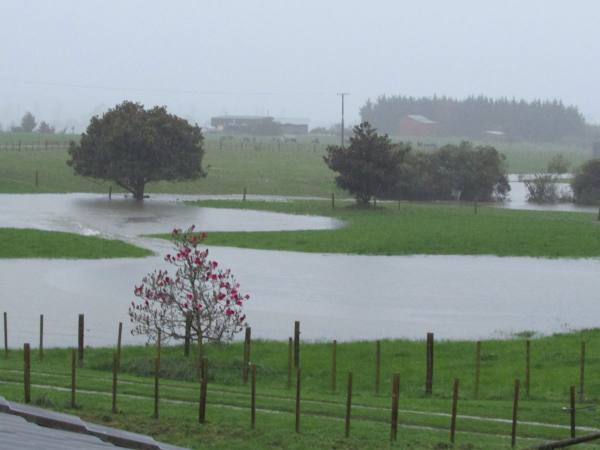 Insurers say they are actively supporting customers impacted by the heavy rain in Nelson, Tasman and Marlborough. Photo Credit: Cherie Chubb.
AMI, State and NZI Insurance say they are actively supporting customers impacted by the heavy rain in Nelson, Tasman and Marlborough last week.
Staff have been made available at the Nelson Community Hub at the Trafalgar Centre to help AMI, State, NZI, NAC, Lumley, Lantern, ASB, Bank of New Zealand, Westpac, and the Co-operative Bank customers with claims and general insurance support.
The hub has been open since 8.30am last Friday .
As of 8am 22 August, 563 claims have been received, with more likely to follow once customers are able to return home to the worst affected areas.
Many customers have reported damage from water ingress and flooding to their homes and property, with reports of flooded vehicles as well.
Assessors have been on the ground since Friday and are making contact with the most impacted customers to review the extent of the damage.
While the Nelson and Tasman regions appear to be the worst affected, the insurers have also received claims in Northland, Auckland, Taranaki, Wellington and Marlborough for landslips and flood damage.
Ensure your insurance is fully comprehensive and up to date because as a rural contractor you don’t know what’s around the corner.

2025 marks 120 years of FMG Advice and Insurance in New Zealand's rural communities.
The Insurance & Financial Services Ombudsman Scheme (IFSO Scheme) received a record number of enquiries in the past year - close to 5,000, a 21% increase on the previous year.
As storms and flooding continue to batter the East Coast, the Insurance & Financial Services Ombudsman has issued advice for those impacted and looking to claim with their insurer.
Climate change presents a wholly different and more persistent challenge for the insurance sector and its customers than the recent pandemic, supply chain issues and inflation.


Federated Farmers has welcomed new rural policies released by ACT, saying they align closely with its own election priorities.

Rural Contractors NZ says proposed changes to land transport rules for agricultural vehicles are a welcome response by the Government to out of date regulations which have seen members hit with huge fines.
Alliance is calling for final applications for its 2027 Graduate Programme, with applications closing on Sunday 25 October.
Decades piloting planes has ensured vet and farmer David Hayes is focused on safety. So, after a serious accident while welding on farm, he is sharing his experience so others can learn from it.
Canterbury milk processor, Synlait Milk has confirmed Leon Fung as its chief executive officer.
OPINION: Making it easier to collect rainwater and use it to grow crops and livestock is a no brainer.