El Niño Spring Outlook: What to Expect in Five NZ Regions
El Niño has officially been with us for several weeks now, and late winter and early September have given us a taste of what is to come.
 increase font size
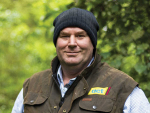
 Colin Bond, NZKGI.
Kiwifruit growers are watchful but remain optimistic as concerns around the potential effects of the El Niño weather pattern this season.
Colin Bond, the chief executive of NZKGI, the organisation that represents kiwifruit growers, says his members are reading in the press about what’s happening in the Northern Hemisphere this year and are starting to get a bit apprehensive about the dry spell that could be coming our way.
He says he’s noticed that the frequency of that conversation is happening more in the last few weeks.
“But our message to growers is to use this time now to prepare, regardless of whether we get a long dry spell or not,” Bond told Rural News.
“It makes sense to ensure that they have tested their irrigation system and are managing their orchards well. Also, making sure that they have good drainage systems in place in case we get very wet weather, but above all, have a plan,” he says.
Bond says they are reminding their growers that all might not be bad with El Niño because a dry summer can be very good for fruit quality. He says with kiwifruit, the timing of weather conditions is everything. Bud break has taken place with red fruit, gold is about to happen and green is still a few weeks away.
Bond says the fruit needs rain from now until about Christmas, which is its main growing.
“But rainfall becomes less of an issue post-Christmas, and a dry summer can lead to high sugar content and better tasting fruit. And when it comes to the post-harvest period, dry conditions can lead to high-quality storing fruit as well,” he says.
Bond says NZKGI doesn’t send out specific weather information to growers because they have their own access to various sources of information and says any information they send out is more along the lines of a general conversation.
He says as orchardists get through bud break, they will be taking a very active interest about how their fruit is sizing and what the moisture horizon looks like.
“We just want to make sure they have tested all their equipment and is ready to go when it’s time to turn the irrigation taps on,” he says.
While the selling season for the 2025/26 crop still has some time to go, the predictions are for another record crop – even topping the previous seasons sale of 225 million trays.
Bond says this is good news for his members and may provide something of a potential buffer if El Niño causes problems.
He says rising costs remain a threat to profitability and notes that with things like fuel, growers are price takers. He says the best they can do is manage their operations as efficiently as possible.
“But you can’t simply cut out things like irrigation completely because it’s a necessity if there’s a dry summer – that is why we encourage people to have good moisture sensors in place. When it comes to fertiliser, it’s about applying just what the plant needs at the right time so you can be effective as possible with your costs and maximise every dollar spent,” he says.
Recently, Earth Science NZ put out a paper suggesting what El Niño might bring in the coming season and they say that its impacts are already starting to be felt. They say peak El Niño conditions are most likely to occur either in late spring or early summer, with the potential for this event to have significant impacts. They add it’s likely to peak as one of the strongest in recent history and say the event is already comparable to that experienced in 1997.
El Niño has officially been with us for several weeks now, and late winter and early September have given us a taste of what is to come.

Zespri has welcomed the entry into force of the India-New Zealand Free Trade Agreement today, calling it a significant milestone that will support long-term growth in one of the world’s largest and fastest-growing consumer markets.
With a very strong El Niño increasing the odds of a dry and windy winegrowing season in New Zealand’s eastern regions, the industry should take measures to prepare.
Hawke's Bay fruit growers are being reminded of the need to prepare for whatever the El Niño weather system may bring in the coming months.
Westpac NZ is calling on farmers and growers to start preparing now for the possibility of a dry summer, as likely El Niño conditions raise the risk of drought across parts of the country.

Farmlands has reported higher operating earnings and a profit before income tax of $4.5 million, up 118.9%, for the year ended 30 June 2026.
AgriZeroNZ has invested a further NZ$17.7 million in methane vaccine developer ArkeaBio and NZ$5.1 million in BioLumic, a New Zealand-founded company that uses ultraviolet light to develop low-emissions pasture..
Good news for Fonterra farmers. The co-op has raised this season’s farmgate milk price mid-point by 25c to $9.75/kgMS.
OPINION: Political parties are getting plenty of advice and recommendations from sector groups as the election approaches.
In farming there are external factors that can influence behaviour of a whole herd, such as a bad weather event, triggering false positive heat detections or health attentions.
For Canterbury dairy farmer Cameron Henderson, supporting Meet the Need comes down to a simple question: how can the success of New Zealand farming benefit more than just those within the industry?