DairyNZ Celebrates Women Leaders on International Women’s Day
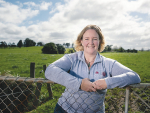
DairyNZ Chair Tracy Brown has seen a lot of change since she first started out in the dairy sector, with around one-third of dairy farmers now women.
 increase font size
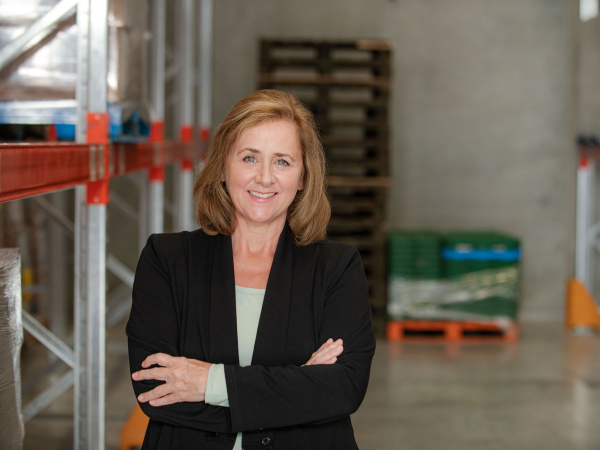 KiwiHarvest founder Deborah Manning.
KiwiHarvest founder Deborah Manning says the food rescue charity is experiencing a significant challenge due to a lack of funding to support what she calls an essential service.
The national food rescue organisation collects surplus and donated food, distributing it across New Zealand to community organisations, and providing food support to those in need.
With branches in Auckland, North Shore, Dunedin, Invercargill, and Queenstown KiwiHarvest services demand for 225 recipient charities and community groups, including welfare groups, marae, city missions, local Salvation Army groups, and schools.
Twelve years ago, Manning was a practising lawyer in Dunedin. She says she enjoyed the law but believed she needed to give back to her community.
“Sitting in a café reading the newspaper one day, I noticed a story about a ‘dumpster diver’ who was eating the edible food supermarkets were throwing away. Next to the article was a story about child poverty and food insecurity and how poor nutrition was impacting the health, wellbeing, and learning capabilities of up to 40% of New Zealanders.
“I wondered if it was possible to divert edible food before disposing of it and use it to feed people – solving two problems with one solution,” she says.
From there, Manning spent a few months researching the concept of ‘food rescue’ before getting in her car to collect and redistribute food to agencies providing food support.
“I established the food rescue and redistribution organization KiwiHarvest, which provides support through its branches at a community level across Aotearoa.”
In 2020, she founded the New Zealand Food Network, which supplies food at a large-scale bulk level nationwide.
“I love the tangible impact that our work has on communities,” she says. “I get to see and hear how our efforts to provide nutritious food positively affect people’s lives. I love engaging with a range of people and groups, from volunteers, food donors and funders to politicians and other like-minded organisations, like NZ Food Waste Champions.”
However, she says the food rescue charity is facing a lack of funding.
“Despite our best wishes, hunger is a harsh reality in our communities, with 20% of Kiwi kids experiencing food insecurity,” says Manning.
“Adding to the problem is the 10% hike in grocery prices in the year ending December 2022, with vegetable prices increasing by 21%.”
Manning says KiwiHarvest and other food rescues are bridging the gap between food that is edible but thrown away or sent to animal feed, and businesses that want to do the right thing but don’t know how to achieve that safely.
“Although the food is donated for free, running refrigerated vehicles, paying our drivers and staff, and maintaining a food-safe environment at all times require funding,” she says.
“Like every registered charity, we need donations, grants and partnerships with philanthropic social purpose investors to survive. Sustainable funding is crucial as we look to fund our operations and plans for innovation and growth in 2024.”
DairyNZ Chair Tracy Brown has seen a lot of change since she first started out in the dairy sector, with around one-third of dairy farmers now women.
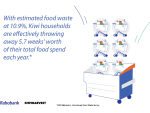
Kiwis are wasting less of their food than they were two years ago, and this has been enough to push New Zealand’s total household food waste bill lower, the 2025 Rabobank KiwiHarvest Food Waste survey has found.
The New Zealand Food Network's (NZFN) fifth birthday celebrations have been boosted by a whopping five tonne meat donation from meat processor ANZCO.
This International Women's Day, there are calls to address a reported gender disparity gap between men women New Zealand's horticulture industry leadership.
New Zealand's wine industry has undergone a significant shift over the past few decades, with increasing numbers of talented women found throughout vineyards and wineries. In celebration of International Women's Day on 8 March, Emma Jenkins MW speaks to five inspiring winemakers who have helped pave the way, thanks to perserverance, passion, and some of New Zealand's best wines.

Federated Farmers has welcomed new rural policies released by ACT, saying they align closely with its own election priorities.

Rural Contractors NZ says proposed changes to land transport rules for agricultural vehicles are a welcome response by the Government to out of date regulations which have seen members hit with huge fines.
Alliance is calling for final applications for its 2027 Graduate Programme, with applications closing on Sunday 25 October.
Decades piloting planes has ensured vet and farmer David Hayes is focused on safety. So, after a serious accident while welding on farm, he is sharing his experience so others can learn from it.
Canterbury milk processor, Synlait Milk has confirmed Leon Fung as its chief executive officer.
OPINION: Making it easier to collect rainwater and use it to grow crops and livestock is a no brainer.