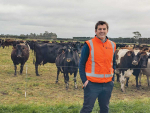
New Dairy Holdings CEO Backs Self-Contained Model
Running a tight and self-contained ship is the key to the success of the country's largest dairy farmer, says Blair Robinson, the new man at the helm of Dairy Holdings.
 increase font size
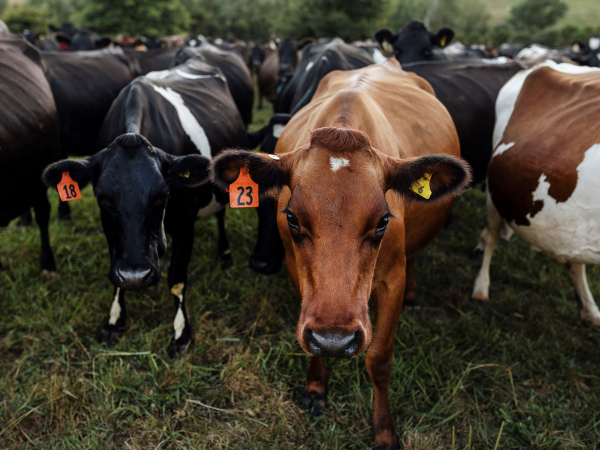 New Zealand ends 2021 with three confirmed cases of M. bovis.
New Zealand is ending 2021 with three active confirmed cases of Mycoplasma bovis.
This compares with 10 last year and 22 in 2019.
A Ministry for Primary Industries (MPI) statement says the national surveillance programmes continue to provide confidence that M. bovis is not widespread in New Zealand.
At the same time, they have played a significant role in finding pockets of infection outside of the known network.
The national beef surveillance programme has tested over 385,500 animals to December 1, 2021. No confirmed infected properties were found through this surveillance.
The bulk tank milk screening conducted over 99,000 tests in 2021 (as the completion of November 2021 testing). This resulted in 179 detect results and three confirmed properties this year.
The average time for properties under legal restrictions has decreased significantly. In 2021, the average time for a property to be under a notice of direction was 38 days.
Running a tight and self-contained ship is the key to the success of the country's largest dairy farmer, says Blair Robinson, the new man at the helm of Dairy Holdings.
OPINION: It's no surprise that "world-class biosecurity" continues to dominate as the top priority for agribusiness leaders, holding the number one spot for the 16th consecutive year in KPMG's latest agribusiness report.
OPINION: Last week marked a major step forward in our work to eradicate Mycoplasma bovis.
Feeding infected milk is high risk for spreading diseases such as M. bovis.
Another milestone has been reached in the fight against Mycoplasma bovis with the compensation assistance service being wound up after helping more than 1300 farmers.



Federated Farmers has welcomed new rural policies released by ACT, saying they align closely with its own election priorities.

Rural Contractors NZ says proposed changes to land transport rules for agricultural vehicles are a welcome response by the Government to out of date regulations which have seen members hit with huge fines.
Alliance is calling for final applications for its 2027 Graduate Programme, with applications closing on Sunday 25 October.
Decades piloting planes has ensured vet and farmer David Hayes is focused on safety. So, after a serious accident while welding on farm, he is sharing his experience so others can learn from it.
Canterbury milk processor, Synlait Milk has confirmed Leon Fung as its chief executive officer.
OPINION: Making it easier to collect rainwater and use it to grow crops and livestock is a no brainer.




