DairyNZ Sets Out Election Priorities for Dairy Farmers
Election years are always a concerning time for farmers, according to DairyNZ chair Tracy Brown.




 increase font size
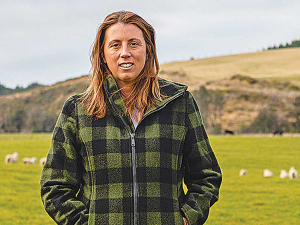
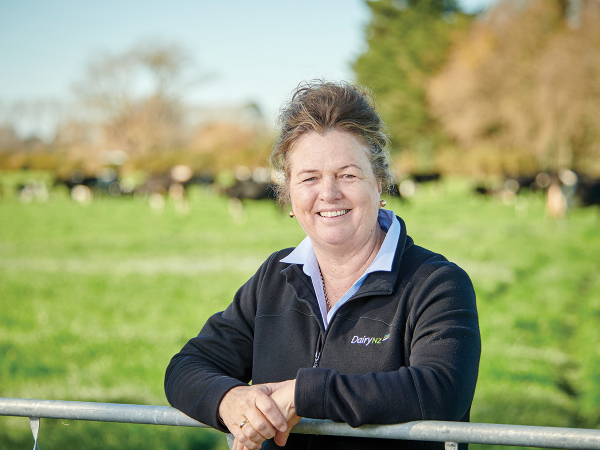 DairyNZ chair Tracy Brown.
OPINION: Last week marked a major step forward in our work to eradicate Mycoplasma bovis.
Spring bulk tank milk testing across the country has found no sign of M. bovis and no new infections have been detected for two years.
This is a significant milestone and one worth celebrating.
We now enter the very final phase of the eradication programme called 'confidence of absence'.
The last seven years has been challenging for farmers who have faced significant disruptions to their business and made huge sacrifices to protect the wider sector.
Without the collective effort of dairy farmers and other sector stakeholders, we wouldn't be where we are today - with a stronger and more resilient biosecurity system.
DairyNZ stood alongside farmers during this time and established the DairyNZ Beef + Lamb New Zealand Compensation Assistance Team (DBCAT) to help farmers prepare claims and speed up the compensation process.
During the past seven years, a total of 3,324 M. bovis claims, with a total value of $290.37 million have been paid in compensation.
1370 farmers with more than 2310 claims valuing $161 million have used the free DBCAT service.
That's something the DairyNZ Board is proud of, and I know gave a lot of farmers peace of mind during a tough time.
While it's great to see us move closer to eradication, we're not there yet.
It's important we keep our foot on the pedal. We need another couple of years of testing to be confident M. bovis has gone from the national herd, and to declare eradication.
The new phase will see some small changes for farmers. Movement controls won't be routinely used when investigating bulk tank milk detect results.
And the cost of the Programme will also continue to drop and so will the levies farmers pay.
Letting our guard down now could undo all the hard work and sacrifices made.
I encourage our farmers to continue supporting this important programme - including by enabling testing on farm if required.
Another way farmers can support this work is by keeping their NAIT records up to date.
It's vital for stopping disease spread so register your farm, register and tag your animals, and record movements off-farm within 48 hours.
M. bovis can also spread through raw milk so if you're moving or receiving raw milk keep clear records.
These are just some simple things farmers can do to keep their farms disease-free.
Achieving a world-first eradication is within reach - and it's all possible because of our farmers.
Joint Effort
The Mycoplasma bovis eradication programme is a 10-year, $870 million collaboration between the Government and industry partners DairyNZ and Beef + Lamb New Zealand.
Allowing the disease to become endemic would have cost $1.3 billion in lost production in the first ten years alone and continued to burden the sector into the future.
The last transmission of M bovis in cattle was on 7 September 2023 and the programme remains on track to achieve eradication by June 2028.
Tracy Brown is chair of DairyNZ.
Election years are always a concerning time for farmers, according to DairyNZ chair Tracy Brown.
Most dairy regions around the country have had a pretty good season so far says Tracy Brown.
OPINION: Dairy farmers know better than anyone that change is constant.
OPINION: New Zealand’s pasture-based dairy system remains one of our greatest strengths. It positions us well during periods of global uncertainty and cost pressures on farm.
A $20 million dairy beef programme will help farmers capture greater value from their animals.


Minister of Conservation Hon Tama Potaka has appointed Susan O'Regan as Chair of the Queen Elizabeth II National Trust (QEII) for a three-year term.
Red meat farmers are welcoming Labour’s plan to review the Emissions Trading Scheme and not to campaign on pricing agricultural emissions.
Where any worker in the kiwifruit industry is mistreated, we expect the authorities to take action.
Mid Canterbury Federated Farmers arable chair, Bevan Lill, said Beef + Lamb NZ data indicated that for the last six years, the average arable return on investment was about 0.8% while inflation ran about 4% - so the average arable farm was going backwards at about 3% a year.
Seed and grain companies share the concerns of arable farmers about the viability of their sector, says Seed and Grain New Zealand chief executive Dr Sarah Clark.
The New Zealand Institute of Forestry (NZIF) says unnecessary changes to New Zealand’s Emissions Trading Scheme (NZ ETS) will seriously erode investor confidence and result in significant reductions in forest planting rates.


OPINION: It seems Canterbury processor Synlait is still in the doldrums.
OPINION: Get offside with New Zealand First leader Winston Peters at your own peril.