Mark Hooper Joins NZPork Board as Independent Director
Rural leader Mark Hooper has been appointed as an independent director to the NZPork board, bringing extensive farming, governance and advocacy experience to the role.
 increase font size
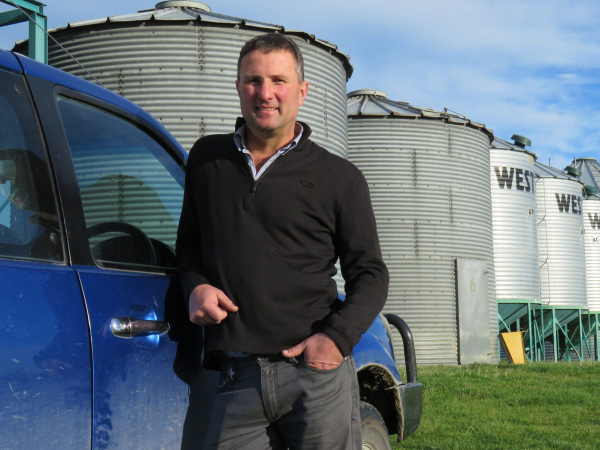 Federated Farmers Arable group chair David Birkett.
The country may have to import maize grain next season unless the issue of having enough gas to dry the local product is resolved.
This is the view of Federated Farmers Arable group chair David Birkett, who says such an option would not be good for farmers or the country.
The issue revolves around the fact that maize grain grown in the North Island and used mainly in the dairy industry must be dried to a moisture level of 14%. All the North Island grain is dried at large special facilities off farm and to do this they use gas which is now in short supply. This is unlike the South Island where growers have their own drying facilities and diesel is used in the drying process.
With uncertainty around the availability of gas and if there is gas its cost, companies who ultimately buy the grain are unwilling to give contracts to farmers to grow the crop because the price is a virtual unknown at this stage.
Birkett says growers are still trying to get contracts, but this is proving difficult.
"North Island growers are particularly apprehensive because last season the grain price collapsed and a lot of growers lost money, so they are nervous about going into a season without a signed contract in front of them. We are not seeing those contracts coming through because of the gas situation so there is a lot of apprehension out there," he says.
Maize grain is used as a supplement in the dairy industry and concerns have been raised that if this is not available what would be the alternatives and at what cost? The issue is seen as big in the dairy industry, but could be a problem for pig and poultry farmers.
Birkett says Federated Farmers has taken a leading role on the issue and has been talking to gas suppliers and grain companies to resolve the issue as quickly as possible. He says they have also been talking to government ministers to make them aware of the serious implicatins of the situation and there is a suggestion that the government may import gas.
"There is a small window to get the seed in the ground and time is running out. If the problem can't be resolved it has serious implications for the farmers and country," he says.
Rural leader Mark Hooper has been appointed as an independent director to the NZPork board, bringing extensive farming, governance and advocacy experience to the role.

The terrible floods that hit the Wairarapa may have subsided, but the danger to farmers still exists, according to local Federated Farmers president Rob Hickson.
Will a stronger, more coordinated voice help rebuild confidence and improve returns in the wool sector?
New Zealand's pest problem has reached crisis point, according to Federated Farmers' second National Pests Survey, which shows farmers are spending more money and effort on control — yet pest numbers keep climbing faster than they were two years ago.
Despite political shenanigans in Wellington, farmers are confident that Resource Management Act (RMA) reforms will get over the line in this term of Parliament.

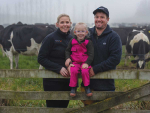
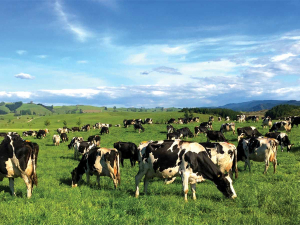
Most dairy regions around the country have had a pretty good season so far says Tracy Brown.
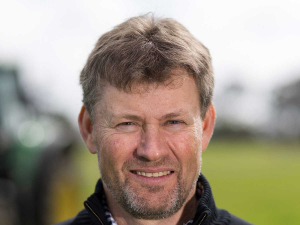
Rural leader Mark Hooper has been appointed as an independent director to the NZPork board, bringing extensive farming, governance and advocacy experience to the role.
Opportunity says its land value tax (LVT) is unlikely to force farmers into a position where asset sales or increased debt are required.
Milk powder prices are keeping farmgate prices up, helping processors offset the dip in milk fat prices.
Climate, nature and animal wellbeing make up Fonterra's refreshed sustainability roadmap released last week.
The Government is introducing a new nationwide rural recycling scheme that will significantly increase the recovery of farm plastics from March next year, Minister for the Environment Nicola Grigg announced today.