Award-winning Māori farm severely damaged by isolated Northland thunderstorm
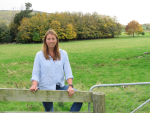
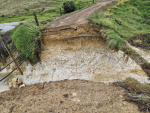
One of the country's top Māori farms has been badly damaged by a severe isolated thunderstorm which hit parts of the east coast of Northland last week.
 increase font size
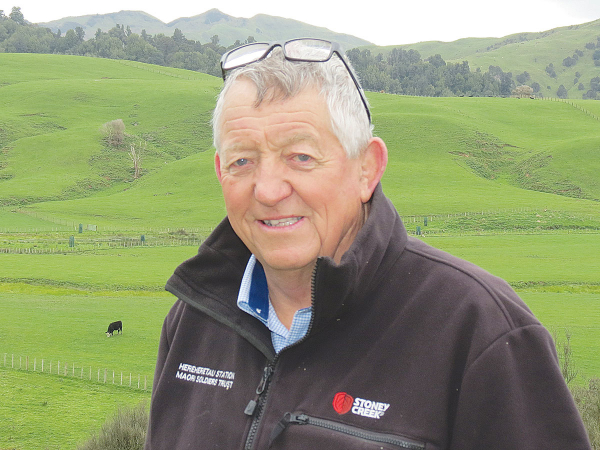 Hereheretau Station farm supervisor Pete McKenzie has seen many changes on the farm during his 23 years on the property.
There was a huge turnout for a field day of the last of the three finalists in the Ahuwhenua Trophy competition to determine the top Māori sheep and beef farm. Around 300 people attended the event at Hereheretau Station, a mainly hill country farm, located 30km north of Wairoa. Peter Burke reports...
Being on quite hard hill country, those attending the field day had to bring their own quad bike or side-by-side, or cadge a ride, to see the farm and the huge developments that have taken place on it.
The weather held out and the farm tracks were in good order for the tour, which unveiled some spectacular scenery.
Hereheretau Station is a 2,000 hectare sheep and beef farming operation and is the major asset of the Māori Soldiers Trust. This was set up in 1917 to help local Māori veterans returning from the First World War. The farm is vested in the Māori Trustee, who is the CEO of Te Tumu Paeroa - meaning it is Māori freehold land as opposed to being owned by a particular trust or incorporation.
The farm runs 25,000 stock units with a 55/45 ration of sheep to beef. In addition to the land it owns, the station also leases some surrounding blocks to add to its scale and deal with the vagaries of the East Coast climate. It also has a policy of renewing about 35 hectares of pasture each year.
Pete McKenzie has been a supervisor on the farm for the past 23 years, implementing and overseeing many changes during that time. He describes Hereheretau as both a breeding and fattening unit running a total of just over 17,000 sheep and 2,000 cattle.
In terms of sheep, there is a terminal flock where a black faced sire is put over the Romney ewes and the aim is to get 4,000 lambs and ewes off to the Affco works at Wairoa in December to de-stock the property for the summer dry.
The station also has a large breeding flock and lambs from this unit are also fattened on the property. They also mate up to 1,000 hoggets each year.
"We try to sell our stock on the high shoulders and one of these high shoulders is pre-Christmas so we try and get rid of 1,600 lambs then," McKenzie told Rural News.
Facial eczema has been a problem on Hereheretau but this has been solved by obtaining Romney rams that are FE tolerant. Flystrike and worms asre also an issue. The wet weather has added to the problems and this has resulted in a slight shortage of grass. McKenzie says he's been putting on a bit of nitrogen to get the grass growing again.
In terms of cattle, Hereheretau runs 700 cows which are a cross between the shorthorn and the Angus.
"The shorthorn has good milking ability and is a very placid animal," McKenzie explains.
They use Simmental as the terminal sire. About a quarter of the steers are taken through to 18 months and sold before Christmas and the same applies to cull heifers.
McKenzie says, on the margins, they buy in 400 steers and 4,000 lambs and these are traded.
One of the country's top Māori farms has been badly damaged by a severe isolated thunderstorm which hit parts of the east coast of Northland last week.
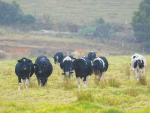
Recently two of New Zealand's top Maori sheep and beef farms held field days as part of the prestigious Ahuwhenua Trophy competition. The two are: Whangaroa Ngaiotonga Trust, northeast of Whangarei, and the proprietors of Tawapata Onenui farm on Mahia Peninsula in southern Hawke's Bay. Reporter Peter Burke attended both field days.
Farms from Northland and northern Hawke's Bay are the finalists in this year's Ahuwhenua Trophy competition for the top Māori sheep and beef farms.
The search is on to find the top Māori sheep and beef farm with entries now open for the 2025 Ahuwhenua Trophy competition.
A dairy farm owned by one of the largest Māori dairying farming operations in the country has won the prestigious Ahuwhenua Trophy for the top Māori dairy farm for 2024.


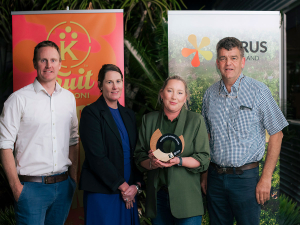
New Zealand's citrus growers were challenged to build their future on the value embedded in their fruit rather than the volume they produce, at Citrus New Zealand's annual gathering in Gisborne on 17 September.
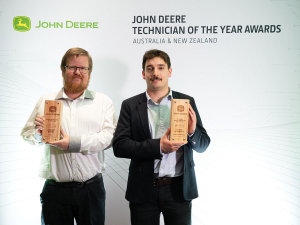
Leading John Deere technicians and apprentices from New Zealand and Australians were recognised at the recent sixth annual JD Technician of the Year Awards, held in Brisbane.
In Dacre, near Invercargill in New Zealand’s South Island, Bruce Dinnington is running a dairy operation unlike any other.
A free online platform aggregating governance vacancies across rural and regional New Zealand has been launched.
Environment Minister Nicola Grigg has announced details of a new rural plastics recycling scheme.
Agricultural drone operators say that a government decision to allow lower-risk drone work without certification won’t lower standards but drive innovation and efficiency.