Record revenue was made in the last quarter, despite the NZD depreciation and average per tonne values being down.
The first quarter of the 2015-16 meat export season concluded on December 31, 2015. Analysis by Beef + Lamb New Zealand's Economic Service shows total red meat (including beef, veal, lamb and mutton) export revenue reached a record high over the quarter.
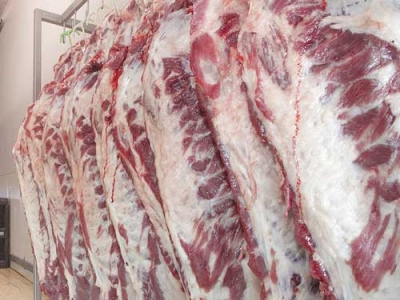
New Zealand beef and veal exports generated $682m in the first quarter of 2015-16, up 14% compared with the same period last season. This reflected a 15% increase in shipments, while the average per tonne value was down 1%.
Exports to North America, the largest destination for New Zealand beef and veal exports, remained unchanged compared with the previous season – at levels 33% higher than the five-year average. This mainly reflected strong demand for beef in the US. However, the average value of exports to North America was down 8.2%, despite a 15% depreciation of the NZD against the USD over the period. The decline reflected a 14% drop in processing beef's average value, which was partly offset by rises in the average value of other cuts.
A strong North Asian appetite for New Zealand beef and veal led to a 55% increase in shipments and a 7.3% rise in the average per tonne value. Beef and veal exports to North Asia totalled 31,000 tonnes from October to December 2015 – nearly equivalent to the five-year average volume exported to North America for the same period.
New Zealand lamb export returns reached a record high of $589m from October to December 2015, up 12% on the same period in 2014. This reflected a 16% increase in shipments, which was partly offset by a 3.6% decline in the average value. The average per tonne value decline occurred despite the weaker NZD.
Demand was particularly strong in the European Union and North Asia, where shipments increased by 24% and 18%, respectively. Strong demand from the European Union led to a slight improvement in the average value (+0.8%) of exports to the region. However, in the case of North Asia, the rise in shipments coincided with a 16% drop in the average value. This highlights the economic slowdown and uncertainties in China.
This downward trend in the average value hides differing performance for chilled and frozen lamb exports. Comparing the first quarter of 2015-16 with the first quarter of 2014-15, the average value of chilled lamb exports improved by 4.5%, while the average value of frozen lamb exports dropped 8.5%. In terms of volume, chilled lamb accounted for 28% of total lamb exports over both the 2014-15 and 2015-16 December quarters.
Mutton export returns reached a record high of $96m in the first quarter of 2015-16. This reflected a rise in shipments, which was partly offset by a decrease in the average value. Dry conditions, particularly in northern parts of the South Island, boosted mutton production and export volumes.
Mutton exports averaged $5,070 per tonne, 6.5% down on the same period in 2014-15. The decrease would have been larger without the depreciation of the NZD. The largest decrease in average value occurred in North Asia, which is the largest market region for New Zealand mutton exports.
NZ farm-gate prices
New Zealand farm-gate prices for lamb and mutton dropped over the first quarter of the season following a normal seasonal decline, however the decline was greater than in previous years and was driven by:
◦ Dry conditions, which led to an increase in New Zealand sheepmeat production over the first quarter of 2015-16 compared with the same quarter in 2014-15;
◦ Weaker than expected markets, particularly for frozen exports, which resulted in lower average export receipts; and
◦ Weaker co-product lamb and sheep skins returns than in the same period last season.
Farmgate prices for cattle remained at near-record high levels, after several months of increases in 2015, but are expected to start easing as US demand for beef slows.
The B+LNZ Economic Service will review its farmgate price forecasts in the 2015-16 mid-season update report to be published in late February.
Please note that all values quoted are FOB (free on board) and in New Zealand dollars and all volumes are in tonnes shipped weight.