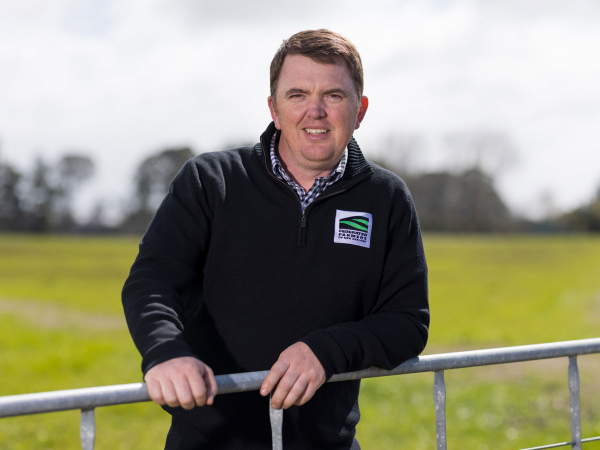
Federated Farmers president Wayne Langford says a review of the highly ambitious methane reduction targets gives farmers confidence.
“Federated Farmers are pleased to see the Government have moved quickly to announce this review to give farmers confidence that what they’re being asked to do is fair.
“Appointing a highly credible and independent panel of scientist is the right approach to take and Federated Farmers look forward to engaging in the process,” says Langford.
His comments come as the Government announced a five-member panel, headed by academic and former Fonterra director Nicola Shadbolt to review the methane reduction targets.
New Zealand’s current legislated methane targets would require an incredibly ambitious 10% reduction in methane by 2030 and a 24 to 47% reduction by 2050. Farmer groups including Federated Farmers have opposed these targets from day one.
The five-member advisory panel will report back to the Government by the end of the year. Other members are Professor David Frame, University of Canterbury, NIWA principle scientist Dr Sara Mikaloff-Fletcher, Dr Laura Revell, University of Canterbury and Professor Bill Collins, University of Reading.
Langford claims the Government’s own modelling showed that achieving a 10% methane reduction by 2030 could see our sheep and beef production reduce by more than 20%.
“That would be a complete disaster for hard working farming families, rural communities, and the wider New Zealand economy.”
Langford says farmers want to see a science-based approach that doesn’t ask farmers to go further than is required to avoid further increases to our warming impact.
“The current targets have never been supported by farmers because everyone felt they weren’t achievable or scientifically robust,” Langford says.