Southerly Winds Hit Taranaki Dairy Pasture Growth
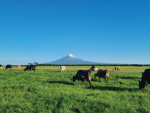
A spate of southerly winds bringing cold temperatures has presented challenges for Taranaki dairy farmers.
 increase font size
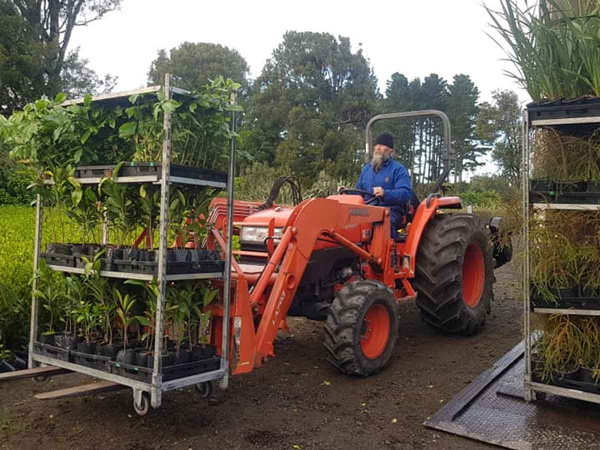
Almost 600,000 native plants were distributed to farmers, last week, as part of Taranaki’s Riparian Management Programme.
This was a record number for the scheme that’s having a huge impact on the region’s water quality and landscape. For 27 years, the Taranaki Regional Council has worked with farmers, developing individual riparian management plans to improve freshwater quality.
Plans recommend fencing off waterways and native planting on riverbanks to keep stock out of streams and reduce overland run-off. As part of the programme, landowners can buy native plants at cost through the council, ordering one to two years in advance so plants can be grown for them.
Over the past few weeks, more than 40 species of native plants were shipped from nurseries around the North Island to depots in Lepperton, Stratford, Pungarehu, Opunake and Hawera ready for the annual pick-up.
Last week, nearly 600,000 native plants were distributed to 1200 landowners, bringing the total to more than 6.2 million plants since the scheme began.
“The planting programme is a huge success story,” says South Taranaki farmer Roger Luscombe. “It’s too often understated what we have achieved here. Taranaki has been doing this voluntarily for a long time.”
Despite being voluntary at the moment, 99.5% of Taranaki dairy farmers have committed to getting a riparian plan, with most implementing the planting and fencing at their own cost.
And it’s working. Taranaki now has some of the cleanest freshwater in New Zealand, with many waterways in the best shape they’ve been in for decades.
The Kapuni Stream runs the length of the Luscombe family farm, along with smaller tributaries. They’ve all been fully fenced for 30 years, when the family also started planting the banks.
Luscombe says it has improved efficiency and farm operations. But most important are the environmental benefits.
The family and its team are committed to “doing their bit” and say the vast majority of Taranaki farmers are too.
“We’re only the caretakers of the land for the next generations. It’s our responsibility to look after the land.”
The planting, together with predator control, has brought added benefits.
“Nature is to the fore again. We’ve got more birdlife than we’ve had in previous years, which is important to the farm ecosystem.”
Stratford farmer Ross Soffe has planted more than 1000 plants each year for the last five or six years.
He says the council has been pro-active in its approach, putting Taranaki well ahead of the rest of the country.
“Farmers don’t often get the credit for what they have done. We’re spending a lot of money in areas to do with the environment,” he says. “We’ve got the job done.”
A spate of southerly winds bringing cold temperatures has presented challenges for Taranaki dairy farmers.
Environment Minister Nicola Grigg has announced details of a new rural plastics recycling scheme.
OPINION: The stats speak for themselves.
The Ballance Farm Environment Awards are coming to the West Coast of the South Island.
There's been widespread support from the primary sector for the Government's announcement on changes to freshwater farm plans that come under the Natural Environment Bill, which is now set to replace the existing RMA.



Alliance is calling for final applications for its 2027 Graduate Programme, with applications closing on Sunday 25 October.
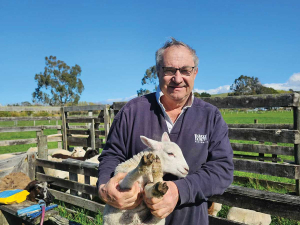
Decades piloting planes has ensured vet and farmer David Hayes is focused on safety. So, after a serious accident while welding on farm, he is sharing his experience so others can learn from it.
Canterbury milk processor, Synlait Milk has confirmed Leon Fung as its chief executive officer.
OPINION: Making it easier to collect rainwater and use it to grow crops and livestock is a no brainer.
As part of its Election 2026 coverage, Rural News asked political parties how they would help pull the arable sector out of the doldrums. Here's what they said:
Farmers are being encouraged to rethink how they manage waste on farm with the launch of ruralwastesorted.co.nz, a new website bringing together practical tips, real farmer experiences and resources.