NZKGI Responds to Migrant Worker Exploitation Reports
Where any worker in the kiwifruit industry is mistreated, we expect the authorities to take action.
 increase font size
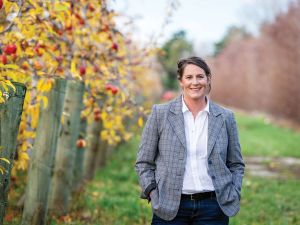
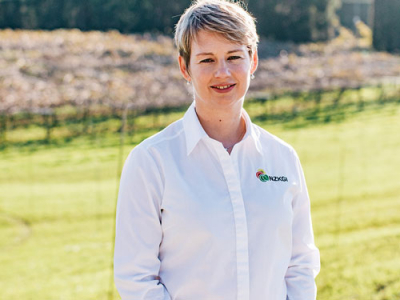 NZKGI chief executive Nikki Johnson.
NZ Kiwifruit Growers (NZKGI) is creating a new role of labour coordinator as it envisages another seasonal labour shortage this year.
In 2018, the Bay of Plenty kiwifruit industry at harvest time had 1200 vacancies it was unable to fill.
The labour coordinator will aim to attract extra workers and increase the coordination of available labour for harvest and winter pruning.
The coordinator will also maintain sustainable labour sources to support the growth of the industry in Bay of Plenty where at least 80% of kiwifruit is grown. New Zealanders will be given priority to work, particularly people from Work and Income.
The labour coordinator role will be funded by the Provincial Growth Fund, the Ministry of Social Development and New Zealand Kiwifruit Growers and is expected to run through until the end of 2020.
“Ensuring a sustainable supply of labour is the kiwifruit industry’s top priority. The growing appetite for our fruit means we need more people to pick, pack and prune,” NZKGI chief executive Nikki Johnson says. “Luckily Bay of Plenty has beautiful beaches and is an attractive area to come to work.”
The kiwifruit industry has also recently set out to attract more pickers and packers to work in Bay of Plenty between April and June.
Its campaign targest backpackers, retirees, students and unemployed; it is sending articles aimed at backpackers to European media. The campaign is supported by kiwifruit industry stakeholders under the BOP Labour Governance Group.
“NZ kiwifruit production will increase from 123 million trays in 2017 to 190 million trays by 2027. To meet this demand the industry will need at least 7000 extra seasonal workers over the next 10 years”, says Johnson.
The increased labour demand stems from industry expansion coupled with low unemployment and a lack of backpackers and international students.
NZKGI is also working to improve the consistency of seasonal work, accommodation, welfare, transport and perceptions of pay rates.
Where any worker in the kiwifruit industry is mistreated, we expect the authorities to take action.

Kiwifruit growers are watchful but remain optimistic as concerns around the potential effects of the El Niño weather pattern this season.
Signs for the 2026-27 kiwifruit crop look good, but there are still some challenges for growers – especially those who produce green kiwifruit.
Reports of severe weather forecast to move over the vast majority of New Zealand’s kiwifruit orchards this weekend will be very concerning for a significant number of growers.
While the recent storms in the upper and eastern part of the North Island have hit a few kiwifruit growers, it is unlikely to have a major impact on the overall industry.



National’s pledge to introduce 19 new national standards shows the party is serious about getting Wellington out of farming, Federated Farmers says.
The National Party’s policies to make it easier to grow fresh vegetables, secure reliable water and energy and simplify farm planning are practical changes that will give growers the confidence to invest, according to Horticulture New Zealand (HortNZ).
Fonterra Co-operative Group chief financial officer Andrew Murray has resigned to take up a role outside the dairy giant.
A major move is about to get underway to improve the quality and viability of dairy beef and cattle in NZ.
Veterinarians say changes to the code of welfare for dairy cattle provides a positive foundation for improved cattle welfare across the country.
Today, 15 October, is the International Day of Rural Women, which recognises rural women’s contribution to farming, communities and the environment.