BVD Control Begins Long Before You See A Problem
Bovine Viral Diarrhoea (BVD) is sometimes viewed as a dairy industry issue, but the reality is that the disease can have serious consequences for beef breeding herds as well.
 increase font size

The Ministry of Primary Industries says there have been no new detections to date of the fruit fly in Auckland and no adverse reaction from trading partners.
It says MPI and AsureQuality have had 85 staff performing various tasks such as monitoring of traps and fruit analysis. Last week a male Queensland fruit fly was found in Avondale, triggering a biosecurity reponse.
Door knocking in the main control zones is completed.
"We have had staff at key events today such as the Wesley Market. We also have teams of people providing information at supermarkets and other fruit and vegetable stores," MPI says.
Fruit fly surveillance and control activities to date include:
• Eighty traps have been set in fruit trees in Zone A – the area up to 200m out from the original fruit fly find. These traps are checked daily.
• A total of three hundred and five traps are set up in fruit trees in Zone B – the area up to 1500m from the original fruit fly find. These traps are checked every three days.
• Ripe fruit from trees in Zone A has been collected for testing for larvae. Testing on samples submitted from the Zone A fruit fly traps in the Controlled Area have shown no sign of further fruit flies or larvae. The Ministry continues a large field effort to ensure that if any of the pest insects are present, they will be detected.
• Language translation of radio advertisements and alert notices will be available shortly for various ethnic communities residing in the Controlled Area.
• Thirty exit signs are in place – these are to notify people leaving the Controlled Area about the restrictions. There are nine entry signs into the Controlled Area.
• One hundred and sixty six bins are place in locations around the Controlled Area to ensure no household has to travel more than approximately 200m to dispose of this waste. People are encouraged to use these bins responsibly – they are not for all household rubbish. Where people have in-sink waste disposals, the use of these is encouraged to get rid of fruit and vegetable waste.
• The fruit collection bin waste is disposed of by incineration or 'deep burial'. A GPS map of bin locations is currently available on the MPI website.
Full information about the Queensland fruit fly is on the MPI website at: www.mpi.govt.nz and follow the fruit fly button.
Bovine Viral Diarrhoea (BVD) is sometimes viewed as a dairy industry issue, but the reality is that the disease can have serious consequences for beef breeding herds as well.

Election years are always a concerning time for farmers, according to DairyNZ chair Tracy Brown.
Testing confirms H5 bird flu in a single northern giant petrel, found dead on a remote Cape Palliser beach in the Wairarapa, says Dr Mary van Andel, the Ministry for Primary Industries' (MPI) Chief Veterinary Officer.
Bovine Viral Diarrhoea (BVD) is sometimes viewed as a dairy industry issue, but the reality is that the disease can have serious consequences for beef breeding herds as well.
Four years since it was first detected in New Zealand, researchers and growers now know much more about management of maize pest fall armyworm (FAW).


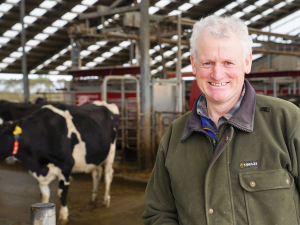
In Dacre, near Invercargill in New Zealand’s South Island, Bruce Dinnington is running a dairy operation unlike any other.

A free online platform aggregating governance vacancies across rural and regional New Zealand has been launched.
Environment Minister Nicola Grigg has announced details of a new rural plastics recycling scheme.
Agricultural drone operators say that a government decision to allow lower-risk drone work without certification won’t lower standards but drive innovation and efficiency.
OPINION: Warning bells are ringing in the arable sector.
Farmgate lamb prices are down by 8%, beef cattle by 4.5% and farm expenditure up by 4.2%.