Election 2026: How Parties Would Lift the Arable Sector
As part of its Election 2026 coverage, Rural News asked political parties how they would help pull the arable sector out of the doldrums. Here's what they said:
 increase font size
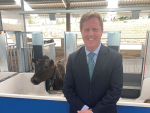
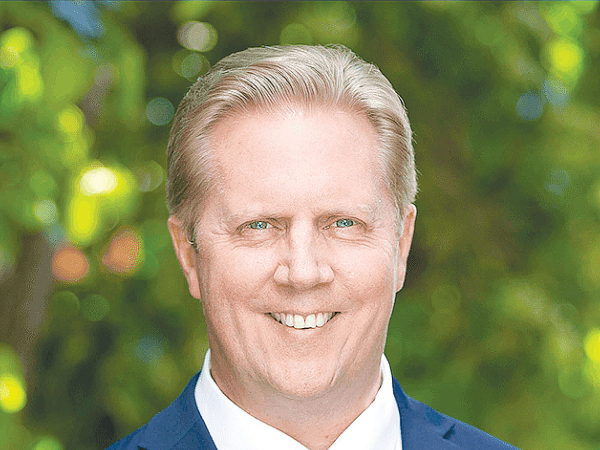 Trade and Investment Minister Todd McClay.
New Zealand exports to the European Union have surged by $3 billion in two years under the New Zealand-European Union Free Trade Agreement.
Trade and Investment Minister Todd McClay says that early implementation of the deal has given Kiwi exporters a critical advantage, with tariff reductions and improved market access accelerating growth.
Exports to the EU hit $8.8 billion in the year to December 2025 - up 29%, or close to $1.9 billion. Two years ago, exports were $5.7 billion.
“On the Agreement’s second anniversary, Kiwi exporters have now chalked up an extra $3 billion in sales," says McClay.
"This growth has significantly exceeded forecasts and expectations and shows what’s possible when we back our exporters and open new doors.
“It means the world is choosing more of the high-quality food, fibre and products our farmers, growers and businesses are known for.”
Some of the strongest gains in the past year include:
Dairy exports rose 58% overall, with butter reaching $276 million and cheese exports increasing fourfold to $51 million.
Meat exports climbed to $1.9 billion, driven by a 50% increase in sheep meat exports.
Horticulture also performed strongly, with fruit and vegetable exports rising 29.3% to $1.36 billion — including $1.2 billion in kiwifruit exports.
Approximately 25% of Kiwi jobs depend on trade.
McClay says the surge in exports flows directly into stronger regional economies, higher incomes and more secure jobs.
“Making full use of the Agreement is vital in a time of global uncertainty and supports New Zealand’s goal of doubling export value within a decade.
“Today we celebrate not only our strengthened trade to the EU, but also the strong relationship we have developed over many years. The EU remains a trusted and important partner for New Zealand.”
Exports have risen by $3 billion in two years, reaching $8.8 billion in 2025.
Growth is driven by dairy, meat, industrial goods and horticulture, supported by tariff reductions under the trade agreement.
Key exports include dairy (especially butter and cheese), meat, kiwifruit, industrial goods and seafood.
The agreement improves market access, reduces tariffs and supports economic growth, jobs and export expansion.
Trade supports around one in four jobs in New Zealand and is a major driver of regional economic activity.
As part of its Election 2026 coverage, Rural News asked political parties how they would help pull the arable sector out of the doldrums. Here's what they said:
Food and fibre exports have returned a billion- dollar bonus to the country.
The Government is backing work on a community-led water storage scheme that could irrigate up to 11,000 more hectares of the Poverty Bay flats, Agriculture Minister Todd McClay says.
New Zealand's red meat and fifth-quarter exports reached $867 million in August, up 23% on the same month last year, as stronger returns lifted earnings across all major markets.
A Labour-led Government won’t be bringing back the controversial freshwater rules of 2020.


AgriZeroNZ has invested a further NZ$17.7 million in methane vaccine developer ArkeaBio and NZ$5.1 million in BioLumic, a New Zealand-founded company that uses ultraviolet light to develop low-emissions pasture..

Good news for Fonterra farmers. The co-op has raised this season’s farmgate milk price mid-point by 25c to $9.75/kgMS.
OPINION: Political parties are getting plenty of advice and recommendations from sector groups as the election approaches.
In farming there are external factors that can influence behaviour of a whole herd, such as a bad weather event, triggering false positive heat detections or health attentions.
For Canterbury dairy farmer Cameron Henderson, supporting Meet the Need comes down to a simple question: how can the success of New Zealand farming benefit more than just those within the industry?
Fonterra board members are in line for a pay rise of around 3%.