Paris Agreement: What Are the Costs and Returns to NZ?
OPINION: We are only weeks from the election, and my vote is looking for a home.
 increase font size
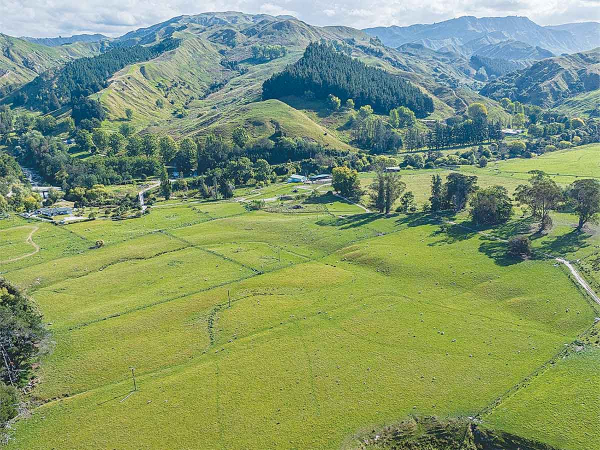 The survey found that 95% of the 1,460 farmers surveyed think that reducing livestock methane won't impact global climate change.
According to a new farmer survey, many farmers are rejecting New Zealand’s current ruminant methane strategy.
The survey - prepared by NZ Farming, Groundswell NZ, and the Methane Science Accord – found that 95% of the 1,460 farmers surveyed think that reducing livestock methane won’t impact global climate change.
Additionally, 94% of farmers surveyed say they believe methane cuts should not be a necessary part of market access and 93% refuse to use methane inhibitors on their animals.
Duncan Humm of NZ Farming says there is growing unease in the sector around the ways in which methane inhibitors impact livestock.
“These interventions go against everything our farming systems stand for,” Humm says.
“How did we get this far down the track without consulting the very people expected to deliver these changes?” he adds.
Meanwhile, Helen Mandeno from the Methane Science Accord says that scientific research suggests that ruminants don’t contribute much to the warming of the planet.
“Professor David Frame has shown that New Zealand’s ruminants might, at worst, contribute four millionths of a degree Celsius warming per year,” Mandeno says. “It would take 250,000 years for that to amount to 1 °C.”
The three groups behind the survey say that despite New Zealand’s farmers being leaders in low-emissions food production, they feel ignored as methane reduction policies are pushed forward.
They say farmers want to know why money has been spent on methane tools without farmer consultation, why co-ops joined the AgriZero NZ public-private partnership without asking stakeholders, and who biotechnology tools like methane inhibitors are for if farmers don’t want them.
“Ruminant methane is a natural part of the carbon cycle – don’t punish farmers and their animals for a crime they didn’t commit,” the organisations say.
OPINION: We are only weeks from the election, and my vote is looking for a home.

Beef+Lamb New Zealand and the Ag Emissions Centre have launched a new research project aimed at helping beef farmers reduce methane emissions without impacting productivity or profitability.
OPINION: Back in April, the Intergovernmental Panel on Climate Change delivered an update that should have triggered an 8.5 magnitude earthquake in the world of climate change policy.
Centre right parties are backing policy positions pushed by three farmer lobby groups ahead of the general election.
Three farmer lobby groups are applying the blowtorch to political parties on key issues facing the primary sector ahead of the general elections.



Farmer-owned fertiliser company, Ballance Agri Nutrients is welcoming National’s plan to negotiate security agreements with key supplier countries to protect New Zealand-bound products from export restrictions and greater supply chain certainty.

Carrfields has announced the appointment of Stu Hall to the newly created role of chief operating officer, Carrfields Ltd, reflecting the continued growth of their agribusinesses and the need to ensure the company has the leadership capacity and support in place as it pursues the emerging opportunities ahead.
New Zealand's role is not to compete with Indian growers, according to NZ Apples and Pears.
The potato industry is celebrating the success of two rising stars - James Blair, the 2026 Young Grower of the Year and runner-up and innovation award winner, Amber Davy.
Twenty-eight emerging leaders from across the horticulture sector spent two days last month learning valuable skills and connecting with industry experts.
There are five entrants in this year’s Young Horticulturist of the Year, competing in a series of technical, practical, business and leadership challenges.