Pāmu Silver Stabilizer Dairy Beef Genetics Open to Farmers
A major move is about to get underway to improve the quality and viability of dairy beef and cattle in NZ.
 increase font size
 Pāmu chief executive Steven Carden.
State farmer Pāmu (Landcorp Farming Limited) has made a net profit after tax of $68 million for the half-year ended December 31, 2019.
The result is $39m better than the previous year’s net profit of $29m.
However, Pamu says the coronavirus could throw a spanner in the works in the second half.
Pāmu chief executive Steven Carden says the result was pleasing but cautioned that the second half was throwing up some uncertainty related to the impact of the coronavirus and climate conditions.
“We are pleased with our half-year result, the result of positive trading conditions and a focus on operating performance at Pāmu.
“Our EBITDAR (earnings before interest, tax, depreciation, amortisation and revaluations) for the half-year, which is our preferred measure of performance, saw a gain of $22 million compared to a loss of $3 million in the half-year to December 2018, which is very solid,” he says.
Pāmu is currently forecasting a full-year EBITDAR of between $73m and $78m however the impact of the Coronavirus outbreak and very dry climatic conditions in the north, may see it revise this as the second half of the financial year progresses.
The company has diversified its income sources in recent years and will continue to implement programs that mitigate the impact of climate change and biosecurity risks, says Carden.
“Our strategy has focused on increasing the resilience of our pastoral farming operations through farm system innovation. We have also moved to shift to land uses tied to forestry and horticulture. This strategy is helping to both improve profitability and lower the environmental impact of our operations.
“As important as our financial result has been the progress made in improving our health and safety performance, lowering our environmental impact through a range of initiatives, and improving the conditions of the animals in our care,” Carden said.
A major move is about to get underway to improve the quality and viability of dairy beef and cattle in NZ.
High country stations, mixed sheep and beef farms, Māori-owned farms, corporates and family operations are among the nine commercial farms taking part in the Livestock Innovation Farming Transformation programme, known as LIFT.
Pāmu has welcomed Taranaki student Paige Burston as its newest First Foundation Scholar, supporting her journey towards a career in agriculture and animal science.
State farmer Pāmu is bracing for a $30 million hit from soaring farm input costs this financial year.
Pāmu has released its FY26 Integrated Annual Report, reporting a Net Operating Profit of $113 million, more than double the $49 million recorded in FY25.


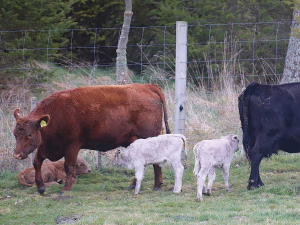
A major move is about to get underway to improve the quality and viability of dairy beef and cattle in NZ.
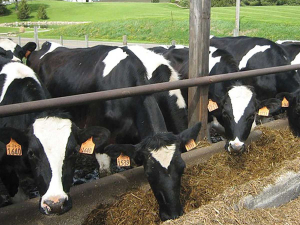
Veterinarians say changes to the code of welfare for dairy cattle provides a positive foundation for improved cattle welfare across the country.
Today, 15 October, is the International Day of Rural Women, which recognises rural women’s contribution to farming, communities and the environment.
Global dairy giant Lactalis has integrated its Australian operations with the Mainland Dairy consumer business it acquired from Fonterra earlier this year.
After almost two decades of sharemilking, saving and building equity, Aaron and Marcia Flay this year realised their long-held dream of settling on their first dairy farm.
Good medium to long term prospects for NZ beef, especially in the US, has heighted the focus on various initiatives to capitalise on this situation.