Catch the Rain: B+LNZ Trials Boost Soil Infiltration
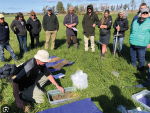
Beef + Lamb NZ funded research has shown that some simple changes to pasture management could help farmers make better use of rainfall and build resilience before dry conditions hit.
 increase font size
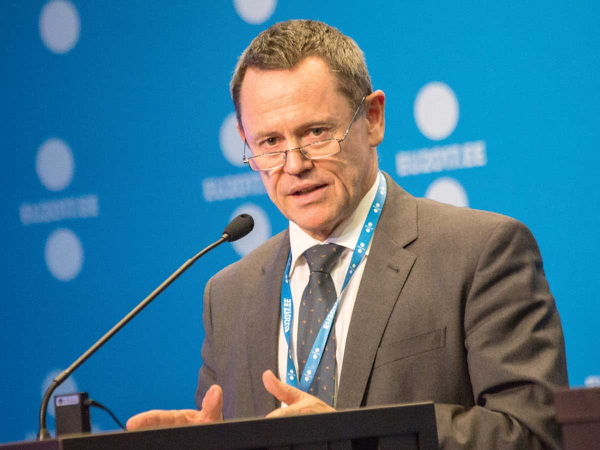 Simon Upton
New Zealand's Emissions Trading Scheme (NZ ETS) encourages afforestation while not achieving climate goals, says a new report released by the Parliamentary Commissioner for the Environment, Simon Upton.
The report, Adrift: What future does the Emissions Trading Scheme have? says the NZ ETS is not fit for purpose. It says it will not achieve climate goals, nor yield carbon prices high enough to significantly reduce emissions.
“Instead, it will continue to drive the planting of new forests to offset emissions, leading to a significantly larger forestry estate over time.
“That forestry estate will need to be maintained by future generations in the face of increasing risks from fire, disease and extreme weather.”
The report was tabled in Parliament last Wednesday.
Upton said the role of forestry in particular needs a fundamental rethink if New Zealand was to have any hope of achieving its climate commitments and reducing the risks that the inclusion of forestry in the NZ ETS has created.
Beef + Lamb New Zealand says the report “supports many of B+LNZ’s positions and will encourage important discussions”.
Chair Kate Acland says B+LNZ has been calling for changes to the ETS since 2019.
“We have continually raised concerns about the unintended consequences of the current ETS settings, particularly the amount of productive sheep and beef farmland being converted into carbon forests.
“Independent research we’ve commissioned shows the total extent of whole sheep and beef farms sold for afforestation since the beginning of 2017 is now 330,000 hectares. The PCE’s report shows the trees planted on that land will break the ETS from the 2030s, when there will be an oversupply of sequestration.”
But the immediate past president of The Institute of Forestry, James Treadwell, said it was carbon emitters, not forestry, that the commissioner should look to take real action, and reduce their emissions.
“At the moment, the only thing that is helping New Zealand meet its commitments internationally is forestry.
“Whilst we’d like that not to be the case, we have to continue doing that or else every single New Zealander will be paying for it in 2030 and 2050 because we’re going to have to buy units from overseas.”
Treadwell said constant changes to the scheme – for example the national annual cap of 15,000ha for new exotic forestry on class 6 farmland imposed last year – made it hard for foresters to make market decisions and do their part to reduce emissions.
“Is the ETS working wonderfully? No it’s not, but it’s working okay,” said Treadwell.
“But emitters do have to start reducing their emissions, that’s the end goal.
“We are the only people who are actually doing anything about emissions at the moment, to be frank.”
Beef + Lamb NZ funded research has shown that some simple changes to pasture management could help farmers make better use of rainfall and build resilience before dry conditions hit.

The Royal New Zealand College of General Practitioners (the College) and Hauora Taiwhenua Rural Health Network are calling for investment in a proposed new training pathway for rural GPs, warning that many rural practices are struggling to recruit while a large share of the existing workforce nears retirement.
Ravensdown shareholders have elected Jane Montgomery and Kate Acland to the Ravensdown Board for three-year terms, following a closely contested director election.
Beef + Lamb New Zealand (B+LNZ) says it welcomes the passage of the Natural Environment Bill and Planning Bill, calling the bills a positive step for sheep and beef farmers.
If you're thinking about investing in ways to push feed forward, this is the year to do it.


National’s pledge to introduce 19 new national standards shows the party is serious about getting Wellington out of farming, Federated Farmers says.
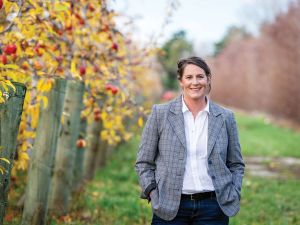
The National Party’s policies to make it easier to grow fresh vegetables, secure reliable water and energy and simplify farm planning are practical changes that will give growers the confidence to invest, according to Horticulture New Zealand (HortNZ).
Fonterra Co-operative Group chief financial officer Andrew Murray has resigned to take up a role outside the dairy giant.
A major move is about to get underway to improve the quality and viability of dairy beef and cattle in NZ.
Veterinarians say changes to the code of welfare for dairy cattle provides a positive foundation for improved cattle welfare across the country.
Today, 15 October, is the International Day of Rural Women, which recognises rural women’s contribution to farming, communities and the environment.