Synlait CEO Resignation Highlights Deeper Challenges Facing Dairy Processor
A revolving door of chief executives at milk processor Synlait is a warning sign, says Lincon University senior lecturer in agribusiness Nic Lees.
 increase font size
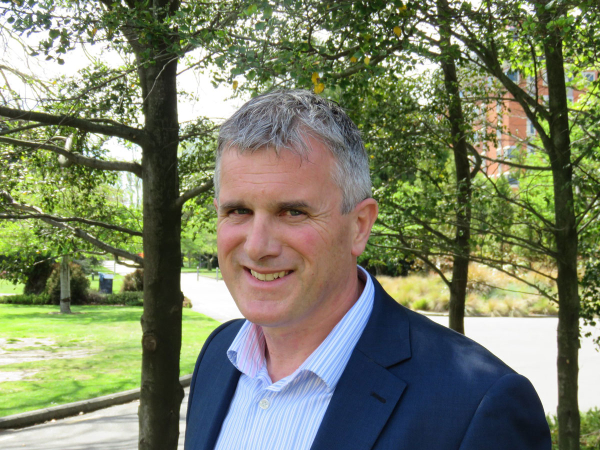 John Penno
Troubled milk processor Synlait’s co-founder John Penno has stepped down from the board.
The departure of Penno, a board-appointed director, ends a 25-year leadership role within the listed company, which is struggling to reduce debt and sell off under-utilised processing capability. Synlait’s share price has dropped to 50c, valuing the company at just over $100 million.
Synlait has also appointed a new chairman, George Adams, who joined the board in March this year. Acting chair Paul McGilvary will resume his role as an independent director.
In a statement to NZX, Synlait says Penno’s resignation is effective immediately.
Penno says he supports Adam’s appointment as chair and “remain committed to Synlait’s future as a co-founder and shareholder”.
“Synlait has come a long way since we co-founded the company buying a farm in Te Pirita near Dunsandel almost 25 years ago. We now take world-class nutrition products to the world and have played a disruptive role in the growth of the New Zealand dairy industry. I am proud of what we have achieved. However, now is the right time for me to leave my leadership role with Synlait.”
McGilvary says Penno has lived and breathed Synlait for almost 25 years.
“He leaves a strong legacy, which has formed the basis of Synlait’s entrepreneurial nature and spirit to do milk differently for a healthier world. On behalf of the Board, our staff, our farmers, and all stakeholders I would like to publicly thank John for his commitment and enormous contribution to Synlait.”
Penno co-founded Synlait and was managing director and CEO for 12 years. In 2018, he became a board appointed director, during which time he was temporarily appointed acting CEO and then chair.
A revolving door of chief executives at milk processor Synlait is a warning sign, says Lincon University senior lecturer in agribusiness Nic Lees.

Troubled milk processor Synlait has lost its third chief executive in five years.
Two major acquisitions in the New Zealand dairy sector were completed this week.
OPINION: Synlait's latest half-year result reveals a serious problem at the heart of the business: its core operations are no longer bringing in enough revenue to cover the cost of production.
OPINION: Synlait's woes show no sign of ending anytime soon.
New Zealand dairy farmers are set to be the first in the world to receive access to a new digital physical milk pricing tool that enables them to fix the price for their physical milk.
State farmer Pāmu is opening its farm gates this summer in an effort to give the rural sector the opportunity to see how large-scale, multi-system farming is delivering productivity and profitability across New Zealand.
A five-year study has found that the cost of reducing emissions without technology may be significant and unsustainable for Northland dairy farmers.
DairyNZ says Waikato farmers need certainty on Plan Change 1, but they say that certainty must be matched with practical, workable rules and a clear transition that doesn't get ahead of the new resource management system currently under review.
While the Government has moved quickly to make commercial hauliers' lot easier during the current fuel crisis, they appear to be stuck in the creep box when it comes to the agricultural industry.
Waikato farmers have been told that the Government’s new planning system legislation and the region’s Plan Change 1 (PC1) “won’t mesh together very well”.