What Would Synlait Be Worth to Fonterra or a2 Milk?
Speculation of a possible joint move by Fonterra and a2 Milk to buy Synlait raises a much bigger strategic question, says agribusiness expert Dr Nic Lees.
 increase font size
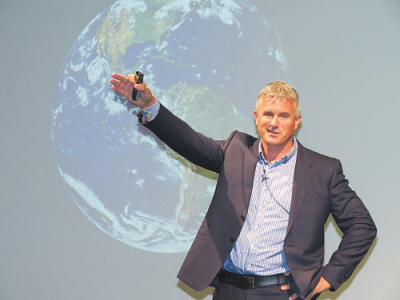 Former Synlait boss John Penno.
Plant-based proteins pose a threat to the New Zealand dairy industry’s ingredients strategy, says Synlait founder John Penno.
Speaking at the Australasian Dairy Science Symposium in Palmerston North, Penno told the audience of 200 that it’s much easier for a manufacturer to substitute traditional dairy ingredients with plant-based ones because they will generally cost less, and these are unlikely to attract much consumer resistance.
Penno says whole milks will much better head off consumer resistance against plant-based substitutes. But he acknowledges that many young people – especially women in their late teens and early 20s – are being turned off dairy products.
“I’m not saying this is widespread yet, because bovine dairy still dominates over plant. But it is important to look at where the change is [occurring]: in young people who are well informed and concerned about the impacts of large-animal production, climate change, water and animal welfare issues. Those concerns are driving their behaviour as consumers.”
Penno says young people are also influencing elderly people, especially those they are caring for. He noted research by a company that went into private homes to talk about people’s dairy preferences. An older woman said she always bought bovine milk, but the researcher looked in the refrigerator and found plant-based milks bought by the woman’s daughter.
“The changes we’re seeing now are just the start of a trend by some people to plant based milks.”
Penno says the NZ dairy industry has too long been wedded to the commodity business – collecting milk in tankers and drying it. Meanwhile farmers have regarded dairy companies as their customers, rather than looking outwards to the consumers.
Penno acknowledges the dairy industry is now doing a better job by developing new products to meet the needs of high-end consumers. He says consumers in Asia in particular are well connected via technology and will seek products which offer the best health options for their families.
The challenge for the whole industry now is to change, Penno says.
“I firmly believe we have let farmers down because we have focused on efficiency without looking at ways farmers can increase the value of their milk.
“If they increase the value of the milk, they will be able to differentiate it and make that milk more valuable to sell to a consumer somewhere in the world. A2 is an example of this. There is a set of consumers who can see the value in some of these new products and are prepared to pay large premiums for it.”
Smaller, less intensive
Looking to the future, Penno believes the dairy industry will be smaller and less intensive.
He says the point has been reached where any further expansion of dairy will have a detrimental effect on the environment.
“People say technology will solve many of the environmental problems facing the dairy industry, but this is some way distant and may have a limited impact.”
A smaller dairy industry will not be a bad thing, he says.
“In fact, I am quite excited about it because it will get people focused on value. For example, in Ireland, farmers and processors long ago were frustrated about living under quotas and watching the NZ dairy industry growing,” he says.
“But if you add up the total value created in Irish dairy over that time, they have done better than us. This is because while they couldn’t invest on farm they invested in other things, thought smartly and created impressive businesses from which farmers and the whole country benefited.”
Penno points to the Irish butter brand Kerrygold that is now the number-two brand in the US. He says if restrictions were put on milk flows in NZ and farmers were encouraged to produce higher value milk, they would also benefit financially. He says there needs to be greater focus on this and creating linkages through supply chains to the world’s best consumers.
Speculation of a possible joint move by Fonterra and a2 Milk to buy Synlait raises a much bigger strategic question, says agribusiness expert Dr Nic Lees.

A revolving door of chief executives at milk processor Synlait is a warning sign, says Lincon University senior lecturer in agribusiness Nic Lees.
Troubled milk processor Synlait has lost its third chief executive in five years.
Two major acquisitions in the New Zealand dairy sector were completed this week.
OPINION: Synlait's latest half-year result reveals a serious problem at the heart of the business: its core operations are no longer bringing in enough revenue to cover the cost of production.

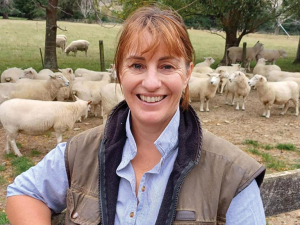
B+LNZ's Wormwise veterinarian Mary Bowron has won the Best Sheep and Beef Vet of the Year Award in recognition of her outstanding contribution to New Zealand’s sheep and beef sector.
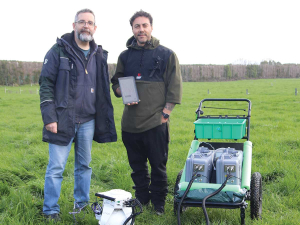
Researchers at Massey University are using a special piece of scientific equipment to improve the measurement of greenhouse gas emissions from pasture soils.
More signs of a booming kiwifruit sector.
OPINION: David Seymour and James Meager's plan to make it easier for farmers and orchardists to operate drones can best be described a 'courageous' move.
New Zealand wool is reaching new heights as air filtration companies move away from synthetic products to biodegradable alternatives.
Opuha Dam's ability to protect South Canterbury communities from major flooding has taken a significant step forward, with Opuha Water Limited (OWL) successfully commissioning a new outlet valve capable of releasing record volumes of water from the dam ahead of a weather event.