Ravensdown Elects Montgomery, Acland to Board
Ravensdown shareholders have elected Jane Montgomery and Kate Acland to the Ravensdown Board for three-year terms, following a closely contested director election.
 increase font size
 SFF chairman Rob Hewett with Ravensdown director and Dargaville dairy farmer Kate Alexander at the NZ Co-op business leaders forum in Auckland.
The red meat sector is too commodity-focused and must move further up the value chain, says Silver Fern Farms chairman Rob Hewett.
He told the recent NZ Co-op business leaders’ forum in Auckland that unless the industry moves away from commodities it risks being squashed by chicken and pork.
“Chicken and pork are cheap commodity items that have got cheaper per kilo over the last 20 to 30 years,” he says.
“The days of ‘winner, winner – chicken dinner’, when there was a special occasion for a chicken meal, are long gone; they are now our competitors.”
Hewett says a Barcelona housewife going down a supermarket aisle is no longer wondering whether it will be lamb chops or roast for dinner, but whether she will buy chicken or pork or something else for the kids tonight.
To compete in that sector red meat companies need to be “ruthlessly efficient”.
“To drive costs out of your business you’ve got to be right on top of your yields, be relentless about it and do it every day. The industry in NZ is good at that but there’s plenty of opportunity to improve.”
For SFF, 80% of its business fits into the commodity sector and Hewett concedes it can never get out of some products. “It’s hard to add more value to pelts and hides, other than having a pelt or a hide.”
Chilled products make up 15% of SFF’s business; they boost gross profit by 20-25%. Moving from chilled to value added products adds a further 25% to profit margins.
Hewett says SFF hopes to have 10% of total sales in value added by 2020 (this is now 5%).
Everything starts with the consumer for SFF: understanding what the consumer wants and then working that back to what the farmer does inside the farmgate is critical to extracting value.
“For too long the industry has been focused on product kill and then worry about selling it later on,” Hewett says.
Ravensdown shareholders have elected Jane Montgomery and Kate Acland to the Ravensdown Board for three-year terms, following a closely contested director election.
OPINION: It appears to be difficult for people who haven’t tried to run a business to understand the difference between assets and cash.
OPINION: In the 1980s, concern was expressed in West Germany about the falling birth rate. Some simple analysis was performed by Professor Helmut Sies, physician and biochemist at Dusseldorf University. His letter ‘A new parameter for sex education’ was published in Nature in 1988:
When it comes to annual rebates, it's been a long time between drinks for Ravensdown shareholders.
Ravensdown has reported a net profit before tax and rebate of $50.1 million for the year ended 31 May 2026.

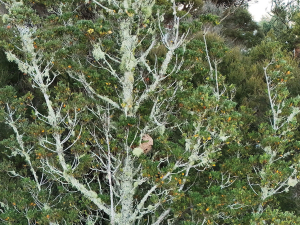
Will drones be the answer to tackling the problem of wasp and hornet nests high up in trees and other inaccessible places?
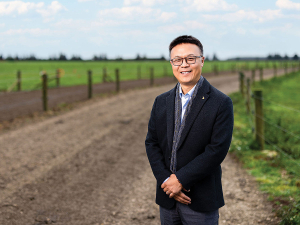
Canterbury milk processor Synlait has come through tough times and is now ready to scale up from a stable base, says its newly confirmed CEO Leon Fung.
NZPork says a ham made in New Zealand is not necessarily made from New Zealand pork.
Rural Contractors NZ says proposed changes to land transport rules for agricultural vehicles are a welcome response by the Government to out-of-date regulations which have seen members hit with huge fines.
With New Zealand’s greenhouse gas emissions in the spotlight, Auckland scientist Nathan Balasingham says there’s a better way to tackle the problem than shrinking cow numbers or fertiliser usage.
Massey University vice chancellor Pierre Venter says his institute is moving from a period of austerity into a growth phase, based on their new strategy.