NZKGI Responds to Migrant Worker Exploitation Reports
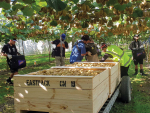
Where any worker in the kiwifruit industry is mistreated, we expect the authorities to take action.
 increase font size
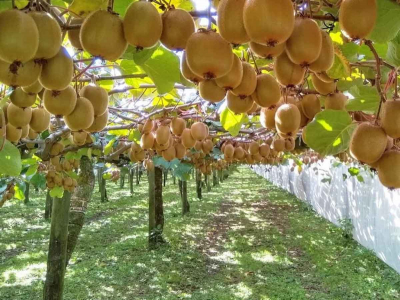 Kiwifruit prices rose 32% in December.
If you think you paid too much for kiwifruit last Christmas, you aren’t wrong!
According to Stats NZ, kiwifruit achieved its highest price ever in December 2019.
“Kiwifruit prices rose 32% in December to a weighted average price of $8.27/kg, an all-time high,” acting consumer prices manager James Griffin said.
This compares with $4.24 in December last year.
The price rises for kiwifruit contributed to a 2.1% increase in overall fruit and vegetable prices in December.
Seasonal fruit and vegetables were also up.
Potatoes, apples, and onions were the main contributors to the rise in fruit and vegetable prices between November and December.
The average prices/kg in December 2019 were:
• potatoes – up 18% to $2.13
• apples – up 16% to $3.80
• onions – up 8.9% to $2.38
Price rises for potatoes, apples, and onions are typical in December. These were partly offset by nectarine prices (down 24%) and lettuce prices (down 18%).
Where any worker in the kiwifruit industry is mistreated, we expect the authorities to take action.
More signs of a booming kiwifruit sector.
After delivering a strong financial year, rural trader PGG Wrightson says the coming months will depend on customer confidence and weather.
The apple sector is working with the Government to unlock access to two key markets that could bring millions in revenue for apple growers.
New Zealand growers have always adapted to changing conditions, but one challenge is steadily gaining ground across the horticulture sector: resistance.


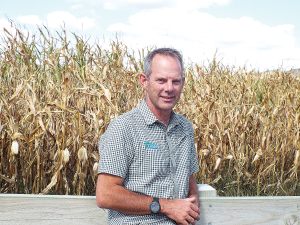
Surprised, humbled and quite thrilled. That’s the reaction of James Allen, one of the founding partners and now chief executive of AgFirst, on being made a life member of the Institute of Rural Professionals.

It was billed as a chance for all the political parties to woo the rural vote, but question marks hang over just how effective this was.
Minister of Conservation Hon Tama Potaka has appointed Susan O'Regan as Chair of the Queen Elizabeth II National Trust (QEII) for a three-year term.
Red meat farmers are welcoming Labour’s plan to review the Emissions Trading Scheme and not to campaign on pricing agricultural emissions.
Where any worker in the kiwifruit industry is mistreated, we expect the authorities to take action.
Mid Canterbury Federated Farmers arable chair, Bevan Lill, said Beef + Lamb NZ data indicated that for the last six years, the average arable return on investment was about 0.8% while inflation ran about 4% - so the average arable farm was going backwards at about 3% a year.