Fonterra Elections 2026: Voting Opens Tuesday 20 October
Fonterra shareholders can begin voting on Tuesday 20 October in the 2026 Board of Directors’ election, a Co-operative Council election in one Ward, and seven Annual Meeting resolutions.
 increase font size
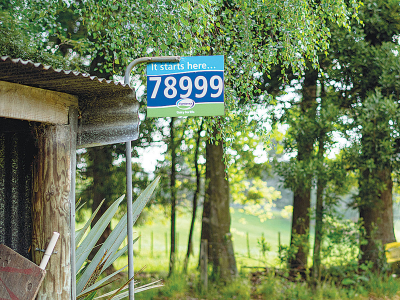
Farmers who supply high quality and safe milk to Fonterra will now be recognised by the co-op.
Its new programme The Cooperative Difference will award farmers plaques, certificates and publicity in the co-op’s publications.
However, it isn’t offering extra payments for top quality milk.
Fonterra is also signalling a tougher stance on farmers who persistently fail to meet minimum standards of sustainability.
The co-op says through the new programme it plans to become more sustainable in five key areas: environment, animals, milk, people and communities, and co-op and prosperity.
The new initiative stems from strategy, now being developed by the board and management, that will put sustainability at the heart of everything the co-op does, empowering it to maximise its New Zealand heritage and uniqueness and remain globally competitive.
Full details of The Cooperative Difference programme will be announced at the MyConnect conference in Dunedin next month.
Fonterra cooperative affairs managing director Mike Cronin says sustainability for the co-op is about more than the environment.
“It’s about looking after our people, caring for animals, adapting to changing customer and consumer expectations, and respecting the communities and land where we live and work.
“We are proud of the global reputation Fonterra farmers have for producing high quality milk. Farmers have made tremendous progress onfarm to date and The Co-operative Difference will help us take that good work to the next level so we can continue to create goodness for generations to come.”
For milk suppliers, a clearer edition of the co-op’s Terms of Supply and Farmers’ Handbook will be delivered in time for the 2019-20 season, outlining the minimum requirements onfarm.
“We will streamline processes for managing non-compliance and ensure farmers are adequately supported in minor non-compliance issues,” the co-op says.
The existing demerit scheme for milk quality issues, the liquidated damages regime and a number of issue-specific consequences for failing to meet required standards will remain in place.
“The co-op will take a firmer line with [farmers who] persistently fail to meet minimum standards, ultimately suspending collection when justified,” it says.
Cronin says consumers and customers increasingly want to know that their food choices support a sustainable future.
“How we farm and make our products needs to reflect these aspirations so we can remain a globally competitive NZ cooperative,” he said.
“Our cooperative’s strong dairy heritage and pasture-based system separates us from the pack, but we must continue to earn our customers’ and consumers’ trust and loyalty,” says Cronin.
Making a difference
The Cooperative Difference will support Fonterra’s new strategy by:
- Recognising farmers who go beyond the minimum requirements to supply high-quality milk, care for their animals, protect the environment, support their people and community, and engage in their co-operative
- Helping other farmers follow suit by making existing onfarm requirements easier to understand and by providing tailored, industry-leading support services to those who want to improve
- Providing more information and advance notice to farmers about the co-op’s aspirations so they can plan and progress towards shared ambitions
- Streamlining reporting and auditing to save farmers time and energy, and help the co-op protect its market position, strengthen its sustainability claims and drive demand for products that customers and consumers value most
- Supporting farmers wanting to improve, while taking a firmer line with those who persistently fail to meet minimum standards, and exercising our rights to suspend collection.
Fonterra shareholders can begin voting on Tuesday 20 October in the 2026 Board of Directors’ election, a Co-operative Council election in one Ward, and seven Annual Meeting resolutions.

Fonterra Co-operative Group chief financial officer Andrew Murray has resigned to take up a role outside the dairy giant.
Four candidates have been confirmed for two director positions on Fonterra’s board.
A record farmgate milk price and strong global demand is laying the foundation for continued growth of organic dairy farming in New Zealand.
Waikato milk processor Tatua has again declared a record milk payout to farmer shareholders, leaving other processors in the dust.


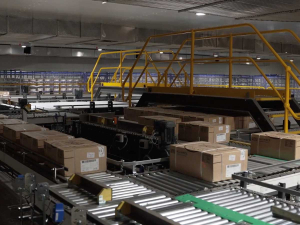
Alliance is calling for final applications for its 2027 Graduate Programme, with applications closing on Sunday 25 October.
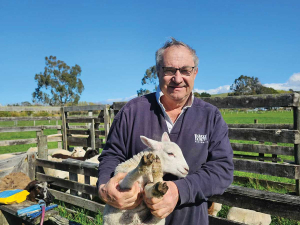
Decades piloting planes has ensured vet and farmer David Hayes is focused on safety. So, after a serious accident while welding on farm, he is sharing his experience so others can learn from it.
Canterbury milk processor, Synlait Milk has confirmed Leon Fung as its chief executive officer.
OPINION: Making it easier to collect rainwater and use it to grow crops and livestock is a no brainer.
As part of its Election 2026 coverage, Rural News asked political parties how they would help pull the arable sector out of the doldrums. Here's what they said:
Farmers are being encouraged to rethink how they manage waste on farm with the launch of ruralwastesorted.co.nz, a new website bringing together practical tips, real farmer experiences and resources.