BVD Control Begins Long Before You See A Problem
Bovine Viral Diarrhoea (BVD) is sometimes viewed as a dairy industry issue, but the reality is that the disease can have serious consequences for beef breeding herds as well.
 increase font size
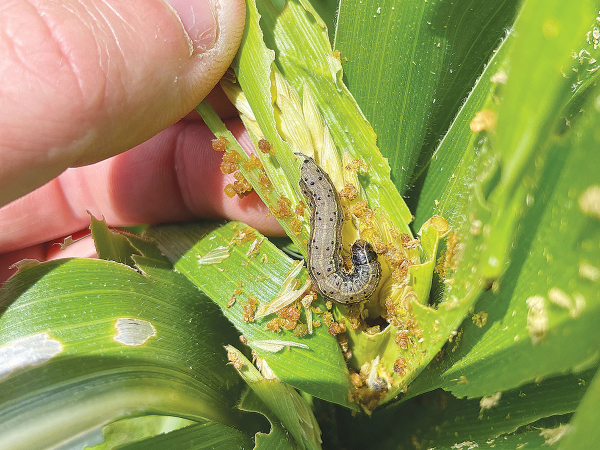 Second generation fall armyworm (FAW) have already been observed in Northland.
Populations of fall armyworm are two to three weeks more advanced than they have been in previous seasons, bringing calls for maize and sweetcorn growers to scout their crops as often as possible.
Foundation for Arable Research biosecurity officer Ash Mills says that second generation fall armyworm (FAW) have already been observed in Northland, where small populations have been widespread since November. While FAW population densities in maize crops are reaching up to 10% in small hotspots in the region, these levels remain below economic thresholds where maize growers would consider the use of pesticides for management.
Adult moths have also been observed in the Tasman region, with second-generation larvae expected in maize crops shortly. FAW has also been confirmed in Auckland and Waikato, as well as the South Island's West Coast, with possible findings in the Bay of Plenty and Gisborne.
Actively scouting crops and monitoring for any signs of FAW presence allows growers time to assess infestations and consider numbers in terms of economic damage and treatment thresholds. Economic thresholds may vary depending on crop, end use and growth stage. For example, damage to maize silage crops is unlikely to cause a severe economic loss, whereas any pest damage on sweetcorn cobs intended for human consumption will.
"Scouting is the number one effective tool for identifying pests and damage levels. The window of time from egg laying to the early larval stage, when FAW is small and susceptible on leaves is very short. Once FAW larvae are bigger and move into the whorl of the plant, identification and, if necessary, control, become more difficult," Mills says.
It is also important not to confuse FAW with other maize pests, particularly Cosmopolitan armyworm and corn earworm which can also cause damage.
Overuse of chemicals can disrupt beneficial insects such as the parasitoid wasp Cotesia ruficrus and generalist predators such as spiders, which help manage egg and early larval stages of FAW.
"Early detection allows for timely decisions, whether relying on natural predators or implementing targeted interventions, to minimise losses while protecting beneficial insect populations."
Mills encourages maize and sweetcorn growers to share experiences with their neighbours, as well as talking to their advisor; communication at a local, regional and national level are important to learn how to manage this pest.
Up to three generations of FAW have been recorded in Northland in previous years, but early indications suggest that up to four generations are likely this season. Living up to its fall armyworm name, this means bigger numbers and potentially more damage as populations multiply in autumn or "fall".
"Maize crops are looking great now, and early indications suggest that that parasitism rates of FAW larvae are increasing as the season progresses and the pest population grows.
"In more tropical climates, five or six generations of FAW can develop in a season; this is when severe crop damage occurs. Modelling shows that New Zealand is not expected to get five generations, but this year we will likely get four. However, it is also anticipated that by the time that happens, most crops will have been harvested," Mills says.
A Ministry for Primary Industries (MPI) Sustainable Food and Fibre Futures (SFFF) project, led by FAR and supported by Vegetables NZ is covering a range of topics including identifying economic thresholds for chemical control for maize silage, maize grain and sweetcorn and investigating FAW specific integrated pest management strategies.
Bovine Viral Diarrhoea (BVD) is sometimes viewed as a dairy industry issue, but the reality is that the disease can have serious consequences for beef breeding herds as well.

Election years are always a concerning time for farmers, according to DairyNZ chair Tracy Brown.
Testing confirms H5 bird flu in a single northern giant petrel, found dead on a remote Cape Palliser beach in the Wairarapa, says Dr Mary van Andel, the Ministry for Primary Industries' (MPI) Chief Veterinary Officer.
Bovine Viral Diarrhoea (BVD) is sometimes viewed as a dairy industry issue, but the reality is that the disease can have serious consequences for beef breeding herds as well.
Four years since it was first detected in New Zealand, researchers and growers now know much more about management of maize pest fall armyworm (FAW).


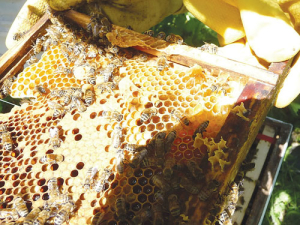
New Plymouth-based Manuka honey exporter Egmont Honey has completed its acquisition of Taihape beekeeping business Tweeddale's Honey, with settlement finalised on Friday, 18 September.

Westpac NZ is calling on farmers and growers to start preparing now for the possibility of a dry summer, as likely El Niño conditions raise the risk of drought across parts of the country.
Fonterra Co-operative Group has confirmed the independently assessed candidates standing for election to its board in 2026.
Fonterra has revised its Farmgate Milk Price forecast for the 2026/27 season, lifting the midpoint and narrowing the range on the back of improving global dairy commodity prices.
New Zealand's citrus growers were challenged to build their future on the value embedded in their fruit rather than the volume they produce, at Citrus New Zealand's annual gathering in Gisborne on 17 September.
Leading John Deere technicians and apprentices from New Zealand and Australians were recognised at the recent sixth annual JD Technician of the Year Awards, held in Brisbane.