At least 1000 submissions have been received on the proposed controversial Waikato Healthy Rivers plan change.
Summary extracts are expected to be available mid-year, then the council will call for further submissions. Hearings will begin early 2018 and the commissioners will make recommendations mid-year.
Waikato Regional Council (WRC) is advertising for registrations of interest for five independent commissioners to sit on a panel to hear submissions on Healthy Rivers/Wai Ora: Proposed Waikato Regional Plan Change 1.
“We understand the level of interest and the importance of the proposed plan to our community and we are seeking experienced and independent commissioners,” says the council’s director of science and strategy, Tracey May.
The selections will be based on recommendations from a sub-group of Te Ropu Haatu, the Healthy Rivers/Wai Ora steering group. This sub-group will include two WRC directors, two iwi managers and one representative of the Waikato River Authority.
Recommendations on the appointments will then be made to the Healthy Rivers Wai Ora committee and then on to the full council for consideration.
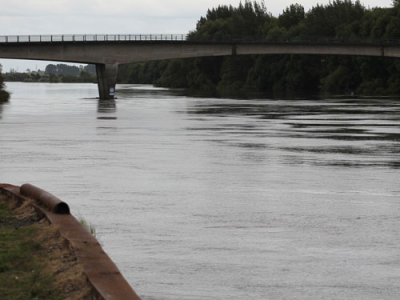
The plan change envisages this decade as the beginning of an 80-year period in which to make the Waikato and Waipa rivers swimmable and safe for food collecting.
WRC says much good work and money has already gone towards improving water quality in the Waikato and Waipa rivers, including $60 million per year from urban rates for improving wastewater discharge, $220m to the Waikato River Authority to clean up the rivers and $80m to the Lake Taupo Protection Trust.