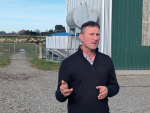
Farm Safety Improves Through 'Incremental Gain', Says Birkett
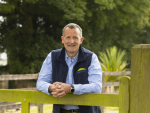
Improving health and safety is about incremental gain rather than a sudden decision, says Leeston farmer and Federated Farmers health and safety spokesman David Birkett.
 increase font size
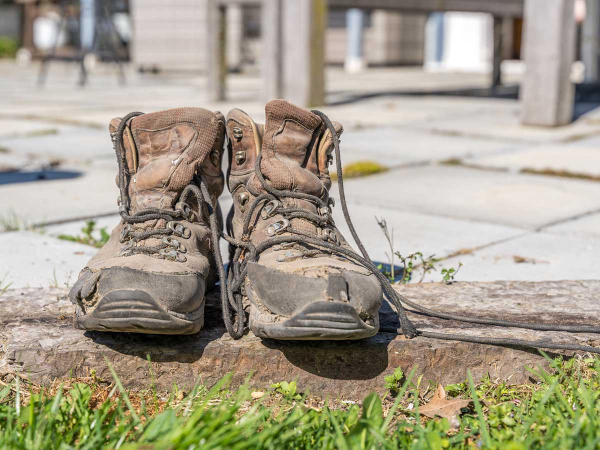
Safer Farms is urging farmers to make sure everyone working on farm has safe, suitable footwear for the job.
Slips, trips and falls are among the leading causes of injury on New Zealand farms, with unsuitable or worn-out footwear a major contributing factor.
To get farmers thinking about the state of their boots, Safer Farms is offering the chance to win a pair of boots worth $729.
Safer Farms Ambassador Lindy Nelson says farmers with old boots sagging around the ankles, or gumboots running low on tread, are encouraged to send in a photo.
“The right footwear is a simple but important line of defence,” she says. “We cannot prevent every injury, but we can make sure our footwear is up to the job.”
How to enter: photograph your battered boots and either share the photo on social media with #BootsofShame or upload it through the online entry form at saferfarms.org.nz.
Prizes: each week, entrants go into a draw for one of four $200 Prezzy Cards. All entries are in the running for a pair of Gronell Everest Tibet boots worth $729. The competition runs for five weeks from 12 October.
Safer Farms has partnered with PGG Wrightson to offer $50 off eligible boots or gumboots priced at $149 or more.
The offer is available in store and online until 31 October.
To get a discount code, head to saferfarms.org.nz/slips-trips.
Canterbury arable farmer David Birkett was preparing to move irrigation equipment and wore standard gumboots because he was working with water. In a hurry, he stepped onto the tractor’s front wheel instead of using the steps, then jumped from the cab. He landed on uneven ground, rolled his ankle and chipped a bone.
The gumboots suited the irrigation work but did not give the ankle support needed on rough ground. He was off work for three weeks, followed by three weeks of rehabilitation with limited tasks. Finding someone with the right skills to cover his work was extremely difficult.
Hazards can be hard to spot or easy to underestimate, from manure on shed floors and divots in paddocks to familiar steps and vehicle access points.
Not all farm footwear is equal. The right pair depends on the task, terrain and weather. Check:
For a task-by-task guide, visit saferfarms.org.nz
Improving health and safety is about incremental gain rather than a sudden decision, says Leeston farmer and Federated Farmers health and safety spokesman David Birkett.
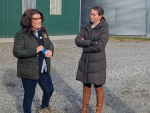
A huge reduction in ACC claims from on-farm accidents over the last five years is due to thousands of small, practical decisions being made in sheds, yards, paddocks and around kitchen tables across the country, says Safer Farms ambassador Lindy Nelson.
Lindy Nelson, Safety Farms ambassador, has been named the winner of the Leadership category at the 2026 New Zealand Workplace Health and Safety Awards in Auckland.
A safety push across New Zealand has revealed significant gaps in hazardous substances management, farm vehicles, tractors, quad bikes and side-by-sides.
Safer Farms ambassador Lindy Nelson's dedication to "rethinking how the primary sector works together to reduce harm on farm" has been recognised with a finalist place in the New Zealand Workplace Health and Safety Awards for 2026.

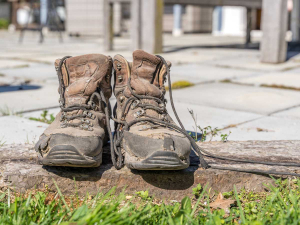
Safer Farms is urging farmers to make sure everyone working on farm has safe, suitable footwear for the job.
The Government is backing work on a community-led water storage scheme that could irrigate up to 11,000 more hectares of the Poverty Bay flats, Agriculture Minister Todd McClay says.
Agri-tech company Herd-i has become a new all-region sponsor of the New Zealand Dairy Industry Awards (NZDIA), the largest nationwide celebration of excellence in the dairy sector.
Four candidates have been confirmed for two director positions on Fonterra’s board.
Returning to the family dairy farm after playing 20 years of professional rugby around the world is no easy task.
After delivering another record farmgate milk price to 100 supplying farms, independent milk processor Tatua is entering thee new financial year with a positive outlook.