McRae Wins Southern South Island B+LNZ Director Vote
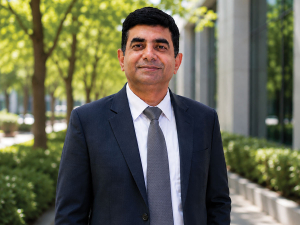
Matt McRae, a farmer from Mokoreta in Southland who runs a sheep, beef and dairy support business alongside a sheep stud, has been elected to the Beef +Lamb NZ Board as a farmer director.
 increase font size
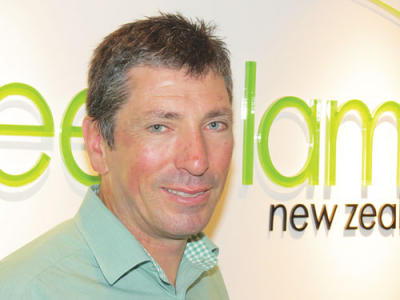 Beef+Lamb NZ chief executive Sam McIvor.
Environmental management, its use and regulation is high on the radar of sheep and beef farmers, according Beef+Lamb NZ’s Sam McIvor.
In his keynote address to BLNZ’s environment conference, last week, McIvor told delegates that soil, water and vegetation is the ‘basis of their industry and they know and understand these assets – because they are basis of their livelihood’. He noted that careful management of the environment is essential to the success of their businesses and farmers understand their obligation to the land.
McIvor says sheep and beef farmers are better able to understand these issues now that impacts are being measured, but there is still some confusion in this regard.
“There is no shortage of willingness to invest in time and money in things. It’s really the confidence that what they do will have a positive impact and I guess the jury on this is still out for a lot of farmers,” he told the conference.
“They say if they fence off a stream or retire land, will it really improve the water quality? They ask if they drop their fertiliser rates back, what’s the impact?
“These are investment decisions for farmers and they want to be confident that what they do will achieve the right outcome.”
McIvor says farmers accept that some of our water ways have issues with nitrogen, phosphate, bacterial contamination, sediment and other stuff, and that farming a part to play. “They accept too that the concern is widespread, that includes the farming sector, rural communities, the wider NZ population and many customers overseas and increasingly trading partners or competitors.
“Let me also say that as a sheep and beef sector – we also get that.”
But McIvor adds that people in the wider community should also be aware that what farmers do provides a whole raft of jobs in the community. He says farmers are rightly intolerant of individuals who spout off opinion without the facts to back it up.
“Contrary to some reports, sheep and beef farmers haven’t been sitting on their hands in regards to environmental issues.”
He points to huge changes the industry has made in the last 30 years by producing the same about of lamb meat, while at the same time the national flock has dropped from 70 million to less than 30 million. In that period, greenhouse gas emissions from sheep and beef farms have fallen by 19%.
“We produce high quality food, in low-impact farming systems on land with few alternatives. A world that needs to mitigate environmental impact, and yet feed 9 billion people by 2050, needs sectors like ours.”
McIvor says farmers are happy to improve their environmental management, but there are some roadblocks to this.
“Such things as a lack of clarity on national environmental issues, making national environmental objectives relevant to farmers and making sure that the whole community and not just farmers are targeted.”
He also points out that there needs to be greater consistency with regional council plans, which adds confusion to the mix.
People have to understand that ‘environmental requests’ are seen as ‘compliance’ by farmers.
“Environmental sustainability is not just a farmer issue – it is a community issue, not just a rural community issue, but an urban one too.
“The community needs to understand the consequences of the questions they are asking of farmers, and the conversation needs to consider all perspectives and focus on what we can agree on to progress,” McIvor says.
Matt McRae, a farmer from Mokoreta in Southland who runs a sheep, beef and dairy support business alongside a sheep stud, has been elected to the Beef +Lamb NZ Board as a farmer director.

Ospri is reducing TB testing frequencies and movement control measures as the disease risk subsidies in parts of the country.
Recent widespread autumn rain will have triggered the germination of subterranean clover seeds, and the resulting seedlings should be allowed to reach the 3–4 trifoliate leaf stage before grazing, says Beef+Lamb NZ.
Southland farmer and director Tony Cleland has been named OSPRI New Zealand’s new chair.
A hub farm in each of Beef + Lamb NZ’s seven regions and more focus groups are being rolled out for the red meat sector this year.


Almond hulls sourced from Australian orchards may have the potential to help New Zealand cows reduce emissions, boost milk yield and lower input costs.

Striking a balance between meeting the needs of industry to speed up approval time for products but on the other hand ensuring that risks are properly assessed.
Surprised, humbled and quite thrilled. That’s the reaction of James Allen, one of the founding partners and now chief executive of AgFirst, on being made a life member of the Institute of Rural Professionals.
It was billed as a chance for all the political parties to woo the rural vote, but question marks hang over just how effective this was.
Minister of Conservation Hon Tama Potaka has appointed Susan O'Regan as Chair of the Queen Elizabeth II National Trust (QEII) for a three-year term.
Red meat farmers are welcoming Labour’s plan to review the Emissions Trading Scheme and not to campaign on pricing agricultural emissions.