NESTLED ALONG the coast of northern Hawke’s Bay lies a historic pioneering farm that next month will open its grounds to support a local charity.
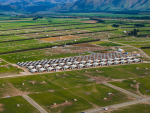
Waihua Station lies about 20km south of Wairoa, its eastern boundary lapped by the South Pacific.
On November 23 its 100-year-old homestead will host the Waihua Christmas Fete, a day of quality shopping and picnicking in beautiful gardens. All proceeds will go to the Hawke’s Bay and Eastland Rescue Helicopter.
Rose Haynes is the fifth generation to farm the 2000ha sheep and beef station, started in 1882 by John Glendining. Rose was raised on the farm by her parents Jill and Bob and took on its management 16 years ago.
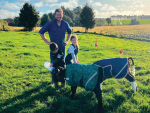
“It hadn’t always been the plan that I would come back to the farm long-term, but I was home between overseas travels and the opportunity came about to stay,” says Haynes, who lives in the homestead with daughter Saba (9) and partner Jock Nicholls.
“Dad still comes out every day to work on the farm and has his own team of dogs. We also have two fencers.”
Having a woman at the helm is not new for Waihua: generations of strong wives and daughters have contributed to the station’s success. Haynes is the latest in that line and is clearly at home on the land.
As with all farming there have been ups and downs, but Haynes is confident they have found the right mix for Waihua. The farm runs about 600 cows each year and keeps all progeny for finishing. They buy in hoggets for winter, about 2200 arriving in May and leaving over a period of four weeks from November. They also have about 200 dairy grazers.
“We don’t have sheep over summer: it was hard on the pasture and [would have required more staff] for the extra work required,” explains Haynes.
“We have a great relationship with the works; we supply and we know what we can grow in that winter period. We have the cattle year round and have been using short horn bulls as we find they produce animals that are quieter and we can finish progeny for the works a lot earlier.”
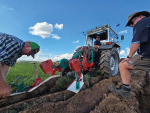
Several flats are used for cropping, particularly maize, while larger areas of native vegetation have been retained but thinned.