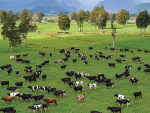
Dairy Industry Pushes to Protect the "Dairy" Term
The global dairy industry is fighting back against alternative proteins masquerading as dairy products.
 increase font size
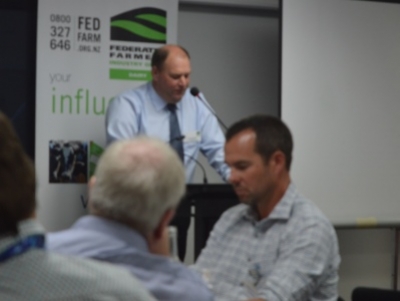
Subsidies handed to European farmers are partly responsible for the dip in global dairy prices, says Federated Farmers Dairy chairman Andrew Hoggard.
Opening the Dairy Council and Sharemilkers' section conference in Nelson today, Hoggard says this structural issue is adding downward pressure on prices.
Hoggard attributed the dairy downturn to both "cyclical and structural nature".
"It started with a single cyclical event; low demand from China and high levels of supply worldwide," he says.
"But what is holding down prices is an underlying structural issue with the global dairy market."
Dairy remains one of the most highly protected marketed products in the world.
Only 13% of global dairy consumption is accessible to NZ dairy exports at tariffs below 10%, Hoggard says.
These barriers mean only a small volume of global products is traded; liquidity of the global dairy market is constrained making it more prone to volatility.
"And then this volatility is compounded because some of the large developed milk producing countries continue to use subsidies and supports to shift the price risk from their farmers and onto the international market," says Hoggard.
"And then it is the international market that shifts the milk price."
Hoggard says its hypocrisy for these subsidised farmers to declare they want to export but not import.
"Sorry guys it's a two way street.
"Subsidies and support payments have the effect of insulating farmers from the reality of the world markets."
The global dairy industry is fighting back against alternative proteins masquerading as dairy products.

Farmers will wait it out like the rest of the country as the composition of the incoming government remains up in the air.
OPINION: The Government's decision to reinstate agriculture and horticultural science as a standalone subject from Year 11 is the right one.
With less than a week to go before voters choose the next government, Federated Farmers has a simple message to its members - get out and vote.
Federated Farmers has welcomed new rural policies released by ACT, saying they align closely with its own election priorities.
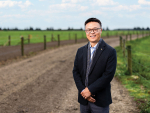
New Farmlands chair and South Otago dairy and beef farmer, Will Clarke says the co-operative will take the learnings from this week’s annual general meeting to work more closely with shareholders.
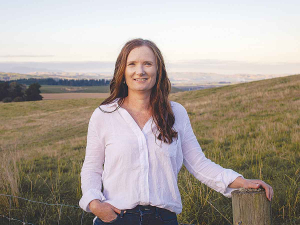
Farmlands shareholder and Waitaki Valley sheep and deer farmer, Paige Wills says the co-operative’s board has “a considerable amount of work to do if they want to rebuild shareholder trust and confidence in their governance”.
New analysis from DairyNZ highlights the growing importance of efficiency and cost control in maintaining profitability, with a widening gap between New Zealand’s highest and lowest performing dairy farms.
For eight-year-old Myra Smith, weeks of caring for and preparing her Red Holstein Friesian calf, Bell, have paid off, with the young Te Pahu handler taking home the Champion Dairy Type title at the recent Waikato A&P Show held at Claudelands.
A titan of the meat industry but a humble and generous guy.
In line with New Zealand’s strategy to open up new markets, the Ministry for Primary Industries (MPI) his extending its diplomatic footprint.