Ah Tatua, You've Done It Again!
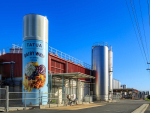
Waikato milk processor Tatua has again declared a record milk payout to farmer shareholders, leaving other processors in the dust.
 increase font size
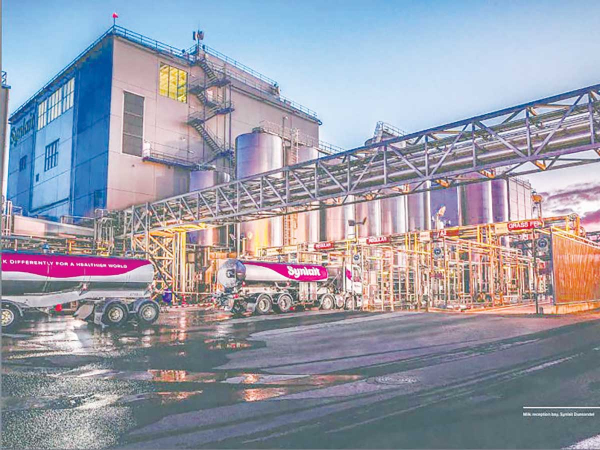 Canterbury milk processor Synlait has revealed its roadmap for a return to profitability.
Troubled Canterbury milk processor Synlait has unveiled a roadmap for its return to profitability.
However, the listed company's plan isn't entirely linked to key stakeholder and customer a2 Milk's rebound. While Synlait is rebuilding its nutritional business around The a2 Milk Company, it has also announced a new chief executive and a new organisational structure.
Synlait is also taking corrective actions to arrest losses from Talbot Forest Cheese and its liquid business.
A new multi-national customer for its Pokeno plant is expected to contribute "meaningfully" from financial year 2024.
Synlait reported a $28.5 million loss for FY2021, its first loss after nine years of profitability. Interim chief executive John Penno says the company has built a plan to return to "robust profitability".
"We have reviewed and remain confident in our strategy. However, execution clearly needs to improve," he says.
Synlait's woes began in December 2020 when a2 Milk suddenly reduced its demand for infant formula. It typically produces 45% to 50% of its infant base powder during the shoulder: inventories are held to produce fully finished consumer-packaged infant formula volumes as customer demand formalises in future months.
Penno says in the shoulder season of FY20, Synlait produced infant base powder inventories on a forward demand forecast that assumed ongoing growth of infant nutrition demand into FY21.
"We therefore came into FY21 with large volumes of nutritionals powders on hand - 40% of forward demand with the expectation that demand would grow."
However, a2 Milk suddenly reduced demand resulting in an eventual 35% decline of nutritionals sales volumes, and a 67% decline in nutritionals powders production.
Penno says whil a2 Milk's infant formula downturn caused Synlait to underperform, a reviw revealed other inefficiencies within the business that had been developing over a longer period of time.
"When the tide goes out the rocks start showing," he says.
Waikato milk processor Tatua has again declared a record milk payout to farmer shareholders, leaving other processors in the dust.
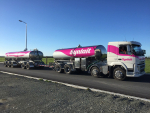
Synlait has swung to second-half profit as operations stabilise, but the dairy processor still posted a $75.4m annual loss.
OPINION: It seems Canterbury processor Synlait is still in the doldrums.
Speculation of a possible joint move by Fonterra and a2 Milk to buy Synlait raises a much bigger strategic question, says agribusiness expert Dr Nic Lees.
A revolving door of chief executives at milk processor Synlait is a warning sign, says Lincon University senior lecturer in agribusiness Nic Lees.

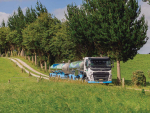
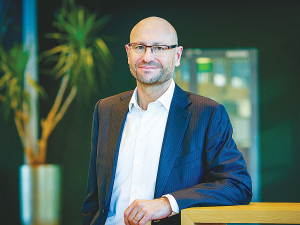
Farmer-owned fertiliser company, Ballance Agri Nutrients is welcoming National’s plan to negotiate security agreements with key supplier countries to protect New Zealand-bound products from export restrictions and greater supply chain certainty.

Carrfields has announced the appointment of Stu Hall to the newly created role of chief operating officer, Carrfields Ltd, reflecting the continued growth of their agribusinesses and the need to ensure the company has the leadership capacity and support in place as it pursues the emerging opportunities ahead.
New Zealand's role is not to compete with Indian growers, according to NZ Apples and Pears.
The potato industry is celebrating the success of two rising stars - James Blair, the 2026 Young Grower of the Year and runner-up and innovation award winner, Amber Davy.
Twenty-eight emerging leaders from across the horticulture sector spent two days last month learning valuable skills and connecting with industry experts.
There are five entrants in this year’s Young Horticulturist of the Year, competing in a series of technical, practical, business and leadership challenges.