
Labour Vows to Change Tact on How to Handle Freshwater Rules
A Labour-led Government won’t be bringing back the controversial freshwater rules of 2020.
 increase font size
 Trade Minister Todd McClay
Trade Minister Todd McClay says the US tariff decision appears to be based on a calculation of trade deficits, with countries running a surplus with the US moved to the higher rate.
He says in NZ's case our surplus is a modest US$500 million, and is not overly significant in the context of the US economy.
He says over the past decade there have been times when the US has enjoyed a significant surplus over us and overall, our trade is balanced and complementary.
McClay says he's seeking an urgent call with the US Trade Representative to make NZ's position clear, because the 15% tariff they have imposed risks harming exporters and consumers of both countries.
"The US currently faces an average tariff of just 0.8 per cent when exporting to NZ, far lower than what we face into their market," he says.
McClay says NZ has always stood for open, rules-based trade and will continue to advocate strongly for a resolution that supports our exporters and maintains the strength of our trading relationship with the United States.
Former Labour Trade Minister Damien O'Connor describes the US tariffs as a serious intervention on global markets and the core products that the NZ primary sector exports.
He believes it may take some time for the effects of the new tariffs to hit the pockets of NZ farmers but it will have a significant impact on our meat processing plants, which he says are really squeezed financially with some not making profits.
He says everyone will have to adjust to the inevitable changes in the market, but this will cost money.
O'Connor says recent initiatives by the industry to lure consumers to NZ products are good.
He points to the recent Taste Pure Nature campaign in China and Zero Carbon beef by Silver Fern Farms as examples of this.
"But this tariff disruption is no doubt going to squeeze them and the farmers over time," he says.
A Labour-led Government won’t be bringing back the controversial freshwater rules of 2020.

OPINION: The United States wine market has changed forever, and companies cannot use same old playbook, said Erin Kirschenmann at the New Zealand Wine 2026 Wine Business Forum in August.
It was billed as a chance for all the political parties to woo the rural vote, but question marks hang over just how effective this was.
There's been widespread support from the primary sector for the Government's announcement on changes to freshwater farm plans that come under the Natural Environment Bill, which is now set to replace the existing RMA.
Chinese beef trade quotas and a looming suspension of Brazilian beef imports into the European Union are expected to reshape global beef trade flows over the remainder of 2026, with implications for New Zealand exporters, according to Rabobank's Q3 Global Beef Quarterly report.


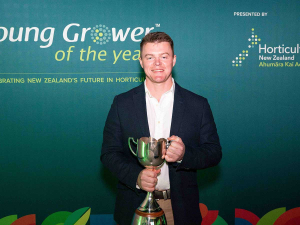
The potato industry is celebrating the success of two rising stars - James Blair, the 2026 Young Grower of the Year and runner-up and innovation award winner, Amber Davy.
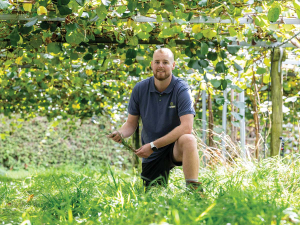
Twenty-eight emerging leaders from across the horticulture sector spent two days last month learning valuable skills and connecting with industry experts.
There are five entrants in this year’s Young Horticulturist of the Year, competing in a series of technical, practical, business and leadership challenges.
A seasoned horticulturist has been appointed to deliver the Apple Action Plan, a key initiative of the India-New Zealand Free Trade Agreement.
New Zealand's citrus growers have been told to compete on the value built into their fruit rather than the volume they grow.
Hawke's Bay fruit growers are being reminded of the need to prepare for whatever the El Niño weather system may bring in the coming months.