M.I.A.
OPINION: The previous government spent too much during the Covid-19 pandemic, despite warnings from officials, according to a briefing released by the Treasury.
 increase font size
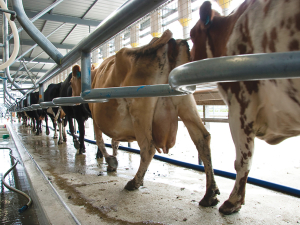
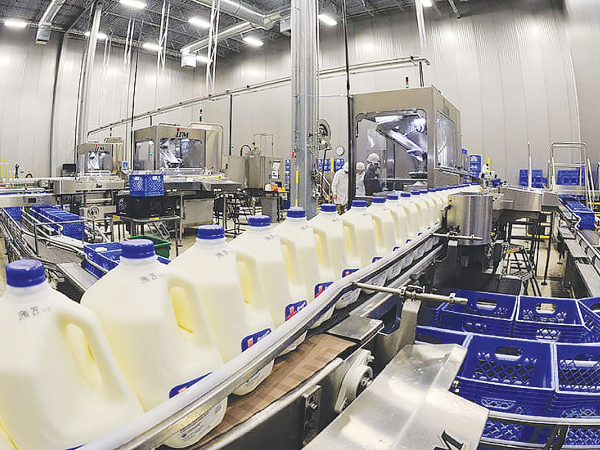 The dairy processing industry is facing the prospect of losing some highly skilled staff because they are not fully vaccinated.
The dairy industry is facing the prospect of losing some highly skilled staff because they are not fully vaccinated.
Chris Flatt, national secretary of the dairy worker union, told Rural News that he fears some workers may be lost to the industry because of their anti-vaccination stance.
He believes that some tough conversation will need to be had.
The union represents 8,500 workers in the industry and Flatt says the key focus for the union is about people's health and safety when they go to work. He says, like the rest of society, there are conflicting views within the dairy industry workforce on the issues of vaccination.
Dairy companies around the country are individually going through a risk assessment process and consulting staff on whether or not to mandate vaccinations for staff.
"What we have heard is that the majority of our members support vaccination," he told Rural News. "They want to be safe at work and have received double vaccination. But there are those within our union, like in wider society, who don't agree with that and we are trying to support them as well."
Flatt says his union has been heavily involved in the consultation processes on risk assessments with the dairy companies that they have collective agreements with. He says the process has been fair and they feel their concerns have been listened to.
Flatt notes that while they may not agree with everything, the union accepts the fact that companies have the right in law to put in place vaccination mandates for their staff.
The union has the challenging task of supporting both those who are vaccinated and those who are not. In the case of the latter, Flatt says they are working with these people to see if they can get a vaccination or possibly an exemption, which some companies are offering in certain circumstances - particularly on medical grounds.
"But we also have members who tell us they want to turn up to work and be safe at work and not be around potentially those that could spread the virus."
Dealing With Covid
Chris Flatt says part of ongoing discussions between the union and dairy companies relates to sick leave and how people can isolate if they get sick.
He notes that there are multi-generational households in rural areas and this presents its own challenges.
"The Government has talked about some support around this as well, but we need to ensure workers can isolate and be off work and not feel pressured to go back to work early," he explains. "A lot of our collectives have good sick leave provisions. From what we have seen overseas, we need to prepare for huge amounts of sick leave to be taken."
At the same time, Flatt says they have to look after staff who may have to fill in for those who are sick and ensure that they are not doing too much, and that their collective employment agreement terms are complied with.
"But at the same time, recognising there may need to be some flexibility on certain sites because we could have large numbers of workers just being on sick leave," he adds.
One of the worries for the dairy industry, Flatt says, is how to replace workers who have to exit the industry because of vaccine mandates, or who may be off sick. He says many of these workers are high skilled - such as tanker drivers and plant operators - and are not easily replaced. This is on top of an overall labour shortage in the country, which adds to the problem.
"You cant just click your fingers and get replacement staff."
Flatt says the union is in a very tricky position dealing with a multiplicity of complex issues and divergent views of its members. He ays the next four to eight weeks will be crucial for many reasons - not the least of which is how fast and to what degree Omicron spreads.
OPINION: The previous government spent too much during the Covid-19 pandemic, despite warnings from officials, according to a briefing released by the Treasury.
OPINION: Labour leader Chris 'Chippy' Hipkins is carrying on the world-class gaslighting of the nation that he and his cohorts started after their disastrous Covid response; now trying to undermine the Covid inquiry to protect his own backside.
OPINION: Did former PM Jacinda Ardern get fawning reviews for her book?
OPINION: Welcome to the second annual NZ Dairy Expo at Matamata – an event created to bring together the best of the New Zealand dairy industry in a focused, grassroots environment where dairy farmers and rural professionals can meet, talk, compare products, and make smart decisions for their farms.
It's a bloody tough year for sheep farmers, but the worst may be over, and the future looks optimistic.

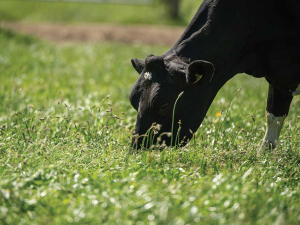
Farms across the upper North Island are trialling different pasture mixes as part of a research programme that aims to build greater resilience into farming systems.
Election years are always a concerning time for farmers, according to DairyNZ chair Tracy Brown.
The Ballance Farm Environment Awards are coming to the West Coast of the South Island.
Most dairy regions around the country have had a pretty good season so far says Tracy Brown.
Rural leader Mark Hooper has been appointed as an independent director to the NZPork board, bringing extensive farming, governance and advocacy experience to the role.