Bailey's skill to speak 'plain language'
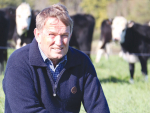
Tributes flew last week at the official farewell in Wellington for the retiring chair of Dairy Companies Association of New Zealand, Malcolm Bailey.
 increase font size
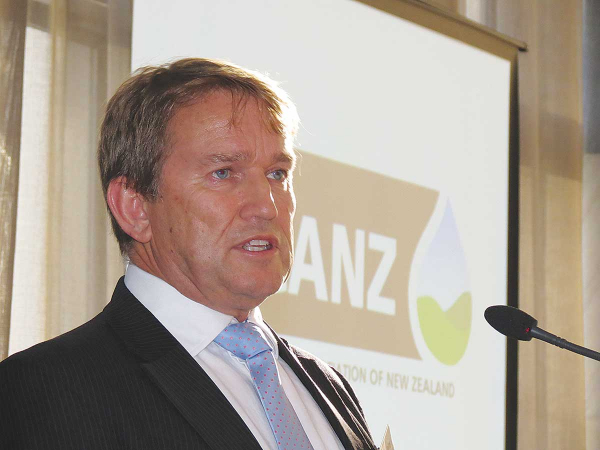 NZ International Business Foundation chair Malcolm Bailey says while the RCEP deal is good, he is disappointed India is not part of it.
A new trade agreement, the Regional Comprehensive Economic Partnership (RCEP), has been described as a new rule book for trade in the Asian region.
The RCEP includes 15 countries from the Asia-Pacific region – including NZ – and covers more than 30% of the world’s trade. However, there is disappointment that India has withdrawn from the agreement.
NZ International Business Foundation chair Malcolm Bailey says the RCEP will further strengthen New Zealand’s trade and economic relationships in the Asia Pacific region.
“Obviously, we would have preferred the deal to have delivered a much sought-after FTA with India and we hope that India will join the RCEP in the not too distant future,” he adds. “RCEP is still an important new agreement, covering nearly a third of the world’s population and many of New Zealand’s key export markets and sending a useful signal about the importance of trade liberalisation”.
Bailey believes the RCEP is good news for New Zealand in achieving some new market access into Indonesia on a range of products – such as sheep meat, beef, fish products, liquid milk, cheese, honey, avocados, tomatoes and persimmons.
“In addition, improved customs procedures will facilitate New Zealand exports of perishable products across the RCEP region and other commitments including in services and investment will add to the rule book for trade and investment with Asian countries.”
The NZ meat industry has also welcomed the deal. B+LNZ chief executive Sam McIvor says the agreement will help to deepen cooperation and strengthen trade in the region.
“It should help the New Zealand red meat sector build on the strong connections we already enjoy with countries in the Asia-Pacific.”
McIvor has also expressed disappointment that India has not joined the deal.
“We hope that over time they will come to see the mutual benefits that RCEP offers and will decide to join the agreement.”
He says a strong framework of trade deals around the world will help support a resilient red meat sector and the broader New Zealand economy at a time of global turbulence.
Sirma Karapeeva, chief executive of the Meat Industry Association, says the RCEP countries were important export destinations for the New Zealand red meat industry.
“The agreement helps to streamline trade rules around the region. Covid-19 has shown just how important it is to keep supply chains functioning and trade flowing smoothly.”
Horticultural exporters have also welcomed the signing of the RCEP, with industry body Hort NZ saying that it will ensure the country’s horticulture exports continue to grow as the world comes to terms with Covid.
“Without clear trading arrangements, improved market access and reduced tariffs, it is extremely difficult to export from the bottom of the world to larger economies like Asia and Australia,” chief executive Mike Chapman says.
“Of immediate benefit to horticulture is the expectation that customs authorities will release perishable goods within six hours of arrival. This will help ensure that our produce arrives on consumers’ tables in the best possible condition.”
Chapman says another significant benefit is that the agreement provides a process for addressing non-tariff barriers within clear timeframes.
New Trade Minister Damien O’Connor signed RCEP alongside ministers from ASEAN Member States, Australia, China, Japan, and South Korea during a virtual ceremony earlier this month. It was witnessed by leaders of the 15 RCEP countries – including PM Jacinda Ardern.
New Zealand exported over $36 billion of goods to RCEP countries and nearly $12 billion of services in the year ending December 31, 2019.
Tributes flew last week at the official farewell in Wellington for the retiring chair of Dairy Companies Association of New Zealand, Malcolm Bailey.
Malcolm Bailey grew up on a dairy farm near the township of Feilding in the lower North Island.
The man who has led the Dairy Companies Association of NZ (DCANZ) for the past 15 years believes the dairy sector does not get enough recognition for what it does for NZ.
Aged 64, Malcolm Bailey says farewell after a stellar career in the dairy industry but his knowledge, innovation and drive will not be lost to the wider primary sector.
Malcolm Bailey says one of the difficult things he's had to overcome in his tenure with DCANZ is getting traction in the media to point out all the initiatives and works that have been done by the industry in the face of public criticism.


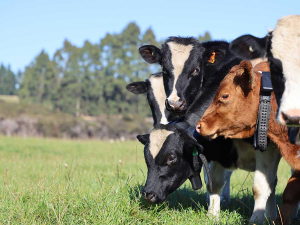
High country stations, mixed sheep and beef farms, Māori-owned farms, corporates and family operations are among the nine commercial farms taking part in the Livestock Innovation Farming Transformation programme, known as LIFT.
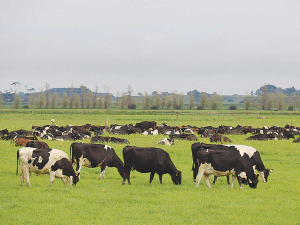
OPINION: New health and safety guidance unveiled by the Government recently provides farmers greater certainty about what is expected of them when managing risks on farm.
The National Animal Welfare Advisory Committee (NAWAC) is seeking public feedback on proposed changes to the Code of Welfare for Rodeos.
A New Zealand initiative supporting farmers to restore the health of grazing landscapes has received international backing through the Regenerative Fund for Nature, a global collaborative fund supporting regenerative agriculture and the communities that produce natural fibres for the fashion industry.
Combine premium New Zealand products, blend in a family ritual and what do you get? A world-class functional drink.
Entries are now open across eleven regions for the 2027 New Zealand Dairy Industry Awards (NZDIA).