Bex Green Named Federated Farmers' Advocate of the Year 2026
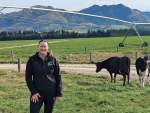
A strong sense of community involvement is what propelled the Federated Farmers' North Canterbury president Bex Green to the honoured title of the Feds' Advocate of the Year 2026.
 increase font size
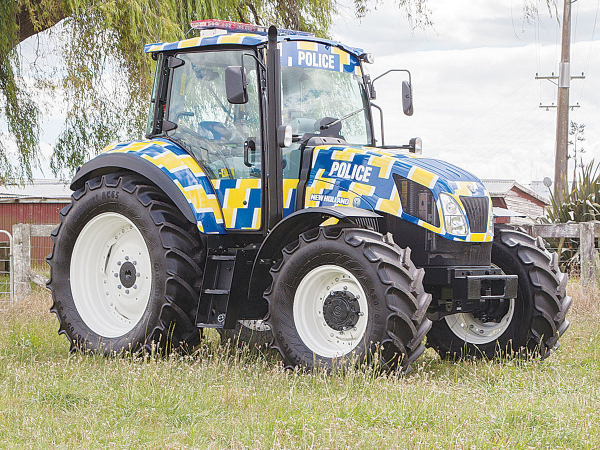 The Police Association says rural policing has always been challenging, with a wide range of communities covered by rural officers.
New uniforms and reliable phone coverage are among the support rural police officers require.
That’s according to the results of the Rural Police Enhancement (RPE) Project. According to documents obtained earlier this year under the Official Information Act, NZ Police identified a number of ‘opportunities’ during the project for rural policing to be improved.
Those requests included rural specific training, support for rural policing families, special equipment for rural vehicles (e.g. emergency lighting, trauma kits, and winter tyres), and uniforms suitable for rural conditions.
The current police uniforms are not suitable for wet weather and rural officers are requesting shirts that don’t glow in the dark, the project results state.
New Zealand Police Association president Chris Cahill says members of his organisation have long questioned the practicality of the uniforms they currently wear, with many rural officers requesting more practical trousers.
“However, it remains important that the uniform is practical and serviceable while also maintaining a professional look,” Cahill says.
The RPE was commissioned in March 2021 by Deputy Commissioner Glenn Dunbier to ensure rural policing is both “fit for purpose and responsive to changing rural needs”. It was also designed to improve how NZ Police could enable and equip rural officers.
The results of the RPE were used to influence a new Rural Police Model, which was approved in March 2022.
“The new model has been designed to enhance and support existing practices by clarifying, defining and agreeing our operating model,” says Dunbier. “It is not introducing an entirely new way of working.”
The results of the RPE come after the Independent Police Conduct Authority (IPCA) released a review, Policing in Small Communities, which identified 41 recommendations to improve small community and rural policing in November 2021.
The IPCA identified that while officers usually received specialist support for matters like critical incidents and family harm when it was needed, in the more remote locations, “officers were occasionally left to fend for themselves with investigations that specialists should have handled”.
Cahill says the role of a rural police officer has always been challenging, with a wide range of communities covered by rural officers.
However, he says, with the changes in the nature of rural communities, officers are seeing issues previously seen as ‘big city problems’. These include unemployment, drugs and gangs, Cahill explains.
According to the 2021 Federated Farmers and NZ Police rural crime survey, out of 1200 farmers, 52% said they had been impacted by crime. Most crimes reported in the survey were livestock theft, agricultural vehicle, small tools and fuel theft, poaching, cannabis growing, and methamphetamine manufacturing.
The survey claims drug-driven crime is having a growing impact on rural areas, with addicted criminals searching out items to sell for cash and manufacturers using remote rural properties.
One thing that has come out of the RPE and is being implemented under the Rural Police Model is the introduction of a new National Rural Inspector position.
Cahill told Rural News that given the importance of the role rural officers and their families play in policing, the introduction of the new role has merit.
“But for it to be meaningful there have to be clear lines of communication from rural officers to this position and, more importantly, National HQ and districts have to listen to the issues raised through the position and address the concerns that are identified by the rural officers and the whānau”.
Cahill adds, however, that it’s important to give the new model and the Rural Police Enhancement Project a chance.
A strong sense of community involvement is what propelled the Federated Farmers' North Canterbury president Bex Green to the honoured title of the Feds' Advocate of the Year 2026.

Canterbury farmers and the Police Association say they are frustrated by proposed cuts to rural policing in the region.
Federated Farmers North Canterbury president Bex Green says two public meetings held this week should have made it loud and clear that rural families and businesses are concerned about proposed staffing changes at NZ Police.



National’s pledge to introduce 19 new national standards shows the party is serious about getting Wellington out of farming, Federated Farmers says.
The National Party’s policies to make it easier to grow fresh vegetables, secure reliable water and energy and simplify farm planning are practical changes that will give growers the confidence to invest, according to Horticulture New Zealand (HortNZ).
Fonterra Co-operative Group chief financial officer Andrew Murray has resigned to take up a role outside the dairy giant.
A major move is about to get underway to improve the quality and viability of dairy beef and cattle in NZ.
Veterinarians say changes to the code of welfare for dairy cattle provides a positive foundation for improved cattle welfare across the country.
Today, 15 October, is the International Day of Rural Women, which recognises rural women’s contribution to farming, communities and the environment.