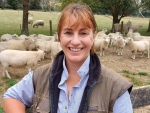
Mary Bowron Named Best Sheep and Beef Vet of the Year
B+LNZ's Wormwise veterinarian Mary Bowron has won the Best Sheep and Beef Vet of the Year Award in recognition of her outstanding contribution to New Zealand’s sheep and beef sector.
 increase font size
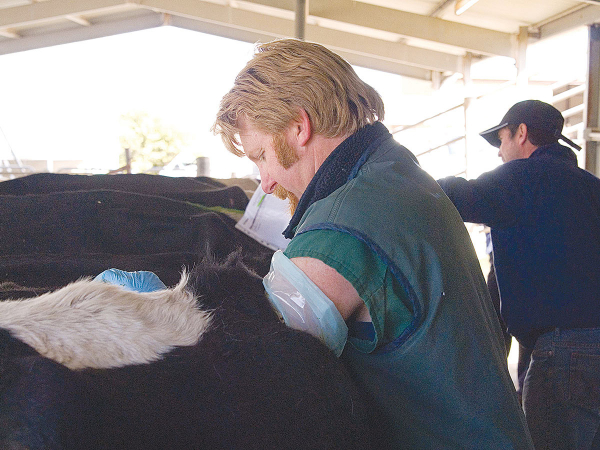 Current border restrictions are making it tough to get more vets into New Zealand with some even choosing to go to Australia instead.
Border restrictions are putting a roadblock in the way of getting more veterinarians to New Zealand and some are even choosing to go to Australia instead, a recruitment consultant says.
Julie South, talent acquisition consultant with VetStaff, told Rural News that while many overseas vets are keen to work in New Zealand, some don’t mind where they end up.
She says prior to the Government’s announcement that 50 vets would be granted border class exceptions, she’d been working with vets who were considering both Australia and New Zealand as potential places to work in.
“However, because the Australian government made it super-easy for them to work in Australia, that’s where they opted to go,” she says.
“For those who don’t mind – because they’ve never been here, they therefore don’t realise there is a difference between the two countries… but to them it doesn’t matter.
“If your dream is to emigrate down under or do your OE down under, of course you’re going to go to the country that makes it easy and welcomes you the most.”
South says that although these Australia-bound vets are in the minority, the numbers are increasing.
Helen Beattie, chief veterinary officer for the New Zealand Veterinary Association, says that anecdotally, she has heard of similar stories.
“Australia has recently removed some visa requirements, so it is much easier for up to 800 veterinarians to enter the country – this places us in direct market competition for recruitment of overseas veterinarians, and our visa requirements are more difficult to meet, meaning we are at a disadvantage.”
She says that typically approximately 60% of vets are recruited from offshore annually.
Beattie adds that while animal welfare is currently well-protected by the Veterinary Council of New Zealand’s Code of Practice and veterinarians are making enormous efforts to protect the animals under their care, the ongoing welfare of veterinarians has become the real issue.
“Already we know that some veterinarians are seeking exemptions and some relief from the codified requirement to respond, due to the stress of the veterinary shortage and the ongoing impacts on their wellbeing,” Beattie says.
“There are clinics across the country that are no longer taking on new clients, due to lack of veterinary resourcing, and the impacts on their people.”
B+LNZ's Wormwise veterinarian Mary Bowron has won the Best Sheep and Beef Vet of the Year Award in recognition of her outstanding contribution to New Zealand’s sheep and beef sector.
Equine veterinarians say horse owners need to stay alert and communicate with their vets following an outbreak of the highly contagious bacterial disease Strangles in the North Island.
Vets say they support the responsible use of virtual fencing and virtual herding technology for cattle and wants to work with farmers, manufacturers and government to help shape standards for future use backed by ongoing research to strengthen animal welfare outcomes.
Animal owners can help protect life-saving antibiotics from resistant bacteria by keeping their animals healthy, says the New Zealand Veterinary Association.
Around 97% of New Zealand pet owners value the care provided by their vet teams, but the broader contribution of animal health professionals to society often goes unseen, a new study has revealed.



LIC shareholders have elected a new North Island representative to the co-operative's Board, along with five representatives to its Shareholder Reference Group (SRG), following the company's Annual Meeting held in Invercargill.
Farmers across parts of Southland and South Otago are continuing to deal with difficult conditions after a prolonged run of wet weather, with pressure building around feed supply, stock management, pasture damage, farm infrastructure and everyday workloads.
Federated Farmers says it welcomes Labour's commitment to reviewing the Sharemilking Agreements Act, calling on other major parties to do the same.
For Canterbury dairy farmers Sian Meijer and Rick Wobben, wearable technology has become one of their most valuable on-farm tools - helping manage 1850 cows across an expansive, high-performing dairy operation while improving efficiency, mating outcomes and day-to-day decision making.
Fonterra has unveiled its annual results for the 2026 financial year, posting $27 billion in revenue and close to $20 billion returned to New Zealand farmer owners and unit holders.
The first major update to the Dairy Cattle Code of Welfare in more than a decade has been released, marking what DairyNZ describes as an important step in ensuring animal welfare standards continue to evolve alongside scientific evidence and on-farm realities.




