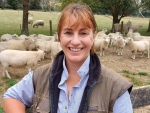
Mary Bowron Named Best Sheep and Beef Vet of the Year
B+LNZ's Wormwise veterinarian Mary Bowron has won the Best Sheep and Beef Vet of the Year Award in recognition of her outstanding contribution to New Zealand’s sheep and beef sector.
 increase font size
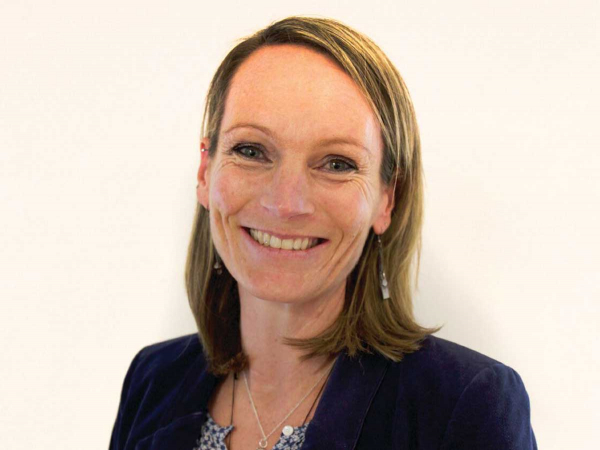 Dr Helen Beattie.
The New Zealand Veterinary Association has some advice for animal owners amid the COVID-19 pandemic.
The association representing New Zealand veterinarians says COVID-19 should not reduce the care owners give to their animals’ health and welfare.
"We appreciate there are many issues that people are dealing with in relation to COVID-19, particularly those self-isolating or with family members taking this precautionary measure," says New Zealand Veterinary Association chief veterinary officer, Dr Helen Beattie.
"We would like to re-assure New Zealand animal owners that, despite a second dog in Hong Kong testing positive for the COVID-19 virus, there is currently no reliable evidence that animals are playing a role in the widespread transmission of the disease between humans or other animals.
"We are being guided by the World Organisation for Animal Health (OIE), and the World Small Animal Veterinary Association (WSAVA). Both dogs that tested positive were living with people affected by COVID-19.
There have been no clinical signs reported in the dogs, and the positive tests are likely due to the animals being contaminated by their owners.
OIE and WSAVA recommend owners affected by COVID-19 take similar precautions in interacting with their animals, as they would with people during this time - physical distancing as much as is practical, which limits possible virus transfer, and good hygiene practices.
"They should limit close contact with their pets and maintain high standards of hygiene, such as washing hands before and after interacting with their animals.
"There is certainly no justification for abandonment, euthanasia, or any measures that might compromise animal welfare, in the light of the outbreak of COVID-19."
Beattie says people to act responsibly towards their veterinary team during this time.
"We have heard of clients that should be self-isolating turning up at veterinary clinics with their animals. This is unacceptable and puts the profession at risk. We implore anyone affected by COVID-19 or self-isolating - call your clinic first if your animal needs urgent veterinary care. This allows the staff to make an appropriate plan, whilst lowering their exposure risk.
"We need the veterinary profession to stay healthy during this time. Risking the health of your veterinary staff risks their ability to provide effective care for everybody’s animals."
B+LNZ's Wormwise veterinarian Mary Bowron has won the Best Sheep and Beef Vet of the Year Award in recognition of her outstanding contribution to New Zealand’s sheep and beef sector.
Equine veterinarians say horse owners need to stay alert and communicate with their vets following an outbreak of the highly contagious bacterial disease Strangles in the North Island.
Vets say they support the responsible use of virtual fencing and virtual herding technology for cattle and wants to work with farmers, manufacturers and government to help shape standards for future use backed by ongoing research to strengthen animal welfare outcomes.
Animal owners can help protect life-saving antibiotics from resistant bacteria by keeping their animals healthy, says the New Zealand Veterinary Association.
OPINION: The previous government spent too much during the Covid-19 pandemic, despite warnings from officials, according to a briefing released by the Treasury.


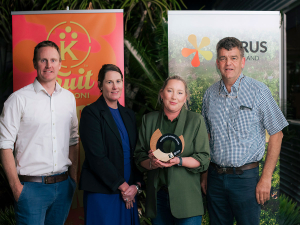
New Zealand's citrus growers were challenged to build their future on the value embedded in their fruit rather than the volume they produce, at Citrus New Zealand's annual gathering in Gisborne on 17 September.

Leading John Deere technicians and apprentices from New Zealand and Australians were recognised at the recent sixth annual JD Technician of the Year Awards, held in Brisbane.
In Dacre, near Invercargill in New Zealand’s South Island, Bruce Dinnington is running a dairy operation unlike any other.
A free online platform aggregating governance vacancies across rural and regional New Zealand has been launched.
Environment Minister Nicola Grigg has announced details of a new rural plastics recycling scheme.
Agricultural drone operators say that a government decision to allow lower-risk drone work without certification won’t lower standards but drive innovation and efficiency.