Lanaco and Blueair Launch World-First NZ Wool Air Filter
New Zealand wool is reaching new heights as air filtration companies move away from synthetic products to biodegradable alternatives.
 increase font size
 Campaign for Wool NZ chair Ryan Cosgrove.
A group set up to boost education and promotion of wool says it has made positive strides during the first year of its three-year strategy.
Campaign for Wool New Zealand says, although it's been demanding, it has seen remarkable growth and got solid traction.
In its 2023 report, released last week, president Ryan Cosgrove says their strategic focus over the last financial year has been unwaveringly centred on their key priorities: education, promotion and advocacy.
"Not only are we confident in the strength and momentum of our strategy, we're on target and extremely excited about taking our work to the next level in 2024. Our results speak for themselves.
"Thousands of children taught about the wonders of wool with refurbished facilities and resources.
"Over two million people reached with a new multimedia consumer campaign about choosing wool over synthetics.
"We've increased our alignment and support with over 230 supporters and partners and we've advocated regionally and globally for amplified use of New Zealand wool."
But Cosgrove says their work is more than a strategy.
"It's a movement and it's gathering speed: our actions, and our work alongside our partners is now beginning to create the change the industry needs. And the year ahead will see us do even more."
According to the annual report, over two million NZ consumers were reached with multi-channel advertising campaigns across TV, print, radio, digital and social media. The "Wool in Schools" programme reached 6700 students and it posted 320 "engaging" social media posts across Facebook, LinkedIn and Instagram.
Cosgrove says educating New Zealand's youth about the advantages of choosing wool products over synthetic alternatives is vital for instilling early awareness and fostering sustainable habits.
"Primary school years form a crucial foundation for lifelong values, making it an opportune time to introduce concepts of wool performance and environmental responsibility. While integrating wool education into secondary schools empowers the next generation to prioritise wool use over synthetics, it also develops conscious consumerism and the importance of supporting our nation's wool industry.
"By teaching young children about the benefits of New Zealand wool, educators can impart essential knowledge about the material's renewable and biodegradable nature. This early understanding encourages children to develop a sense of responsibility towards the environment, as they grasp the positive impact of choosing wool over synthetic materials over ecosystems and sustainability."
He says plans for this year include expanding into tertiary with a tailored modular pilot programme across architecture, and creating a new 'Wool in Schools' pilot programme for remote schools.
There are also plans to develop further consumer campaigns to promote wool's benefits and champion strong wool for specification in public and government buildings.
Initiated in 2010 by King Charles III, the Campaign for Wool (CFW) is a global endeavour raising awareness among consumers about the natural, renewable and biodegradable benefits offered by the fibre.
New Zealand wool is reaching new heights as air filtration companies move away from synthetic products to biodegradable alternatives.
Will a stronger, more coordinated voice help rebuild confidence and improve returns in the wool sector?
OPINION: Confidence in the wool sector is rebounding as prices hit levels not seen in more than 15 years.
The recently signed free trade agreement with India is an invitation to strengthen relationships between the New Zealand and Indian strong wool industries, says Wool Impact chief executive Andy Caughey.
Strong competition and tightening supply have seen wool reach its highest prices paid at auction since 2011.



Now in its fourth year, the 2026 Fencing Industry Awards, formed part of the proceedings of the FCANZ Conference, held in Nelson during August.
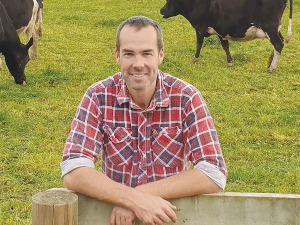
DairyNZ deputy chair Cameron Henderson has been re-appointed unopposed for another term.
OPINION: The stats speak for themselves.
Farms across the upper North Island are trialling different pasture mixes as part of a research programme that aims to build greater resilience into farming systems.
Election years are always a concerning time for farmers, according to DairyNZ chair Tracy Brown.
The Ballance Farm Environment Awards are coming to the West Coast of the South Island.