
Editorial: Wool's Back in the Black
OPINION: Confidence in the wool sector is rebounding as prices hit levels not seen in more than 15 years.
 increase font size

Apart from a small selection of mid micron wools, all other types at the South Island sale were between 1 and 4% dearer, New Zealand Wool Services International Ltd's general manager, John Dawson, says.
Of the 6035 bales on offer, 90% sold. The weighted indicator for the main trading currencies was down 2.36% adding strength to local prices.
Dawson advises mid micron fleece were 2.5 to 3.5% cheaper. Fine crossbred fleece were up to 1.5% firmer with shorter types 2 to 4% dearer. Coarse crossbred full fleece were 2 to 3% stronger with shears firm to 2.5% dearer.
Long oddments were 3% stronger with shorter types up to 1.5% firmer.
There was limited competition with China, Australasia and United Kingdom most active, supported by Middle East and India. The next sale on August 29 comprises about 7600 bales from the South Island.
OPINION: Confidence in the wool sector is rebounding as prices hit levels not seen in more than 15 years.
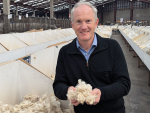
The recently signed free trade agreement with India is an invitation to strengthen relationships between the New Zealand and Indian strong wool industries, says Wool Impact chief executive Andy Caughey.
Strong competition and tightening supply have seen wool reach its highest prices paid at auction since 2011.
A collaboration between two New Zealand companies will see wool used as a renewable colour source for 3D printing.
OPINION: A bumper season all around.

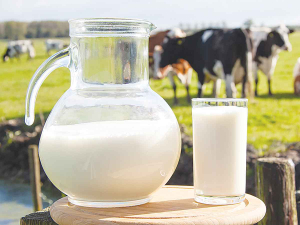
New Zealand dairy farmers are set to be the first in the world to receive access to a new digital physical milk pricing tool that enables them to fix the price for their physical milk.
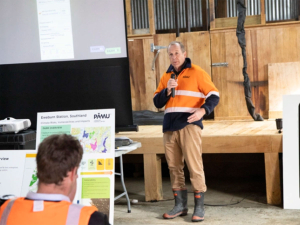
State farmer Pāmu is opening its farm gates this summer in an effort to give the rural sector the opportunity to see how large-scale, multi-system farming is delivering productivity and profitability across New Zealand.
A five-year study has found that the cost of reducing emissions without technology may be significant and unsustainable for Northland dairy farmers.
DairyNZ says Waikato farmers need certainty on Plan Change 1, but they say that certainty must be matched with practical, workable rules and a clear transition that doesn't get ahead of the new resource management system currently under review.
While the Government has moved quickly to make commercial hauliers' lot easier during the current fuel crisis, they appear to be stuck in the creep box when it comes to the agricultural industry.
Waikato farmers have been told that the Government’s new planning system legislation and the region’s Plan Change 1 (PC1) “won’t mesh together very well”.