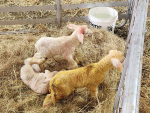
Beef + Lamb NZ's Lambing Kit Checklist for a Tough Season
With lambing underway in many regions, Beef + Lamb New Zealand is encouraging farmers to put together a wellequipped lambing kit to help minimise lamb losses, particularly in bad weather.
 increase font size
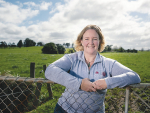
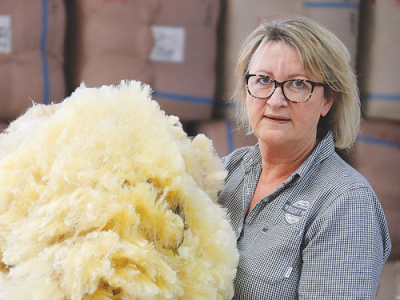 Philippa Wright with some this year’s long, yellow wool.
It's been called the most difficult season in 45 years.
That’s how Central Hawkes Bay wool buyer Philippa Wright is describing the present season, which she says is due almost entirely to the weather.
Wright told Rural News, from her base in Waipukurau, that the rain and heat in November and December completely changed the quality of the wool. And it delayed shearing by about a month, which is having serious flow-on effects.
“The wool we are now receiving is longer, yellower and poorer quality, simply because of the environment we have had,” she explained.
“The price was down anyway and is pretty much on a par with last year, but the quality of the wool is making it much more difficult. Normally in Central Hawkes Bay we have strong, clean, well grown wool. But this year, because of the poorer quality of the wool, it’s harder to sell.”
Wright says wool shorn in the area is normally 100-150mm in length, but this year it is 120-170mm in length. While some of that may be due to late shearing, the weather has played a role in the whole equation.
“This year wool is harder to sell because as soon as you get extra-long wool you will generally get the colour and the faults,” Wright says. “Most of the wool goes for carpet, but once upon a time 80% of our wool in this area went to carpet; now it’s more like 15%.”
According to Wright, NZ relies heavily on China finding new ways to use that type of wool. A lot of research is going into finding new uses for wool, but the challenge is finding manufacturers that will take the bulk of our wool.
“We now have too much of a type that isn’t particularly easy to use.” she says.
With lambing underway in many regions, Beef + Lamb New Zealand is encouraging farmers to put together a wellequipped lambing kit to help minimise lamb losses, particularly in bad weather.

New Zealand wool is reaching new heights as air filtration companies move away from synthetic products to biodegradable alternatives.
Will a stronger, more coordinated voice help rebuild confidence and improve returns in the wool sector?
OPINION: Confidence in the wool sector is rebounding as prices hit levels not seen in more than 15 years.
The recently signed free trade agreement with India is an invitation to strengthen relationships between the New Zealand and Indian strong wool industries, says Wool Impact chief executive Andy Caughey.


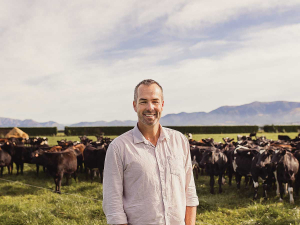
For Canterbury dairy farmer Cameron Henderson, supporting Meet the Need comes down to a simple question: how can the success of New Zealand farming benefit more than just those within the industry?
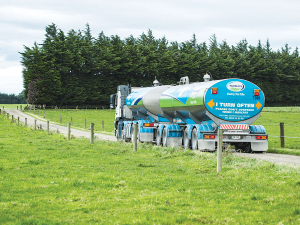
Fonterra board members are in line for a pay rise of around 3%.
Dairy processors are ready to further boost New Zealand’s export earnings but want the incoming government to match their ambition with good policy.
Massey University is best placed to solve the “problems” facing the dairy industry, says vice chancellor, Pierre Venter.
Synlait's longest serving employee – a man who joined the Canterbury-based milk processor even before it began processing milk – is now its newest executive.
A dairy industry leader believes eradicating the common and costly disease, Bovine Viral Diarrhoea (BVD) is within reach.