Pichon Adds SV10R and SV14 to SV Slurry Tanker Range
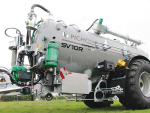
French manufacturer Pichon has expanded its SV slurry tanker range with the launch of two new models.
 increase font size
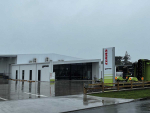
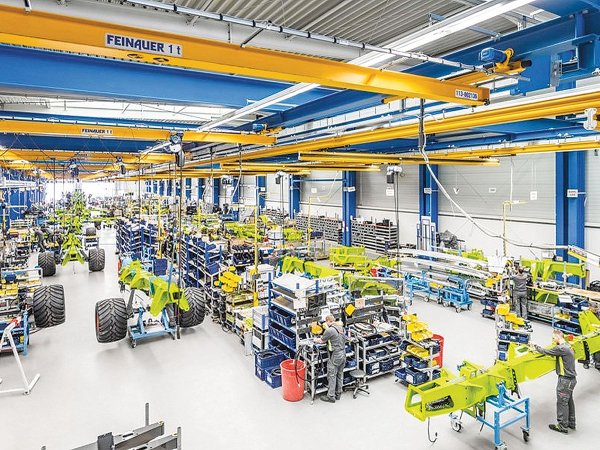 Claas manufacturing site in Germany.
Despite conditions in the farm machinery industry, which can only be described as difficult, the German-headquartered Claas Group has reported net sales of €5 billion for the 2024 financial, around €1.1 billion, or 19% lower than the corresponding period in 2023.
A company spokesperson says tight producer prices, elevated interest rates, extreme weather conditions and geopolitical tensions have all combined to elevate levels of uncertainty, meaning farmers and contractors have been hesitant in buying new tractors and machinery.
Despite the drop in sales, the business has successfully navigated a tough 2024 fiscal year, ending on September 30, delivering an operating profit before depreciation of €584 million compared to €769 million in 2023, alongside a net income of €253 million, against €347 million in the previous year.
“We have performed well in the highly competitive agricultural machinery market,” says CFO Henner Böttcher. “Despite a significant decline in sales, our strong earnings demonstrate our resilience. Today, it is paying off that we adapted our structures and processes early, amid a phase of high market dynamics and increasing geopolitical uncertainties.”
Claas chief executive officer Jan-Hendrik Mohr says that the business has remained on course and managed costs efficiently, while also proactively advancing the business.
“We have again increased our R&D expenditure to over €330 million and made targeted investments in future projects, new technologies and our production network to ensure sustainable growth and drive innovation.”
Targeted investments in the production network have seen modernisation work currently taking place at several Claas plants. At Bad Salgau (forage harvesting technology) in Germany, the infrastructure and production facilities have been updated to facilitate the expanded product portfolio, and expand production capacities. The Harsewinkel plant (combine harvesters, forage harvesters and Xerion tractors) will be modernised with more automated systems soon.
Looking ahead, Claas says that the current industry trend of reduced investments by farmers, most of whom have seen producer prices fall sharply, suggest that with no upward trend currently in sight, a moderate decline in sales for 2025 and a noticeable decline in income before taxes is expected.
French manufacturer Pichon has expanded its SV slurry tanker range with the launch of two new models.
Recently revealed, Krone’s new Series Six, BiG Pack Plus and Pro balers are designed to use standardised components, interfaces, and control concepts, including pick-up, knotter systems and user interfaces.
Consuming around six years and more than 35,000 hours of physical and digital testing, the new sixth-generation Valtra T Series is being described as the most significant new release in the company’s history.
Strautmann has introduced a new Hay Edition auger for its Verti-Mix feed mixer wagons, aimed at operators using rations with larger proportions of hay or other long-fibre materials.
At a time when many businesses are taking a cautious investment approach, Landpower continues to back its customers, having officially opened the doors to its new CLAAS Harvest Centre dealership in Feilding, marking a significant investment in the future of agriculture across the lower North Island.


National’s pledge to introduce 19 new national standards shows the party is serious about getting Wellington out of farming, Federated Farmers says.
The National Party’s policies to make it easier to grow fresh vegetables, secure reliable water and energy and simplify farm planning are practical changes that will give growers the confidence to invest, according to Horticulture New Zealand (HortNZ).
Fonterra Co-operative Group chief financial officer Andrew Murray has resigned to take up a role outside the dairy giant.
A major move is about to get underway to improve the quality and viability of dairy beef and cattle in NZ.
Veterinarians say changes to the code of welfare for dairy cattle provides a positive foundation for improved cattle welfare across the country.
Today, 15 October, is the International Day of Rural Women, which recognises rural women’s contribution to farming, communities and the environment.