While we are seeing more and more drones being used in New Zealand agriculture, we’re some way behind the US, where in places like the Midwest, the drones are certainly bigger than Texas.
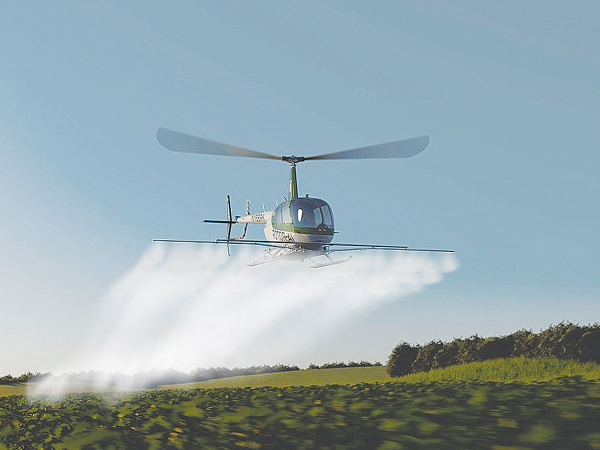
Equipped with 33ft (10m) booms and a 110gal (500l) capacity tank, the new Sprayhawk drone is being classed as the biggest agri-spray drone on the market.
Designed and developed by Rotor Technologies, based in New Hampshire, USA, the new unmanned aerial vehicle (UAV), The Sprayhawk, has been released to market with a hefty price tag of $1.47 million.
Based around a full-sized, well-known Robinson R44 helicopter, and fully controlled by a two-man ground crew, the autonomous machine has a capacity of 500 litres matched to 10 metre booms and a capability of covering up to 100ha/hour, with a maximum take-off weight of 1133kg.
Powered by a Lycoming six-cylinder aviation engine that can help deliver a working speed of over 125km/h and a flight time of 50 minutes between refuelling, the Sprayhawk can take off and land vertically, then use autonomous spray path and terrain following algorithms, as well as camera and LIDAR sensor technology for detecting wires and avoiding obstacles.
Impressively, the Sprayhawk matches the spray speed and capacity of manned aircraft, while offering significantly lower operating costs and improved safety.
The first Sprayhawk production aircraft is currently undergoing ground testing ahead of delivery to an agricultural partner in the US Midwest later this year. The first batch of production Sprayhawks will be delivered to early-access partners throughout spring 2025 and are expected to begin commercial spraying operations in the 2025 corn season.
Read More
For 2025, the first production run will be limited to 15 aircraft, with customers receiving a “ready-to-spray” pack which includes the Sprayhawk UAV, a 110-gallon tank and 33-foot spray boom system, a helicopter transport trailer, and a ground control station. Rotor offers training, maintenance plans and regulatory support to customers to ensure seamless deployment in any agricultural setting.
A company source commented, “Many of the agricultural drones on the market today are unlikely to stand the test of time. The need for larger and more reliable aircraft is clear and our aggressive introductory pricing for the 2025 model year is designed to speed up adoption.”