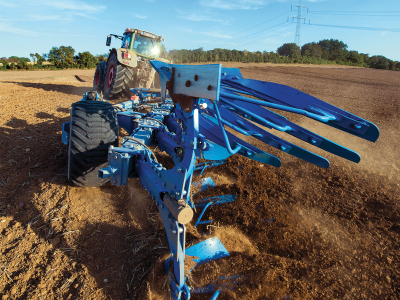
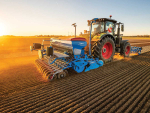
The German cultivation and seeding machinery maker Lemken is chasing more business in New Zealand.
It set up a subsidiary in mid 2018 to support its business in New Zealand and Australia. This is to give new dealers and customers in NZ a more direct link to the company, better technical support, a wider choice of tillage and seeding equipment and greater access to demonstration machines.
Lemken managing director and sales manager Robert Wensing says the move will be crucial to Lemken’s growth and will help develop the company’s partnerships with local dealers.
“We have begun establishing our new dealer network,” Wensing said. The first dealers are Te Aroha Tractors, Te Aroha, and Tractor Repairs and Spares (TRS) in Renwick, Seddon, Richmond and Hawke’s Bay.
“We expect to make further announcements regarding new dealers soon,” said Wensing.
New Lemken products will be launched in NZ later this year, Wensing said. These will include the Rubin 10-disc cultivator with larger discs than the Rubin 9 it replaces, a symmetrical disc layout and much improved overload protection.
Other releases will include the Diamant 16 plough and Solitair 23 front-mounted, air-seeder.
Lemken will be at site A15 at Fieldays.