Pāmu Silver Stabilizer Dairy Beef Genetics Open to Farmers
A major move is about to get underway to improve the quality and viability of dairy beef and cattle in NZ.
 increase font size
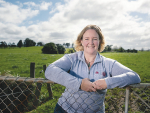
 Researchers Tommy Ley, far left, and Steve Breneger explain their project during the “speed dating” segment of an innovative event at Lincoln in which scientists presented updates into several research projects then had a series of face-to-face chats with journalists and others attending the event. Photo: Rural News Group.
State-owned farmer Pāmu has been able to reduce nitrogen input on its Waimakariri dairy farm while maintaining milk and grass production, by using fertigation – the application of fertiliser through irrigation.
The farm applied 42% less nitrogen last season compared with the previous season, while both grass and milk production remained comparable with past seasons, according to research by Lincoln University masters student Tommy Ley and Irrigation NZ’s technical manager Steve Breneger.
Pāmu installed the fertigation system on the farm in November 2018. Ley and Breneger are conducting a study into its effectiveness.
Grass production is similar and milk production up on previous years, said Breneger.
“The numbers are still stacking up that it’s actually being quite a positive move.”
The pair’s research is funded by the Sustainable Farming Futures Fund, with support from Ballance Agri-Nutrients, Fertigation Systems and Molloy Ag. They spoke at an innovative “The Secret’s In The Soil” presentation day at Lincoln, where nine different teams all presented updates into various research projects on the theme of irrigation’s effects on soil.
Ley and Breneger’s study aims to determine whether fertigation improves yield, nitrogen use efficiency and clover content in perennial ryegrass/white clover pastures, and whether it has lower nitrogen losses, compared with conventional fertiliser.
Their study included two experiments at two different sites using fixed amounts of fertiliser, as well as the farm-scale trial at Pāmu.
Ley said fertigation allowed farmers to apply fertiliser when it was needed, in a liquid form, and more frequently.
“It essentially means you can maintain lower constant nitrogen in the soil. Therefore you’re going to reduce the amount of total nitrogen losses you can possibly get from the pasture.”
Fertigation was commonly used in horticulture systems, but there was a lack of literature into its use in pasture, he said.
Breneger said that like all the big corporates, Pāmu was looking at how to achieve the reductions in N-leaching they have to make over the next few years.
Installing their fertigation system was more about tailoring it to be sustainable, not just increase yield or milk, he said.
The system chosen by Pāmu uses a 30,000 litre nurse tank near the shed, and then a 5,000l trailer which is towed to the base of each pivot as required.
Alternative systems might use pipelines to each pivot, which would be the high capital cost option, or individual fixed tanks at each pivot, which would mean frequent on-farm access by non-farm staff.
A major move is about to get underway to improve the quality and viability of dairy beef and cattle in NZ.
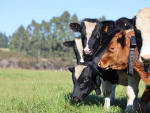
High country stations, mixed sheep and beef farms, Māori-owned farms, corporates and family operations are among the nine commercial farms taking part in the Livestock Innovation Farming Transformation programme, known as LIFT.
Pāmu has welcomed Taranaki student Paige Burston as its newest First Foundation Scholar, supporting her journey towards a career in agriculture and animal science.
State farmer Pāmu is bracing for a $30 million hit from soaring farm input costs this financial year.
Pāmu has released its FY26 Integrated Annual Report, reporting a Net Operating Profit of $113 million, more than double the $49 million recorded in FY25.


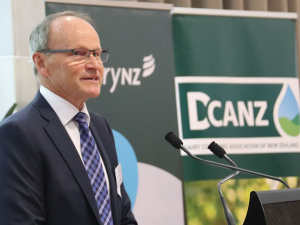
Dairy processors are ready to further boost New Zealand’s export earnings but want the incoming government to match their ambition with good policy.
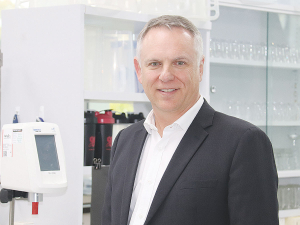
Massey University is best placed to solve the “problems” facing the dairy industry, says vice chancellor, Pierre Venter.
Synlait's longest serving employee – a man who joined the Canterbury-based milk processor even before it began processing milk – is now its newest executive.
A dairy industry leader believes eradicating the common and costly disease, Bovine Viral Diarrhoea (BVD) is within reach.
A farmgate milk price of $10/kgMS this season is firming up as milk powder prices soar and the New Zealand dollar weakens.
Federated Farmers has welcomed new rural policies released by ACT, saying they align closely with its own election priorities.