NZ Industry Craves Ag Graduates, Says Massey Professor
The industry is crying out for graduates with agricultural related degrees.
 increase font size
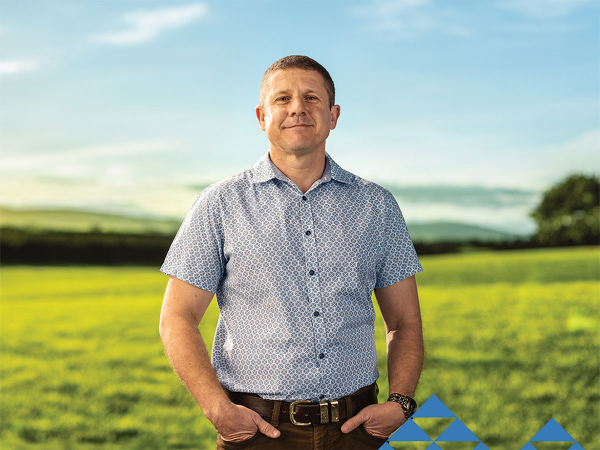 Professor Paul Kenyon, Massey University
With lamb prices at record highs, many farmers are considering breeding their ewe hoggets for the first time.
While this can increase the total number of lambs weaned and boost farm revenue, it doesn’t automatically mean greater profitability. Success depends on careful planning and management.
If you’re thinking about breeding hoggets, now is the time to have well-developed plan to maximise the chance
of pregnancy and healthy lambs.
Key considerations:
The most common challenge with hogget breeding is ensuring sufficient feed. Hoggets need to continue growing during pregnancy, gaining at least 130 grams per day to maximise lamb survival and maintain their suitability for rebreeding as two tooths.
Massey University modelling shows that, in many cases, farmers can adjust mature ewe numbers to maintain feed availability and still improve profitability by breeding hoggets. However, research also indicates that if mature ewe weaning percentages are below 150%, it may be better to focus on improving mature ewe performance before introducing hogget breeding.
Our research at Massey underscores the importance of evidence-based decision-making in agriculture. While high lamb prices are tempting, breeding ewe hoggets can be a profitable way to increase farm productivity but only if done carefully, with proper feed, animal health and overall farm management.
Professor Paul Kenyon is the Head of the School of Agriculture and Environment, and a Professor in Sheep Husbandry at Massey University.
The industry is crying out for graduates with agricultural related degrees.
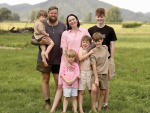
For Taupiri dairy farmers Logan and Sian Dawson, their involvement in the NZ Dairy Industry Awards has been a key catalyst in the growth of their business - the experience helping shape how they approach the farm ownership pathway they are pursuing today.
An LIC bull, Tronnoco AR Sadio-ET S3F, bred by Tony and Keri O'Connor of Tronnoco Farming Co Ltd near Timaru, has won the 2026 Mahoe Trophy.
In the past, a bull could sit comfortably in a breeding team for several years with little change, but today, that’s no longer the case.
Genetics plays a central role in helping farmers lift per-cow productivity over time.


Minister of Conservation Hon Tama Potaka has appointed Susan O'Regan as Chair of the Queen Elizabeth II National Trust (QEII) for a three-year term.
Red meat farmers are welcoming Labour’s plan to review the Emissions Trading Scheme and not to campaign on pricing agricultural emissions.
Where any worker in the kiwifruit industry is mistreated, we expect the authorities to take action.
Mid Canterbury Federated Farmers arable chair, Bevan Lill, said Beef + Lamb NZ data indicated that for the last six years, the average arable return on investment was about 0.8% while inflation ran about 4% - so the average arable farm was going backwards at about 3% a year.
Seed and grain companies share the concerns of arable farmers about the viability of their sector, says Seed and Grain New Zealand chief executive Dr Sarah Clark.
The New Zealand Institute of Forestry (NZIF) says unnecessary changes to New Zealand’s Emissions Trading Scheme (NZ ETS) will seriously erode investor confidence and result in significant reductions in forest planting rates.