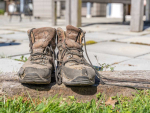
#BootsOfShame: Safer Farms Urges Farmers to Check Footwear
Safer Farms is urging farmers to make sure everyone working on farm has safe, suitable footwear for the job.
 increase font size
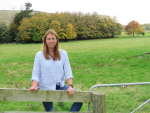
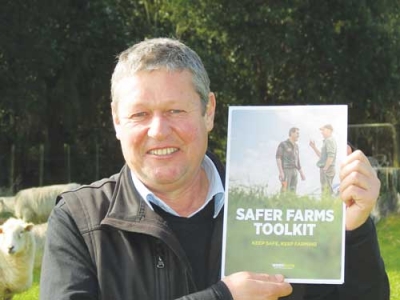 WorkSafe NZ’s Nick Barclay with the Safer Farms.
Nick Barclay, from WorkSafe NZ says while much media focus is on quads, they are not the only problem.
Kicking by animals causes many farmer claims against ACC. Safe dealing with stock and having good yards is important, Barclay says. “So is telling staff about the inherent dangers of dealing with stock”.
“There is an emphasis on quads, but [the key is] choosing the right vehicle for the job,” Barclay told Rural News. “For example, is towing the spray equipment suitably done by a quad? How about improving the conditions of tracks? Another issue is PTO’s on tractors.”
Barclay says safety polices can be explained verbally to staff, but writing them up so they are easily accessible to staff is best. A “ring binder of policies” will often just gather dust on a shelf.
“Far better to have a whiteboard in the shed where managers and staff can all contribute information; then it becomes a living document.”
This ‘living register’ concept can warn about damaged pipes or damaged equipment. It may also display a photograph of a problem.
A big part of Barclay’s job is talking to farmers to break down myths about health and safety, especially about WorkSafe. It aims to work with farmers to achieve sustainable changes in safety. Barclay enjoys working with farmers, putting them at ease about his role and blowing away the myth about prosecution.
The worst thing for farmers is getting a no-helmet warning notice and in the event of an accident a WorkSafe investigation team may be called in. But few incidents end up in court.
“The only paperwork they need is an accident register; best practice is to write down as much as possible. I advocate using a diary, perhaps just one sentence, but all this builds up a picture of what is happening on the farm.”
Barclay, who has spent all his working life in the primary sector, says all the farmers he meets want to stay safe. They may look crusty and hard, but underneath they don’t want accidents on their properties and are keen to do better.
Safer Farms is urging farmers to make sure everyone working on farm has safe, suitable footwear for the job.
Improving health and safety is about incremental gain rather than a sudden decision, says Leeston farmer and Federated Farmers health and safety spokesman David Birkett.
A huge reduction in ACC claims from on-farm accidents over the last five years is due to thousands of small, practical decisions being made in sheds, yards, paddocks and around kitchen tables across the country, says Safer Farms ambassador Lindy Nelson.
Lindy Nelson, Safety Farms ambassador, has been named the winner of the Leadership category at the 2026 New Zealand Workplace Health and Safety Awards in Auckland.
A safety push across New Zealand has revealed significant gaps in hazardous substances management, farm vehicles, tractors, quad bikes and side-by-sides.


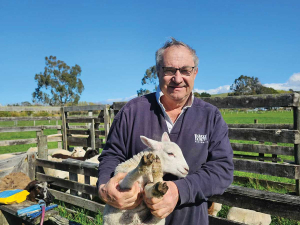
Decades piloting planes has ensured vet and farmer David Hayes is focused on safety. So, after a serious accident while welding on farm, he is sharing his experience so others can learn from it.
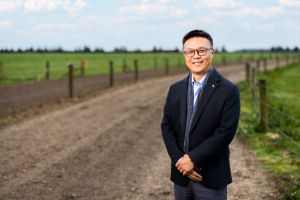
Canterbury milk processor, Synlait Milk has confirmed Leon Fung as its chief executive officer.
OPINION: Making it easier to collect rainwater and use it to grow crops and livestock is a no brainer.
As part of its Election 2026 coverage, Rural News asked political parties how they would help pull the arable sector out of the doldrums. Here's what they said:
Farmers are being encouraged to rethink how they manage waste on farm with the launch of ruralwastesorted.co.nz, a new website bringing together practical tips, real farmer experiences and resources.
New Zealand Winegrowers (NZW) is celebrating the India-New Zealand Free Trade Agreement (FTA) coming into force today, bringing New Zealand wine improved access to one of the world’s fastest-growing economies.