McRae Wins Southern South Island B+LNZ Director Vote
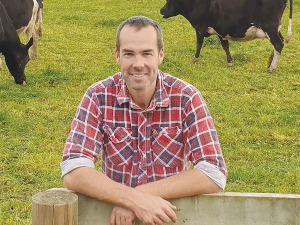
Matt McRae, a farmer from Mokoreta in Southland who runs a sheep, beef and dairy support business alongside a sheep stud, has been elected to the Beef +Lamb NZ Board as a farmer director.
 increase font size
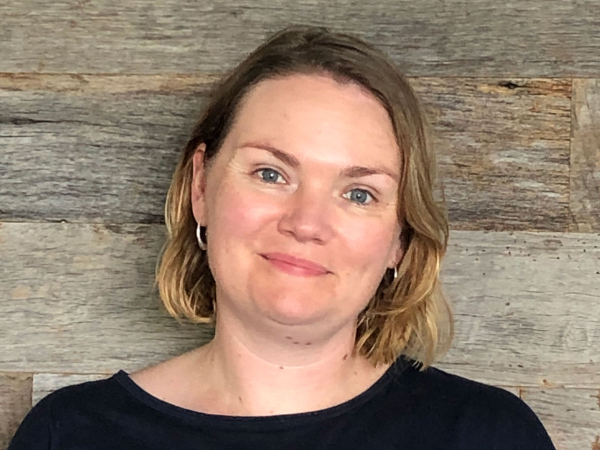 Suzi Keeling says it is critical that research keeps evolving.
One of the ways Beef+Lamb New Zealand (B+LNZ) is working to support farmers in addressing the challenges they face is through our extensive research and development (R&D) programmes.
It’s critical that research keeps evolving, as new challenges arise, such as the emergence of new diseases or environmental pressures. Our approach to R&D is multi-pronged. Alongside profitability and productivity, we also consider the human elements of farming, the social issues and drivers, environmental challenges, animal health and welfare. R&D underpins all of this.
Over the last few years, we have been undertaking major work into facial eczema (FE) and gastrointestinal parasites – applying new science to issues which have been consistent longstanding problems for farmers. As part of building new knowledge of FE, we have just launched a groundbreaking piece of research where we aim to work with 350 farmers – 22 from every region of the country – who will collect samples of sheep poo for us from October- May for three years.
Scientific analysis of this will help fill gaps in our understanding of FE’s prevalence and whether a warming climate will have an effect on its distribution. We are currently recruiting farmers for this programme, regardless of whether the farm has experienced FE or not, and are keen to hear from any who would like to be involved. Farmers can express their interest in participating in the facial eczema research study by registering their details at https://beeflambnz.com/FEstudy.
Our parasite research is focused on supporting farmers to make the best decisions about treating animals for parasites and is informed by the Wormwise programme.
We have a test group of farmers in the Wairarapa, who are working with a facilitator to learn about the ‘101’ of parasite treatment, while also sharing their own approaches and systems. There are about 11 farmers in the group and every one of them has made changes to their systems because of this work. We are looking to expand this approach around the country. We have also initiated work to develop a new approach to identify gastrointestinal parasite species.
The Hill Country Futures programme, finishing this year, focused on future proofing the profitability, sustainability and wellbeing of New Zealand hill country, including a very significant amount of research into forages (plants suitable for grazing animals).
We are also working in partnership with others for a Northland-focused programme on resilient forages.
In terms of New Zealand geography, Northland is where the impacts of climate change are expected before the rest of the country.
Forages may not readily adapt to the climate that is coming, so it’s about how to give farmers the right tools and solutions to be best prepared to adapt and still be in a position to feed their animals.
All of these areas of research are expected to have a major positive impact on farmers’ productivity and profitability and demonstrate the value of how we invest in farmers’ futures.
Dr Suzi Keeling is Beef + Lamb New Zealand sector science strategy manager
Matt McRae, a farmer from Mokoreta in Southland who runs a sheep, beef and dairy support business alongside a sheep stud, has been elected to the Beef +Lamb NZ Board as a farmer director.
The red meat sector is poised for a strong rebound this season, with export receipts forecast to top $10 billion and farm profitability to almost double.
Progeny testing at Pāmu’s Kepler farm in Southland as part of Beef + Lamb New Zealand’s Informing New Zealand Beef programme is showing that the benefits of hybrid vigour could have a massive impact on the future of beef breeding.
Beef + Lamb New Zealand (B+LNZ) has reiterated calls for New Zealand to revise its methane targets after the Government's "disappointing" announcement of its revised Nationally Determined Contribution (NDC).
Beef + Lamb New Zealand (B+LNZ) is having another crack at increasing the fees of its chair and board members.

DairyNZ deputy chair Cameron Henderson has been re-appointed unopposed for another term.
Farms across the upper North Island are trialling different pasture mixes as part of a research programme that aims to build greater resilience into farming systems.
Election years are always a concerning time for farmers, according to DairyNZ chair Tracy Brown.
The Ballance Farm Environment Awards are coming to the West Coast of the South Island.
Most dairy regions around the country have had a pretty good season so far says Tracy Brown.