McRae Wins Southern South Island B+LNZ Director Vote
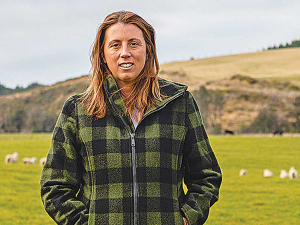
Matt McRae, a farmer from Mokoreta in Southland who runs a sheep, beef and dairy support business alongside a sheep stud, has been elected to the Beef +Lamb NZ Board as a farmer director.




 increase font size
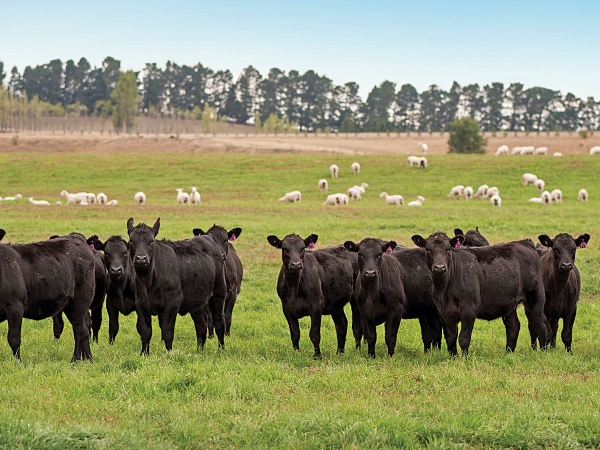 Currently, the chair receives $76,220 while each director pockets $38,110.
Beef + Lamb New Zealand (B+LNZ) is having another crack at increasing the fees of its chair and board members.
Last year B+LNZ levy paying farmers rejected a proposal by the Director Independent Remuneration Committee (DIRC) to lift the chair and director fees by 9% and 11% respectively. At the annual meeting in March 2024, 976 farmers (65.7%) voted against the proposal.
Currently, the chair receives $76,220 while each director pockets $38,110. There’s also a pool of $20,400 set aside for additional work/roles carried out by directors.
This year, the DIRC recommended a 6% rise in the total pool for director fees - from $401,500 to $424,000. This would have raised the chair's fees by 18% to $90,000, a 3% rise in director fee to $39,250 and no change to the discretionary spend pool. However, the B+LNZ board is asking farmers to approve a 4% rise to the total pool - to $417,500. This would represent a fee increase for the chair to $83,320 and for each director to $39,250.
Voting on the B+LNZ remit is underway, and the result will be announced at B+LNZ’s annual meeting in Rotorua on March 26. There are no farmer remits this year. There’s an election for the Western North Island board seat - Scott Gower and Andrew Stewart are standing for election.
In their report to farmers, DIRC members – chair Murray Donald and members Sarah von Dadelszen and Simon Davies, note that in their deliberations, they had considered other similar organisations such as DairyNZ and Federated Farmers.
The DIRC noted that there are two elements to a B+LNZ director role - governance and representation.
Representation includes an expectation by farmers, reinforced at the 2023 annual meeting, of elected directors increasing their visibility with farmers in their communities including the development of annual woolshed meetings, the DIRC says.
“The time commitment for governance and representation continues to be significant and ranges from around 900 hours for the chair and 500-600 hours across farmer directors. Board meeting preparation, travel and attendance, including representation roles are beyond a director meeting time.”
It says they considered the complexity and risk involved in the role.
“While the commercial risks are not high, the complexity of issues addressed in an industry good role requires high calibre of directors and the recognition of personal reputational risks within the farming community.
“When considering benchmarks DIRC carefully considered the director/ governance remuneration of DairyNZ and Federated Farmers as both these organisations have similar representation requirements.”
It noted that the 2023 benchmarking identified that current B+LNZ chair and directors’ remuneration are at the low end of both remuneration benchmarks, and even more so when considered against time commitments.
“It is difficult to benchmark with commercial organisations given the large component of industry good that are included in a B+LNZ director role.
“The chair role is significantly greater than other directors and that this has been taken into account.”
Matt McRae, a farmer from Mokoreta in Southland who runs a sheep, beef and dairy support business alongside a sheep stud, has been elected to the Beef +Lamb NZ Board as a farmer director.
The red meat sector is poised for a strong rebound this season, with export receipts forecast to top $10 billion and farm profitability to almost double.
Progeny testing at Pāmu’s Kepler farm in Southland as part of Beef + Lamb New Zealand’s Informing New Zealand Beef programme is showing that the benefits of hybrid vigour could have a massive impact on the future of beef breeding.
Beef + Lamb New Zealand (B+LNZ) has reiterated calls for New Zealand to revise its methane targets after the Government's "disappointing" announcement of its revised Nationally Determined Contribution (NDC).
Next month, the Beef Breeder Forum is set to give farmers an opportunity to hear about the latest developments in the beef industry.


Minister of Conservation Hon Tama Potaka has appointed Susan O'Regan as Chair of the Queen Elizabeth II National Trust (QEII) for a three-year term.
Red meat farmers are welcoming Labour’s plan to review the Emissions Trading Scheme and not to campaign on pricing agricultural emissions.
Where any worker in the kiwifruit industry is mistreated, we expect the authorities to take action.
Mid Canterbury Federated Farmers arable chair, Bevan Lill, said Beef + Lamb NZ data indicated that for the last six years, the average arable return on investment was about 0.8% while inflation ran about 4% - so the average arable farm was going backwards at about 3% a year.
Seed and grain companies share the concerns of arable farmers about the viability of their sector, says Seed and Grain New Zealand chief executive Dr Sarah Clark.
The New Zealand Institute of Forestry (NZIF) says unnecessary changes to New Zealand’s Emissions Trading Scheme (NZ ETS) will seriously erode investor confidence and result in significant reductions in forest planting rates.


OPINION: The same mainstream media muppets that brought you Jacindamania in 2017 have been flat out pimping for the Opportunities…
OPINION: Your old mate reckons the atrocious way farmers in the UK are treated by their lords and masters in…




