Beef + Lamb NZ's Lambing Kit Checklist for a Tough Season
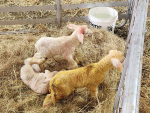
With lambing underway in many regions, Beef + Lamb New Zealand is encouraging farmers to put together a wellequipped lambing kit to help minimise lamb losses, particularly in bad weather.
 increase font size
 Greg Mirams.
Technology developed in New Zealand could save sheepmeat suppliers to a big UK supermarket chain $19 million annually, says the developer.
Techion Group, in Dunedin, says its combining an internet connected device and data management with veterinary expertise has shown to better manage parasites and drenching programmes.
This is the result of a three year R&D project funded by the big UK supermarket chain Sainbury’s and overseen by its lamb development group.
Sainbury’s head of livestock, Gavin Hodgson, says its development group farmers in NZ and UK were involved.
“The R&D has helped our farmers to diagnose and treat flocks appropriately. It has identified a number of farms where treatments weren’t working and we have been able to help farmers improve how they manage parasites.”
The technology enables farmers to send faecal egg counts to a laboratory and quickly get a result to help them decide how to treat their sheep.
Greg Mirams, managing director of Techion Group, says “using technology to solve these problems and achieve these goals makes sense”.
“Sainsbury’s has helped validate our system which allows farmers to test for worms reliably onfarm themselves, saving time and helping them treat flocks appropriately.”
The technology (FECPAKG2) counts worm eggs in faecal samples, helping farmers to more sustainably target their use of drenching, i.e. using it only when they need to.
Says Hodgson, “It’s a more sustainable way of doing things, and we’ve seen massive successes: in some cases farmers have been able to reduce medication without compromising animal performance by as much as 50% in lambs and 80% in ewes.”
The work saw about 100 FECPAKG2 units used by farmers in about 1000 tests on 300,000 lambs.
The results detected a parasite problem the farmer was unaware of, and the data determined the choice of effective drench. The result was an increase in lamb growth by up to 50% -- heavier carcase weights, produced in less time, increasing returns on average by $12 - $15 per lamb.
The study showed 37% of NZ farmers involved were using ineffective drenches due to previously undetected resistance. This cost each farm about $74,974 per year in lost productivity, or $19 million in Sainsbury’s total lamb supply chain.
Says Hodgson, “By working with Techion Group we’ve been able to highlight drench resistance, keep our farmers informed of the most effective treatments and increase returns”.
“Farmers can safeguard animal welfare and meet the expectations of consumers on drug use in animal production.
“They can reduce development of drench resistance by using less, better targeted drenches, improve farm profitability and increase flock efficiency.”
With lambing underway in many regions, Beef + Lamb New Zealand is encouraging farmers to put together a wellequipped lambing kit to help minimise lamb losses, particularly in bad weather.
Will a stronger, more coordinated voice help rebuild confidence and improve returns in the wool sector?
The vineyards at Pyramid Farm in Marlborough’s Avon Valley have never been run of the mill, with plantings that follow the natural contours of the land, 250 metres above sea level.
Sheep and cattle numbers continue to decline, and this year's drought hasn't helped, according to Beef + Lamb New Zealand (B+LNZ).
High quality feed, reduced stocking rates and shelter will all help enhance triplet lamb survival and ultimately benefit the bottom line.


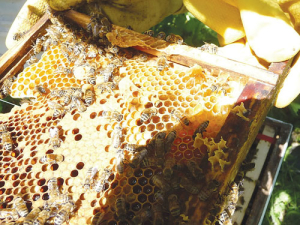
New Plymouth-based Manuka honey exporter Egmont Honey has completed its acquisition of Taihape beekeeping business Tweeddale's Honey, with settlement finalised on Friday, 18 September.

Westpac NZ is calling on farmers and growers to start preparing now for the possibility of a dry summer, as likely El Niño conditions raise the risk of drought across parts of the country.
Fonterra Co-operative Group has confirmed the independently assessed candidates standing for election to its board in 2026.
Fonterra has revised its Farmgate Milk Price forecast for the 2026/27 season, lifting the midpoint and narrowing the range on the back of improving global dairy commodity prices.
New Zealand's citrus growers were challenged to build their future on the value embedded in their fruit rather than the volume they produce, at Citrus New Zealand's annual gathering in Gisborne on 17 September.
Leading John Deere technicians and apprentices from New Zealand and Australians were recognised at the recent sixth annual JD Technician of the Year Awards, held in Brisbane.