
Why Now Is the Time to Plan Farm Succession, Findex Says
OPINION: Succession and long-term planning are perennial topics because it is perpetually sidelined on busy farms.
 increase font size
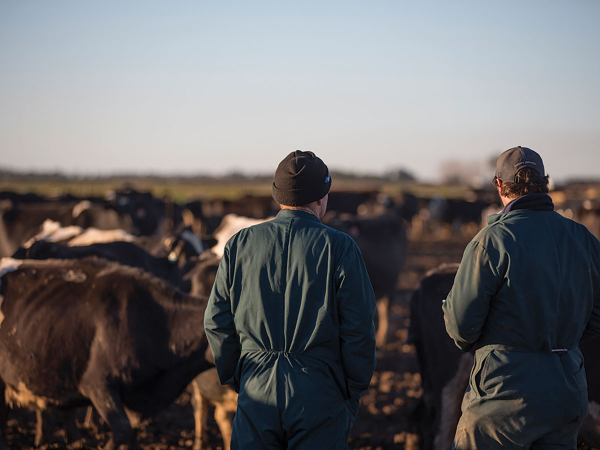 Work out what you want to do post farm and where you want to do it and work back from that.
OPINION: After a very good farming year and a few bucks back in the tin, farmers will be remiss not to consider the next steps in life and what that means for their farming business. Sheep and beef farmers are no exception.
The smart guys have clear plans that include what's realistic in making farm succession decisions. The rest massage the aching hips, complain about the dry weather (or too much rain) while denying any issues exist and soldier on.
The lack of direction in farm succession and incumbent retirement staggers me. The 'oldest son gets everything days' should be a thing of the past but there are still those who would follow that path rather than plan an exit and have the tough conversations with their partner, family and trusted professionals. The worst examples are those who give this son a go and don't set anything up.
How about this as a scenario?
A local farmer in his fifties has worked his whole life for the family on the farfm after dad had passed. One day the call came - 'the block's on the market'. Mum needs a top up of cash. The reality of this is the home and job of one sibling is sold while the rest of the family have had a lifetime of employment, their own homes and plenty of time to set up. To them it is eventually a cash injection. To him and his family it is the end of a job with the house also sold and future employment prospects looking slim to non-existent.
What about this one?
A sibling works his life for the family on the farm and has verbal agreement to run it in his own account and be left it in the will. Parents pass and suddenly there is a challenge to that outcome. He and his family have had use of the farm at no cost for some time. A successful case is mounted by the other sibling that it is now their turn. Same net result as the first scenario.
The old adage 'fair is not equal and equal is not fair' successfully challenged. Hypothetical examples maybe, but more probable in 2025 that they were 20 years ago. As land values have accelerated (and we are now talking millions, not hundreds of thousands), the appetite to contest wills and win has grown.
What do the succession professionals do? You can't outsource the decision and the more meetings they facilitate the more they get paid.
 |
|---|
|
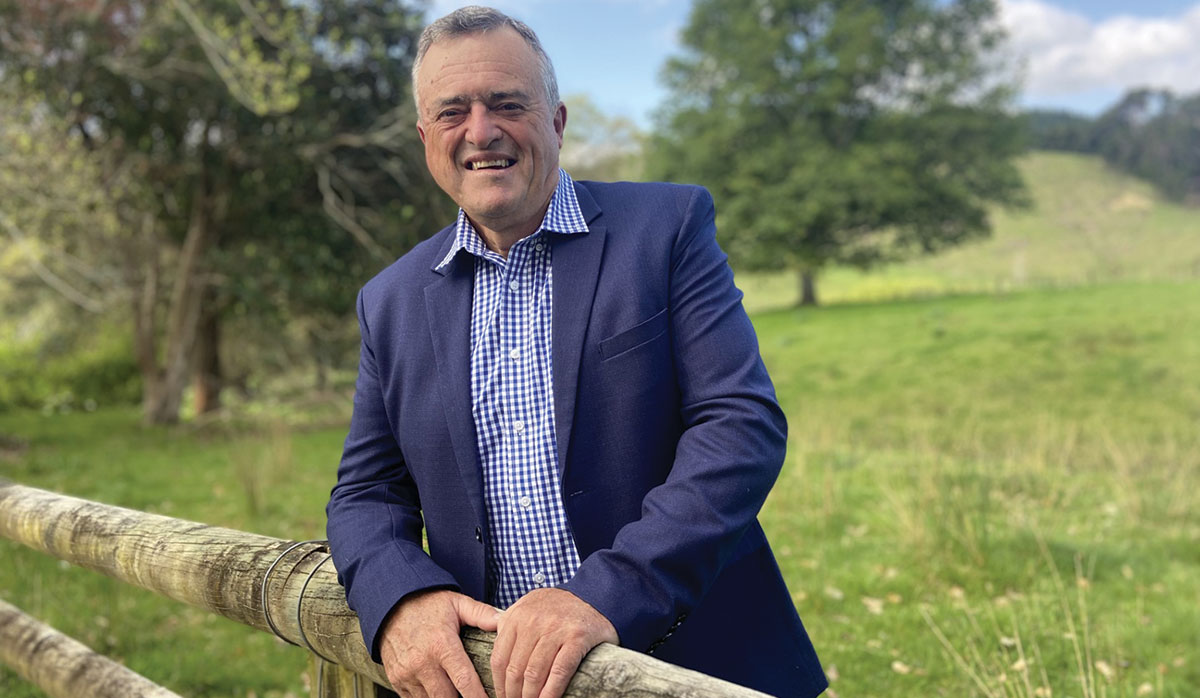
Fenton Wilson |
Now I reckon farmers are some of the toughest business people in the country. They battle rain, sunshine, market conditions, council rules, buggered joints, sheep dogs with little to no hearing and pestilence on a daily basis with gay abandonment. Yet to have the conversation with family on the future is really hard.
Time to consider a change to this scenario.
Work out what you want to do post farm and where you want to do it and work back from that. Then have the family chat before you engage anyone, but still get the professional help if you need it. Start with the bank and the accountant.
Guess what, our children are pretty bloody smart! The answers might be right in front of you but if the conversation is avoided you will never know. A business professional I work with remarked the other day that farmers are hell bent on setting things up for the kids. But if that generation are good enough to take the business forward, they will build their own success in spite of our best intentions. Retirement is a secondary thought. You don't really see this thinking in any other form of business.
Food for thought...
Fenton Wilson is a farmer and professional director who is proudly rural.
OPINION: Succession and long-term planning are perennial topics because it is perpetually sidelined on busy farms.

OPINION: One of the privileges of judging the Ballance Farm Environment Awards for more than a decade is the opportunity to spend time on farms and orchards across New Zealand and hear from people constantly looking for ways to improve their businesses.
West Otago dairy farmer Luke Kane has been awarded the 2026 Rabobank Dr John Morris Business Development Prize.
Federated Farmers president Colin Hurst and his family raised a glass of milk last week to toast the start of a new addition to their farming operation at Makihihi, south of Timaru.
Halter has announced the six winners of its 2026 One Year Free competition, marking the biggest year yet for the annual award and the first time the company has expanded the field beyond its usual line-up.


LIC shareholders have elected a new North Island representative to the co-operative's Board, along with five representatives to its Shareholder Reference Group (SRG), following the company's Annual Meeting held in Invercargill.
Farmers across parts of Southland and South Otago are continuing to deal with difficult conditions after a prolonged run of wet weather, with pressure building around feed supply, stock management, pasture damage, farm infrastructure and everyday workloads.
Federated Farmers says it welcomes Labour's commitment to reviewing the Sharemilking Agreements Act, calling on other major parties to do the same.
For Canterbury dairy farmers Sian Meijer and Rick Wobben, wearable technology has become one of their most valuable on-farm tools - helping manage 1850 cows across an expansive, high-performing dairy operation while improving efficiency, mating outcomes and day-to-day decision making.
Fonterra has unveiled its annual results for the 2026 financial year, posting $27 billion in revenue and close to $20 billion returned to New Zealand farmer owners and unit holders.
The first major update to the Dairy Cattle Code of Welfare in more than a decade has been released, marking what DairyNZ describes as an important step in ensuring animal welfare standards continue to evolve alongside scientific evidence and on-farm realities.




