OPINION: DairyNZ is pleased by progress to improve winter grazing regulations.
However, we want further changes so new rules are fair, practical and workable on-farm.
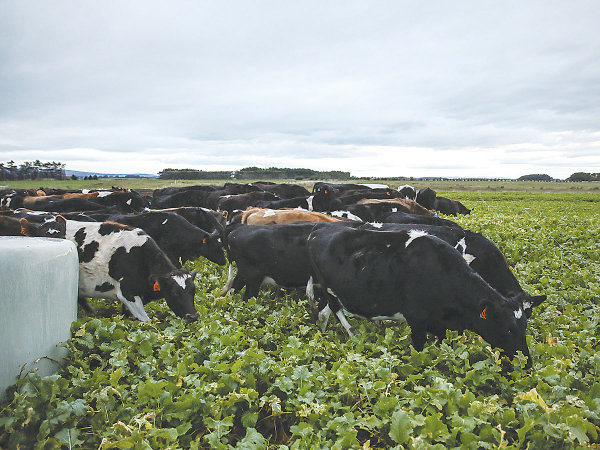
Positive changes have been made to winter grazing regulations, including removing the deadline for spring resowing after grazing and changes to how slopes are assessed.
DairyNZ has outlined further suggested changes in its recent submission on the Government's new winter grazing rules. DairyNZ's submission can be viewed at: www.dairynz.co.nz/submissions.
We support farmers being able to carry out winter grazing on a larger area than proposed, without needing a consent. A larger area enables farmers to have more cropping options and better manage their environmental impact.
DairyNZ wants a consent requirement to only apply if over 100 hectares is used for winter grazing, or 10% of the farm, is used for winter grazing.
DairyNZ would also like to see pugging requirements removed.
Farmers are focused on caring for their cows and shifting them out of muddy areas, for their welfare. We fully support careful management of critical source areas. Farmers are identifying where water and nutrients can pool and avoid cultivating or grazing them to protect the environment.
DairyNZ has been working together with Federated Farmers, Beef + Lamb New Zealand and southern farmers since last year to recommend changes to winter grazing regulations. Our goal is to make them more practical and to make farming practice improvements. Sector partners also worked together during the latest submission process.
We are pleased the Government has adopted changes to winter grazing rules recommended by the primary sector. We support delaying the introduction of the new regulations until November 2022.
In future, farmers will use freshwater farm plans to manage wintering practices, and the plans will be phased in by 2025.
However, DairyNZ remains concerned that the new Certified Freshwater Farm Plans system will not be available by 1 November 2022.
We agree with the Southland Advisory Group's earlier recommendation that farmers use intensive winter grazing modules as an alternative, interim pathway, until Freshwater Farm Plans are available.
During the past winter, farmers have made significant improvements in winter grazing practices, with both councils and the Government commeding their progress.
We are now focusing on getting future winter grazing rules right so they are workable long-term for farmers and deliver the continued environmental improvements we all want to see.
DairyNZ will continue working on farmers' behalf to advocate for sensible and fair rules and provide farmers with information and support once the Government confirms the final winter grazing regulations.
Dr David Burger, DairyNZ's strategy and investment leader - responsible dairy.