NZ Red Meat Exports Hit $867m in August, Up 23%
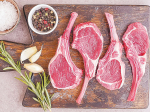
New Zealand's red meat and fifth-quarter exports reached $867 million in August, up 23% on the same month last year, as stronger returns lifted earnings across all major markets.
 increase font size
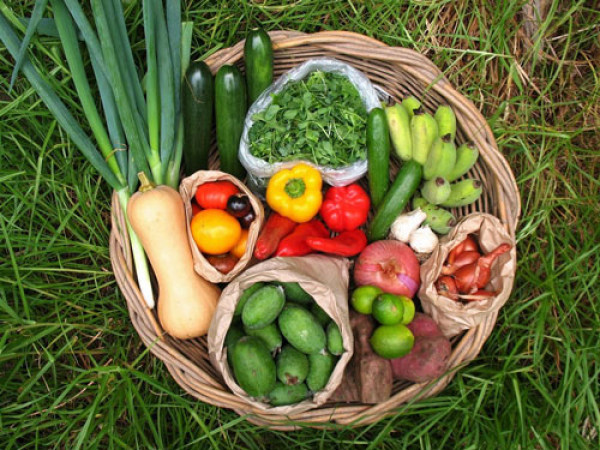 The world still needs to eat.
Amidst the coronavirus upheaval, one thing is certain – agriculture will see our economy through.
The world still needs to eat and trade channels remain open. The bedrock of New Zealand’s economy is still agriculture and our main export is of course food.
Farms and orchards will carry on, and with our biggest market China turning a corner with its COVID-19 situation, demand for our produce will remain strong.
In fact, even when the outbreak was peaking in China, prices didn’t suffer as much as expected. In particular, dairy prices held firm. Forward demand for meat is also strong, buoyed by the impact of China’s swine fever outbreak.
The fundamentals of food supply and demand remain strong and while there’s a case for reducing our dependence on Asian markets, we’ll be glad of our trade relationship with China during the coming months.
To get us through, farmers will need our support. They’ll need good, trustworthy information. They’ll need the usual inputs from the service and supply parts of the industry. They’ll need some breathing space from political moves that might restrict their ability to operate efficiently.
And they’ll need to know we’ve all got their backs and are grateful for their, often unheralded, contribution during these unprecedented times.
It is reassuring to know farming will get through in relatively good shape. Other parts of the economy will not be so lucky: Travel bans will be devastating for businesses and workers in tourism and the Government’s business support package will be crucial. Job losses, however, are already happening in that industry.
Agriculture is a huge job generator and the Government should be looking to help redundant workers from the tourism industry into the seasonal and permanent jobs in the primary sector. With restrictions on immigration, demand for labour will be high.
There are still some roadblocks in farmers’ way.
Dry conditions remain a problem in many areas. More government assistance will help tide over the hardest hit until the rain returns. Banks need to do their bit as well and loosen their lending restrictions, while the Government needs to change its tone towards farmers.
The country is going to need farmers and the primary sector more than ever.
New Zealand's red meat and fifth-quarter exports reached $867 million in August, up 23% on the same month last year, as stronger returns lifted earnings across all major markets.

Meat Industry Association data, released alongside the Red Meat Sector conference in Wellington, shows export value climbing across the US, China, UK and Canada.
OPINION: The stats speak for themselves.
New Zealand exports to the European Union have surged by $3 billion in two years under the New Zealand-European Union Free Trade Agreement.
A Hawke's Bay apple orchardist supports the Government's objective of doubling exports but says this won't happen in the horticulture sector unless there's a change in the process for bringing new plant material into the country.


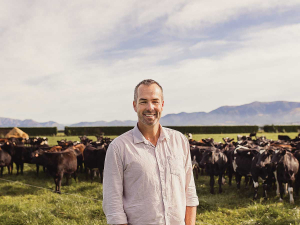
For Canterbury dairy farmer Cameron Henderson, supporting Meet the Need comes down to a simple question: how can the success of New Zealand farming benefit more than just those within the industry?
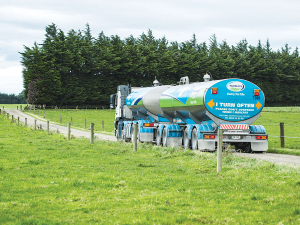
Fonterra board members are in line for a pay rise of around 3%.
Dairy processors are ready to further boost New Zealand’s export earnings but want the incoming government to match their ambition with good policy.
Massey University is best placed to solve the “problems” facing the dairy industry, says vice chancellor, Pierre Venter.
Synlait's longest serving employee – a man who joined the Canterbury-based milk processor even before it began processing milk – is now its newest executive.
A dairy industry leader believes eradicating the common and costly disease, Bovine Viral Diarrhoea (BVD) is within reach.