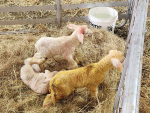
Beef + Lamb NZ's Lambing Kit Checklist for a Tough Season
With lambing underway in many regions, Beef + Lamb New Zealand is encouraging farmers to put together a wellequipped lambing kit to help minimise lamb losses, particularly in bad weather.
 increase font size
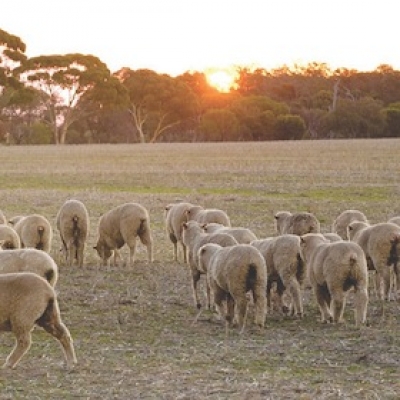 Aussie sheep farmers look to take advantage of NZ’s tight production.
Australian sheep farmers are set to benefit from strong global demand for lamb thanks to tighter supplies from New Zealand.
Lower production looks set to play off against strong demand, says Meat & Livestock Australia (MLA) in its 2015 sheep industry projections.
After two years of record slaughter a decline in production was expected in 2015, though a recovery was anticipated from next year.
MLA manager of market information Ben Thomas expects annual lamb slaughter to dip below 20 million briefly, before picking up again next year and continuing a long term slaughter trend.
“We’re expecting the sheep flock to stabilise at 71 million this year before slowly building up by 2019 as more producers look to go into prime lamb production. Prices held up well last year for mutton and lamb even with intermittent drought and such high slaughter. The major challenges this year will be the decline of supply against continued strong demand from export markets, forecast to take 55.5% of production.
“Mutton fundamentals are also positive because, after two high years of sheep turnoff, the demand for breeding ewes looks solid provided feed and water are sufficient for flock rebuilding.”
The international trade will likely remain buoyant because of tighter New Zealand supplies and a weaker Australian dollar.
Australian lamb exports are likely to contract 15% to 202,000 tonnes this year, then rise gradually to a record 250,000 tonnes in 2019.
Australian mutton exports are expected to decline 27% year-on-year to 136,000 tonnes, after their highest volume in 20 years. A recovery in production by the end of the projection period should give rise to more exports.
Thomas says despite lamb’s niche in the Australian market, domestic supply will stay stretched because, globally, more consumers are wealthier, and market access is easier, particularly in China.
“Demand for lamb from the US, Middle East and China looks bright for our exports, while the smaller markets of Japan, South East Asia and the EU will remain important.”
Live sheep exports are forecast to reach 2.4 million, up 5% from 2014, assuming the trade keeps on. Kuwait, Qatar and Jordan should take 70% of produce.
With lambing underway in many regions, Beef + Lamb New Zealand is encouraging farmers to put together a wellequipped lambing kit to help minimise lamb losses, particularly in bad weather.
Will a stronger, more coordinated voice help rebuild confidence and improve returns in the wool sector?
OPINION: Your old mate hears an international incident is threatening to blow up the long-standing Anzac alliance as Kiwis and Aussies argue over who wants new Australian resident and former NZ Prime Minister Jacinda Ardern.
It’s official, lamb will take centre stage on Kiwi Christmas tables this year.
OPINION: Your old mate hears that at a recent China Business Summit, PM Christopher Luxon delivered a none-too-subtle "could try harder" report card on the red meat industry regarding its exports to China - particularly when compared to Australia.


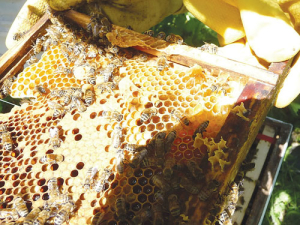
New Plymouth-based Manuka honey exporter Egmont Honey has completed its acquisition of Taihape beekeeping business Tweeddale's Honey, with settlement finalised on Friday, 18 September.

Westpac NZ is calling on farmers and growers to start preparing now for the possibility of a dry summer, as likely El Niño conditions raise the risk of drought across parts of the country.
Fonterra Co-operative Group has confirmed the independently assessed candidates standing for election to its board in 2026.
Fonterra has revised its Farmgate Milk Price forecast for the 2026/27 season, lifting the midpoint and narrowing the range on the back of improving global dairy commodity prices.
New Zealand's citrus growers were challenged to build their future on the value embedded in their fruit rather than the volume they produce, at Citrus New Zealand's annual gathering in Gisborne on 17 September.
Leading John Deere technicians and apprentices from New Zealand and Australians were recognised at the recent sixth annual JD Technician of the Year Awards, held in Brisbane.